Online tutorials great for theory but hands-on classes build turning skills
Martin Saban-Smith argued online videos and communities complement in-person tuition; the distinction matters for technique, safety, and avoiding bad habits. Book hands-on tuition before habits ossify.
On January 15, 2026, Martin Saban-Smith laid out a clear case for mixing online learning with real-world tuition for woodturners, arguing that each format serves distinct and complementary roles in skill development. The post underscored what you can reliably learn from screens and what still requires someone beside you at the lathe.
Saban-Smith praised online resources for delivering crisp technique demonstrations, theory on proportion and design, troubleshooting walkthroughs, and broad community inspiration. Video tutorials and YouTube channels make it easy to absorb different cuts, grinds and finishing approaches; they let you pause, rewatch and compare bowl profiles and spindle proportions at your own pace. For turners chasing new shapes or studying design principles, those resources expand your repertoire without travel time.
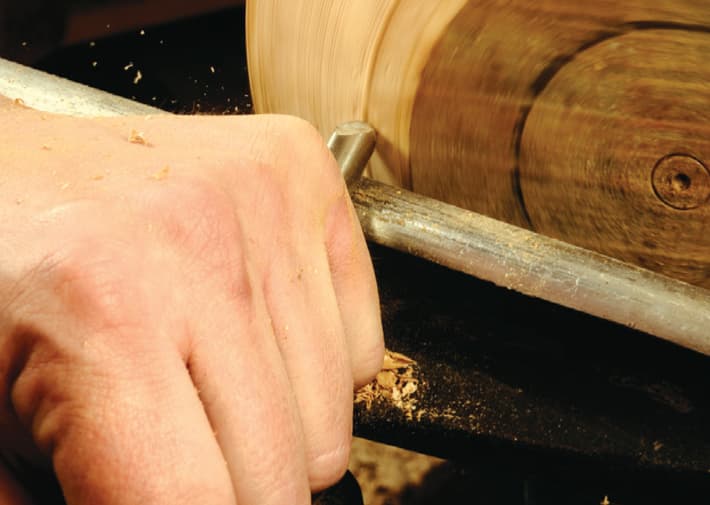
But the post also made a forceful point about limits. Only in-person training consistently provides tactile feedback: the feel of the tool against the bevel, small pressure variations, and the micro-angles that separate a clean shear cut from a catch. Real-time corrective guidance for stance and tool presentation matters when subtle changes in wrist angle or body position prevent chatter and reduce risk. Tailored safety oversight and practice with the variability of real wood - knots, grain reversal, and unexpected voids - are harder to simulate on-screen.
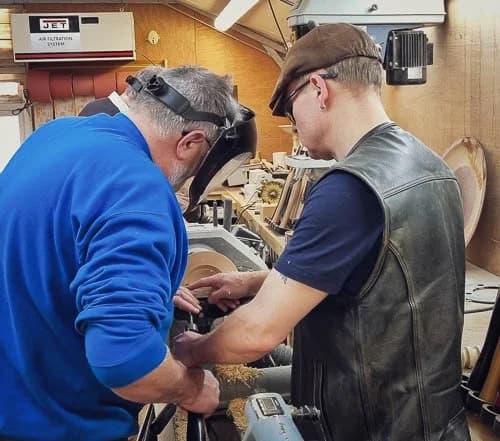
Saban-Smith boiled down what in-person classes add into a practical checklist: immediate stance correction, micro-angle feedback on tool presentation, hands-on guided correction while you make the cut, and the confidence-building that comes from supervised repetition. Those elements work together to stamp out early bad habits that online repetition can otherwise ossify into technique.

The practical takeaway is straightforward. Use online material voraciously for theory, proportion, problem solving and creative stimulus, but seek hands-on tuition before bad habits cement. If you are starting out or trying to change a core movement - how you present a bowl gouge, keep the bevel rubbing, or avoid an embarrassing catch with a skew - those are best handled with a tutor beside you. The post finishes by inviting readers to book a beginners class or to use the school’s Bite-Size and video refresher resources for follow-up practice.
For turners juggling GAS for new tools and limited shop time, the hybrid approach helps you apply streamed learning to the lathe with fewer errors and safer instincts. Expect more clubs and schools to pair crisp online modules with focused bench time, so invest in both watching and doing before the next blank meets your tool rest.
Sources:
Know something we missed? Have a correction or additional information?
Submit a Tip