Ontario Native Women’s Association builds partnerships at Women Deliver conference in Melbourne
ONWA used a 6,500-delegate Melbourne gathering to tie Indigenous women’s stories to policy, youth leadership and new cross-Pacific partnerships.
The Ontario Native Women’s Association used Women Deliver 2026 in Melbourne to turn an international stage into a practical bridge back to Canada, pairing partnership-building with a push to move Indigenous women’s stories into advocacy, policy and community action.
The conference ran April 27 to 30 at the Melbourne Convention and Exhibition Centre in Narrm, on the unceded lands of the Wurundjeri Woi Wurrung people of the Kulin Nation. Women Deliver said the event drew more than 6,500 advocates from about 170 countries and was the first conference it had ever hosted in the Oceanic Pacific region, with a program built to center feminist, grassroots, First Nations, youth-led, LGBTQIA+ and women’s rights movements.
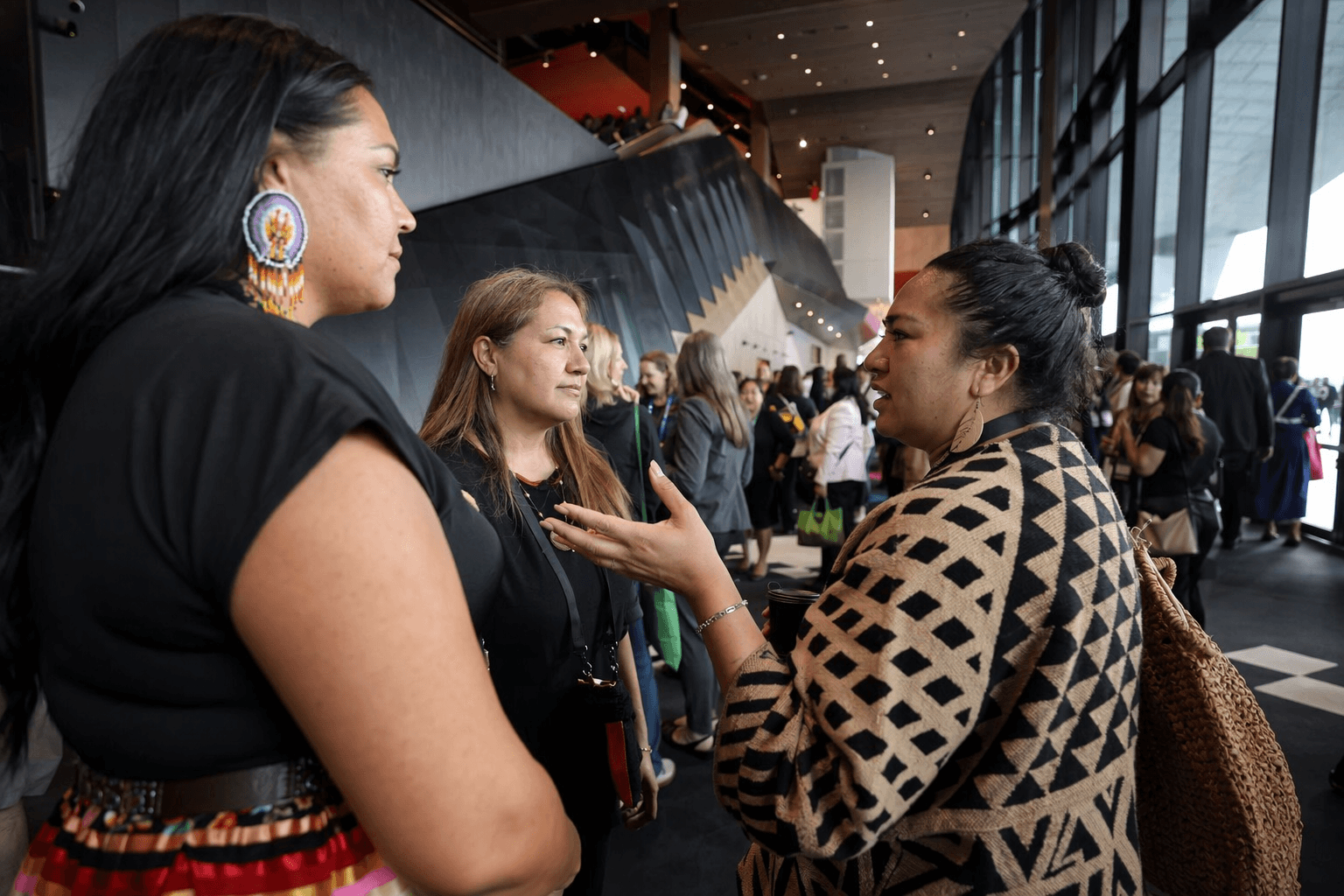
For ONWA, the point was not simply to attend. Chief executive Cora McGuire-Cyrette said Indigenous women’s leadership was needed now more than ever, and she cast the conference as a place to strengthen collective voices and turn lived experience into action. ONWA has previously said it is the largest and oldest Indigenous women’s organization in Canada, and its presence in Melbourne fit a longer pattern of taking Indigenous women’s issues to international forums such as the UN Commission on the Status of Women and the UN Human Rights Council.
The association’s concurrent session, Moving Indigenous Women’s Stories to Advocacy and Action, was scheduled for April 29 from 4:00 to 5:30 p.m. in Room 218. ONWA said the discussion was designed as a collaborative space for connection, reflection and leadership, and it brought the organization together with the Māori Women’s Welfare League and the Wiyi Yani U Thangani Institute for First Nations Gender Justice.
That partnership carried its own policy relevance. The Wiyi Yani U Thangani Institute says it is Australia’s first institute devoted to advancing the rights, knowledges and leadership of First Nations women, girls and gender-diverse people, while the Wiyi Yani U Thangani project engaged 2,294 women across 50 locations in every state and territory before its 2020 report. The Māori Women’s Welfare League, founded in 1951, is the first national charitable Māori women’s organization in Aotearoa New Zealand.
Youth also played a central role in ONWA’s delegation, with young Indigenous participants helping shape the conversation around future leadership rather than standing at the margins of it. That emphasis matters in Canada, where ONWA linked the work to truth and reconciliation efforts and the national inquiry into missing and murdered Indigenous women and girls, arguing that gathering stories only matters when it drives systemic change. In Melbourne, ONWA framed Indigenous women not as observers of the global agenda, but as leaders prepared to carry ideas, alliances and accountability home.
This article was produced by Prism’s automated news system from verified source data, official records, and press releases, then run through automated quality and moderation checks before publishing. The system is built and supervised by the people who set the standards it runs under. Read our full AI policy.
Did this article answer your question?


