OpenAI acquires Weights.gg as voice-cloning safety concerns grow
OpenAI bought Weights.gg and is widening voice tools at the same time, intensifying fears that synthetic speech will be used for scams, misinformation and unauthorized impersonation.

OpenAI’s acquisition of Weights.gg has put the company deeper into the business of synthetic voices just as those tools become more powerful, more accessible and more vulnerable to abuse. The deal lands at a moment when AI-generated speech can sound convincingly human, and when the gap between product innovation and public-safety risk is getting harder to ignore.
OpenAI first developed Voice Engine in late 2022, and the system can generate natural-sounding speech from text and a single 15-second audio sample. When OpenAI previewed the model on March 29, 2024, it said the tool was not widely available and had only been tested with a small group of trusted partners. OpenAI also said Voice Engine informed safety research and policymaker briefings, a sign that the company understood early that voice cloning could be used for fraud, deception and identity theft as much as for accessibility or convenience.
Weights.gg built a different kind of voice ecosystem. The platform let AI fans and creators make AI voice covers, text-to-speech clips and community voice models using RVC-based tools. Its library reportedly included unauthorized clones of celebrities, animated characters and political figures, a reminder of how quickly voice technology can cross from experimentation into impersonation. OpenAI acquired the company earlier in 2026, along with its intellectual property and team, after Weights.gg shut down its services in March 2026. One report said the company had about six employees. PitchBook data cited in coverage put its total funding at roughly $4 million, with backing from Kleiner Perkins, Freestyle Capital and Original Capital.
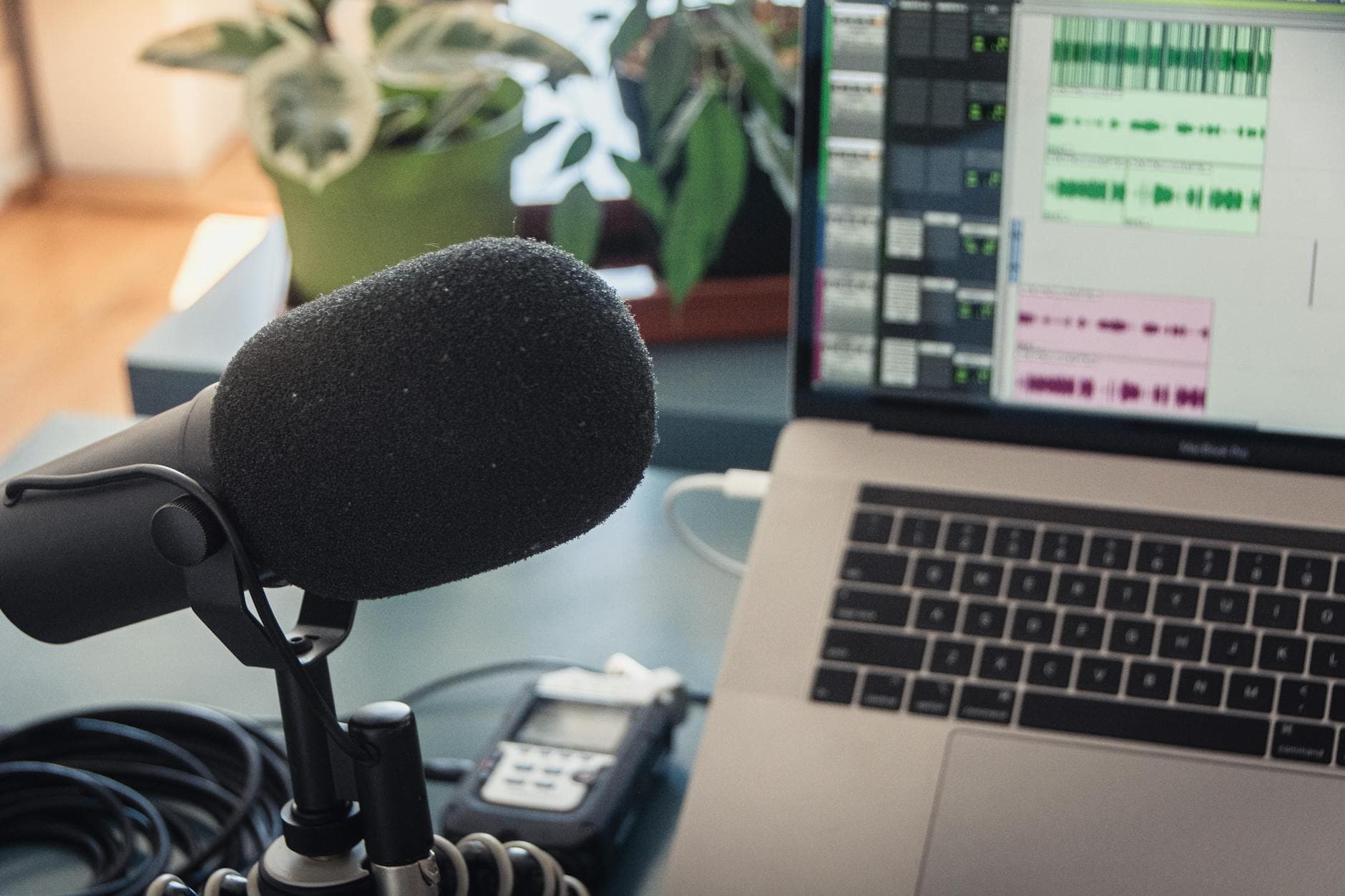
The acquisition arrives as OpenAI expands voice products of its own. In May 2026, the company released new realtime voice models in its API while continuing to stress caution around broader deployment of synthetic speech. That balance matters because the harms are no longer theoretical. OpenAI has warned that voice cloning can be abused, especially around elections, when a fabricated call or audio clip can travel faster than any correction. Public figures including Samuel L. Jackson have opposed unauthorized voice cloning, and Taylor Swift has filed trademark applications aimed at protecting her voice and image.
That broader legal and policy fight is part of what makes the Weights.gg deal so consequential. OpenAI is already facing copyright scrutiny in other parts of its business, including lawsuits over AI systems and news content. Moving further into voice cloning may strengthen its product lineup, but it also raises a harder question: which safeguards actually separate responsible deployment from a public-safety liability when a synthetic voice can sound like anyone, and reach millions in seconds.
This article was produced by Prism’s automated news system from verified source data, official records, and press releases, then run through automated quality and moderation checks before publishing. The system is built and supervised by the people who set the standards it runs under. Read our full AI policy.
Did this article answer your question?