OpenAI expands Codex into banking, legal work and corporate finance
OpenAI said Codex now has 5 million weekly users and is moving into banking, legal work and corporate finance as it races Anthropic for enterprise deals.
OpenAI is pushing Codex far beyond software engineering, aiming squarely at banking, legal work, sales and corporate finance as it tries to turn a coding agent into a broader decision-making tool for regulated industries. The move matters because it places OpenAI in the middle of enterprise workflows where speed is valuable but mistakes can be costly, from investment research and deal work to compliance-heavy document review.
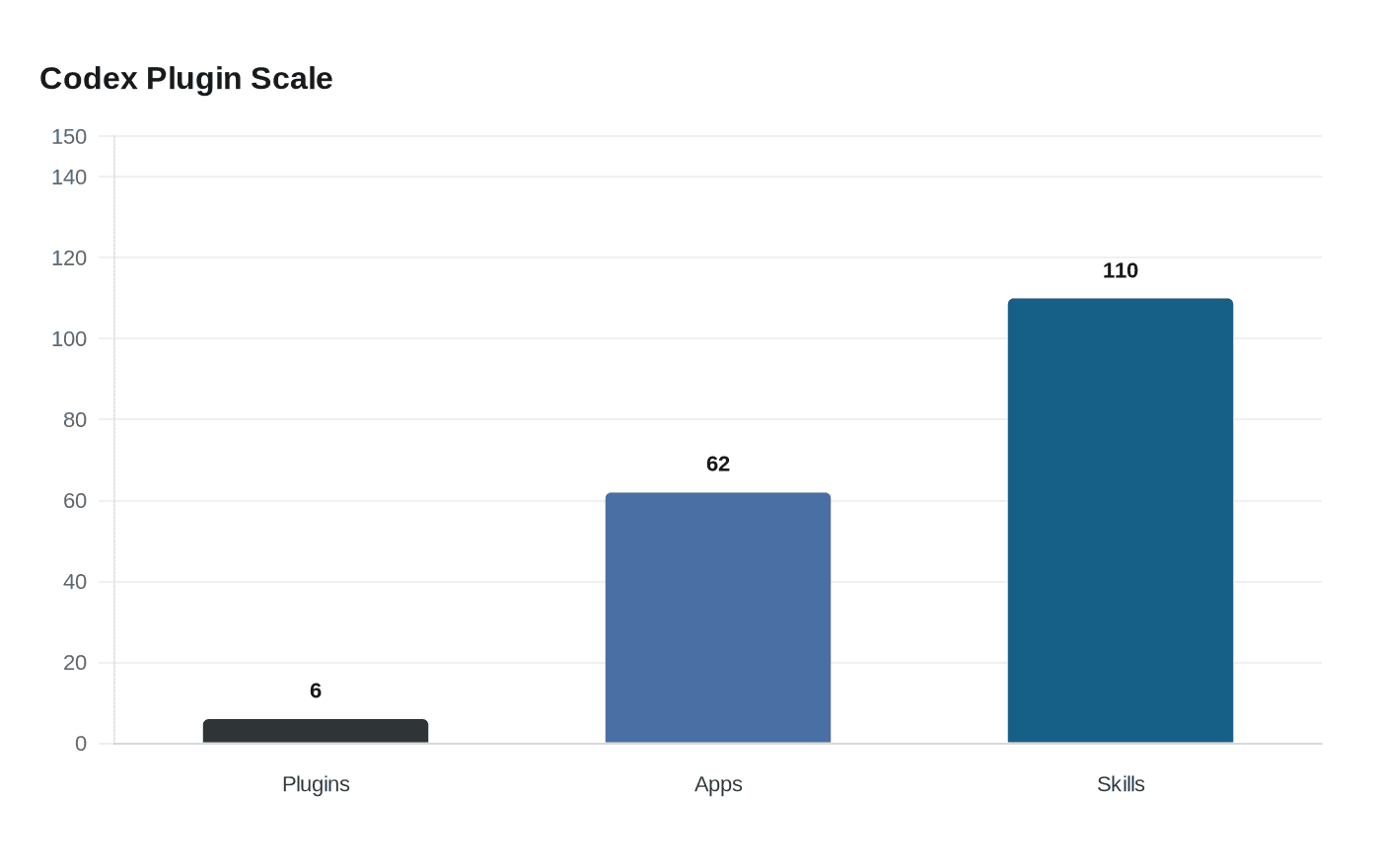
The company said on June 2 that Codex now has more than 5 million weekly active users, more than six times the level seen after the desktop app launched in February. OpenAI said non-developers now make up about 20% of users, and that group is growing more than three times as fast as developers. To reach them, OpenAI launched six role-specific plugins that bundle 62 popular apps and 110 skills, with more on the way for corporate finance, private equity investing, marketing strategy, strategy consulting and legal work.

OpenAI is also building an open ecosystem in which partners can create and deploy their own plugins directly in Codex and ChatGPT. That is a clear signal that the company wants to embed its tools into the daily systems used by analysts, bankers, lawyers and operators, not just software teams. Inside OpenAI, non-technical teams are already using Codex to build internal apps, prepare executive materials, create dashboards and turn creative briefs into work that fits brand and design constraints.
The company pointed to early corporate examples that show how it wants Codex to be used. At Zapier, teams are using it with Slack, Google Docs and Coda to produce postmortems, incident-response plans and feature tickets. At NVIDIA, researchers are using Codex to speed up experiment workflows, from finding research ideas to writing machine-learning infrastructure scripts. The pitch is that Codex can move from code generation to a general workflow layer for knowledge work, where drafting, summaries, structured research and analysis matter as much as programming.
The timing reflects fierce competition for enterprise AI spending. Anthropic, Blackstone, Hellman & Friedman and Goldman Sachs announced a new enterprise AI services firm on May 4, and Anthropic chief financial officer Krishna Rao said enterprise demand for Claude is "significantly outpacing any single delivery model." Anthropic also confidentially filed for a U.S. initial public offering on June 1, edging ahead of OpenAI in the race toward public markets. For both companies, the prize is not just user growth but durable enterprise revenue, and that is pushing AI from convenience tool toward the center of regulated professional decision-making.
This article was produced by Prism’s automated news system from verified source data, official records, and press releases, then run through automated quality and moderation checks before publishing. The system is built and supervised by the people who set the standards it runs under. Read our full AI policy.
Know something we missed? Have a correction or additional information?
Submit a Tip