USDA confirms first U.S. screwworm case in decades in Texas
A 3-week-old calf in Zavala County tested positive for screwworm, a parasite that can kill untreated livestock in days and shake Texas beef markets.
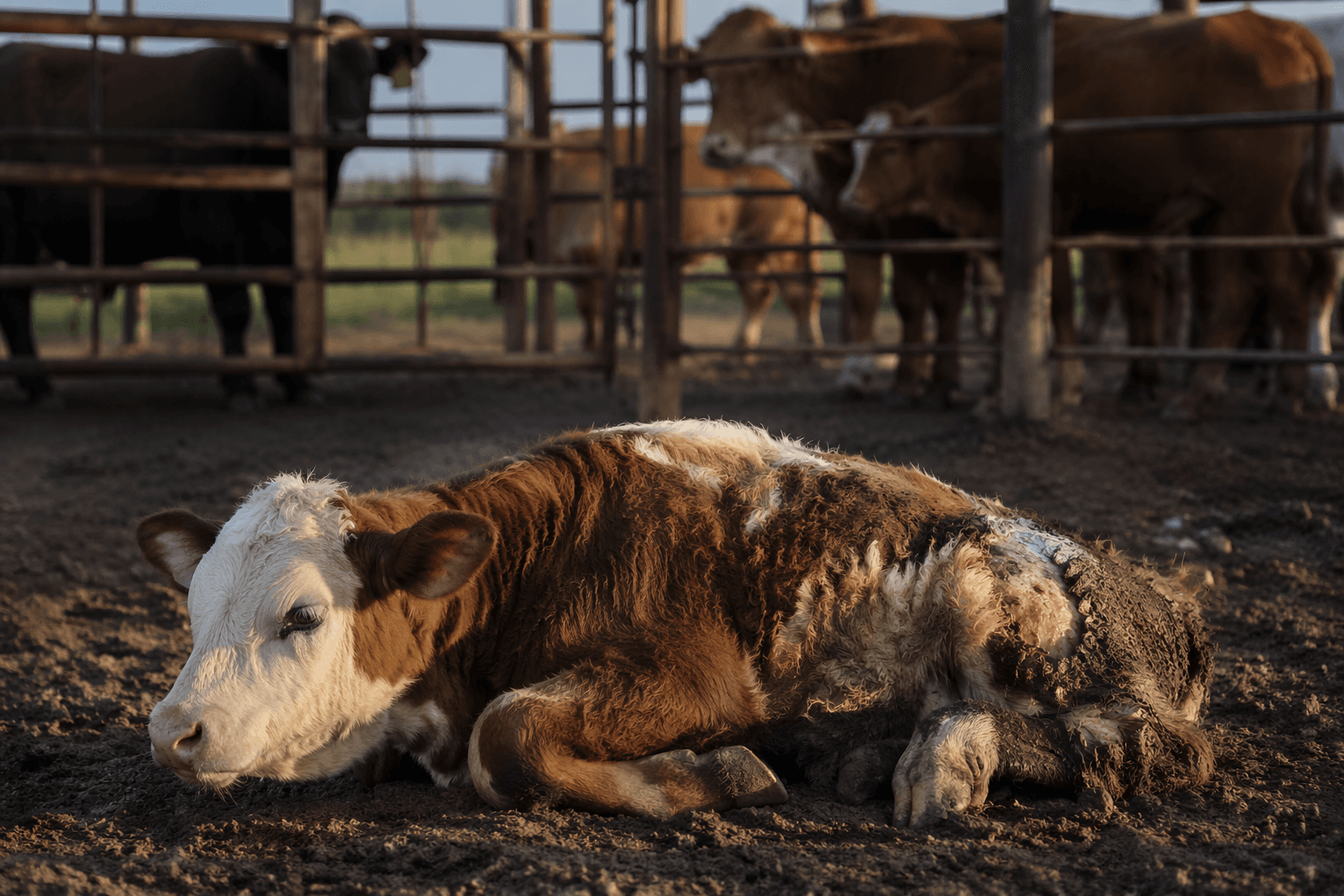
A screwworm finding in a 3-week-old calf near La Pryor jolted Texas ranching because the parasite feeds on living tissue and can kill untreated animals within one to two weeks. The Agriculture Department said larvae were discovered in the calf’s umbilical wound in Zavala County, and the sample was confirmed at USDA’s National Veterinary Services Laboratories in Ames, Iowa.
It was the first U.S. case in decades, a stark reminder of how quickly a single detection can turn into a livestock crisis. USDA said New World screwworm is not currently present in the United States, but the risk intensified as the pest moved north through Mexico for more than a year. The nearest confirmed Mexican case cited by officials was in Coahuila, about 25 miles south of the U.S. border.
The economic stakes are far larger than one ranch. Congress’s research arm has said a 1976 Texas outbreak would translate to $732 million in 2024 dollars, or about $1.8 billion to the Texas livestock industry and economy. That is why the latest detection matters to cattle producers, meatpackers and cross-border shipping lines as much as to veterinarians: a spread into Texas could disrupt herds, tighten supplies and push beef prices higher.
USDA has already moved to slow that risk by closing all southern ports of entry to livestock trade. The agency also continues to disperse 100 million sterile insects each week in Mexico and along the U.S.-Mexico border, a strategy rooted in the sterile insect technique that helped drive the pest out of the United States in 1966. The campaign has deep historical roots in the work of Edward F. Knipling, whose male-release strategy became central to eradication across the U.S., Mexico and most of Central America.
For consumers, the immediate danger is not a food-safety scare at the meat counter. The larger threat is to live animals and the supply chain that turns cattle into beef, because a wider outbreak would strain ranchers, increase containment costs and raise the odds of higher prices later. Texas now faces a test of whether decades of surveillance, trapping and sterile fly production can keep a parasite with a long record of destruction from reestablishing itself.
This article was produced by Prism’s automated news system from verified source data, official records, and press releases, then run through automated quality and moderation checks before publishing. The system is built and supervised by the people who set the standards it runs under. Read our full AI policy.
Know something we missed? Have a correction or additional information?
Submit a Tip