OpenAI revises Pentagon contract after protests and user flight
OpenAI added language barring intentional domestic surveillance after mass protests and reported user defections to Anthropic’s Claude, CEO Sam Altman said on X.
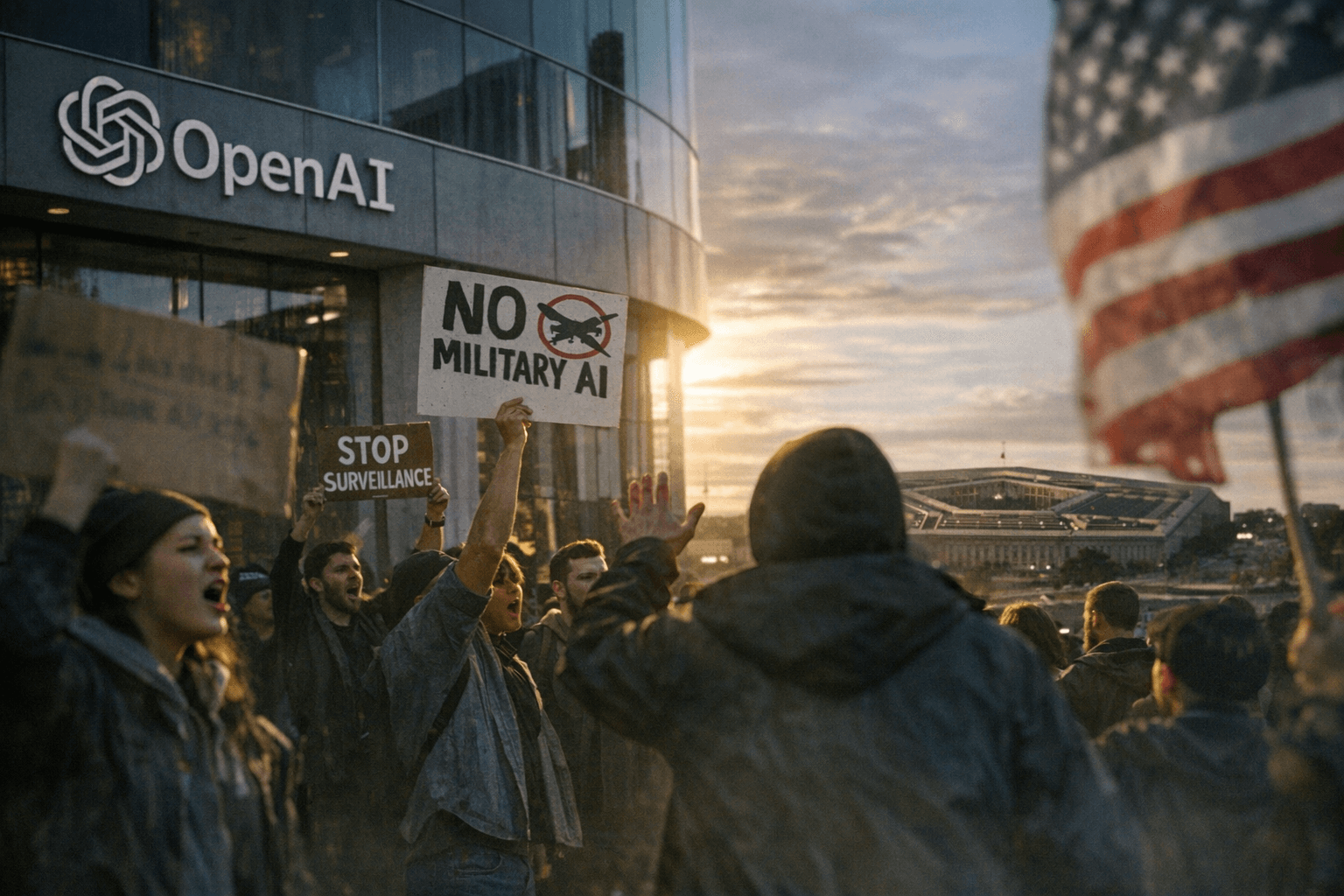
OpenAI said it amended its agreement with the U.S. Defense Department, which some outlets referred to as the Department of War (DoW), after widespread public backlash, protests and a reported exodus of users to Anthropic’s Claude. CEO Sam Altman posted an internal memo on X on March 3, 2026, saying the company had “rushed” the deal and was adding clarifying language to make its principles clear.
Altman wrote, “We have been working with the DoW to make some additions in our agreement to make our principles very clear.” The memo reposted in several outlets reproduces the key contractual line: “Consistent with applicable laws... the AI system shall not be intentionally used for domestic surveillance of U.S. persons and nationals.” The text also includes a clarifying clause: “For the avoidance of doubt, the Department understands this limitation to prohibit deliberate tracking, surveillance, or monitoring of U.S. persons or nationals, including through the procurement or use of commercially acquired personal or identifiable information.”
Company officials and Altman framed the amendments as narrowing potential misuse and said the Defense Department understands and accepts the restriction on deliberate domestic surveillance. Altman also acknowledged how the deal was handled publicly, using language reported in contemporaneous coverage that the agreement “appeared opportunistic and sloppy” and “looked opportunistic and was executed way too fast.”
The contract revision followed an initial announcement of a Pentagon partnership the Friday before March 3, 2026. That announcement coincided with other high-profile shifts in federal AI policy and security operations, including a White House directive to federal agencies to stop using Anthropic tools and, by some accounts, military action that commentators said occurred within a day of the deal. The precise calendar date of the initial Friday announcement was not detailed in company postings.
Public reaction was immediate. Protests broke out in multiple cities, including the “March Against The Machines” demonstration in London where “hundreds of protesters” marched from OpenAI’s offices to major tech headquarters, organizers said. At the same time, app-store metrics and industry reporting showed a wave of users switching from ChatGPT to Anthropic’s Claude, a shift contemporary accounts described as a significant user flight.
The contest between OpenAI and Anthropic informed the negotiations. Anthropic’s leaders had pressed the Defense Department for guarantees against domestic surveillance and restrictions on autonomous weapons development, and earlier talks between Anthropic and the Pentagon reportedly broke down. Some reporting has also suggested the Department had sought the ability to analyze unclassified commercial bulk data on Americans, including geolocation and web browsing, a point attributed to other news reporting summarized by regional outlets.
Critics said the amendments left important gaps. Mashable and other outlets noted the surveillance ban is qualified by the phrase “consistent with applicable laws,” a condition that leaves enforcement tied to current legal limits and potentially vulnerable to future legislative change. Observers also said the revisions do not specifically address autonomous weapons or spell out enforcement mechanisms.
OpenAI’s move to rewrite parts of the agreement is intended to calm public concern and stem user defections, but it has not yet resolved the criticisms or answered questions about how the ban will be enforced across intelligence and defense agencies. The company and the Defense Department have said publicly they share a commitment to preventing domestic surveillance, while advocates and rival companies continue to press for clearer, legally binding safeguards.
Know something we missed? Have a correction or additional information?
Submit a Tip