OpenAI strikes $20 billion Cerebras deal to boost AI speed
OpenAI locked in a multiyear Cerebras buildout for 750 megawatts of chip capacity, with deployment starting in 2026. The deal is worth more than $20 billion over three years.
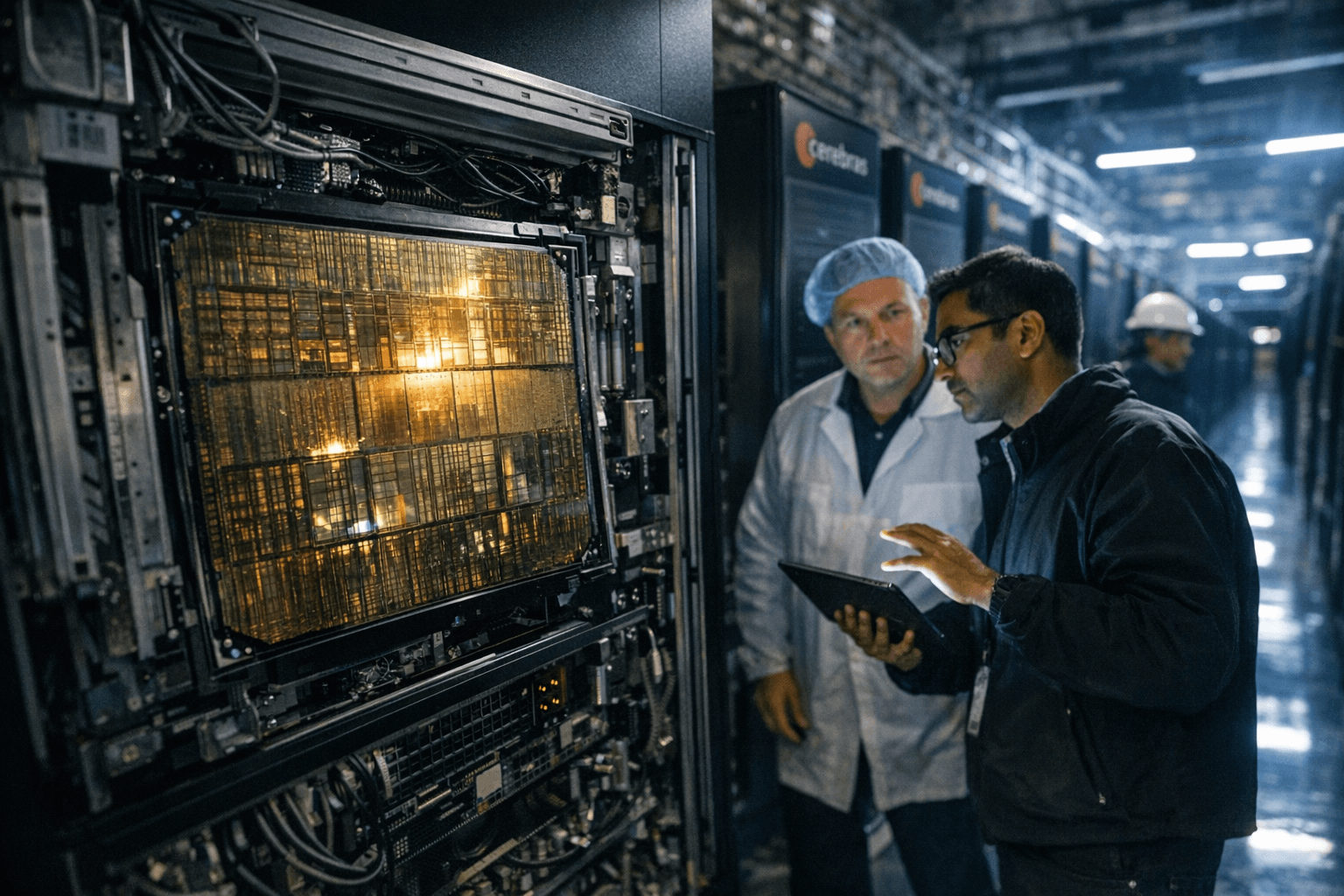
The real news in OpenAI’s latest move is not a flashy product launch but an industrial-scale bet on speed. OpenAI and Cerebras agreed to deploy 750 megawatts of Cerebras wafer-scale systems for OpenAI customers, with the rollout beginning in 2026 and happening in multiple stages. OpenAI said the partnership is meant to make its AI respond much faster, putting low latency at the center of its competitive strategy.
The financial terms show how costly that ambition has become. OpenAI agreed to pay Cerebras more than $20 billion over three years, and the deal could also give OpenAI an equity stake in the chip maker. That ties Sam Altman’s company more closely to Andrew Feldman’s hardware operation at a time when AI leadership is increasingly shaped by access to chips, server capacity and power, not just software features.
The scale has consequences far beyond the companies involved. A deployment measured in hundreds of megawatts means more pressure on electricity demand, grid planning, permitting and the communities that live near the data centers required to support it. Faster responses may improve how users experience AI in work, search and education, but the buildout also expands the physical footprint of the industry and shifts the costs of land, energy and labor onto a broader public.
The broader tech cycle makes the stakes easier to see. Tesla brought its robotaxi service to Dallas and Houston, Palantir posted a manifesto denouncing inclusivity and “regressive” cultures, Uber entered what one headline called its “assetmaxxing era,” fusion energy’s funding boom began to crack, and the App Store was said to be booming again, possibly because of AI. In a news stream crowded with recycled or loosely framed items, the OpenAI-Cerebras deal stands out because it has hard numbers, a defined rollout and a clear national impact: the next phase of AI will be shaped by who can build the fastest, largest and most power-hungry infrastructure first.
This article was produced by Prism’s automated news system from verified source data, official records, and press releases, then run through automated quality and moderation checks before publishing. The system is built and supervised by the people who set the standards it runs under. Read our full AI policy.
Did this article answer your question?

