US Futures Fall as Iran Tensions Drive Oil Higher and Markets Cautious
Oil jumped toward $97 a barrel as S&P 500 futures slipped, signaling a market swing from relief to fear over the Strait of Hormuz.
Oil surged and U.S. stock futures slipped as traders reassessed whether the Iran standoff was a short-lived shock or the start of a longer disruption in one of the world’s most important shipping lanes.
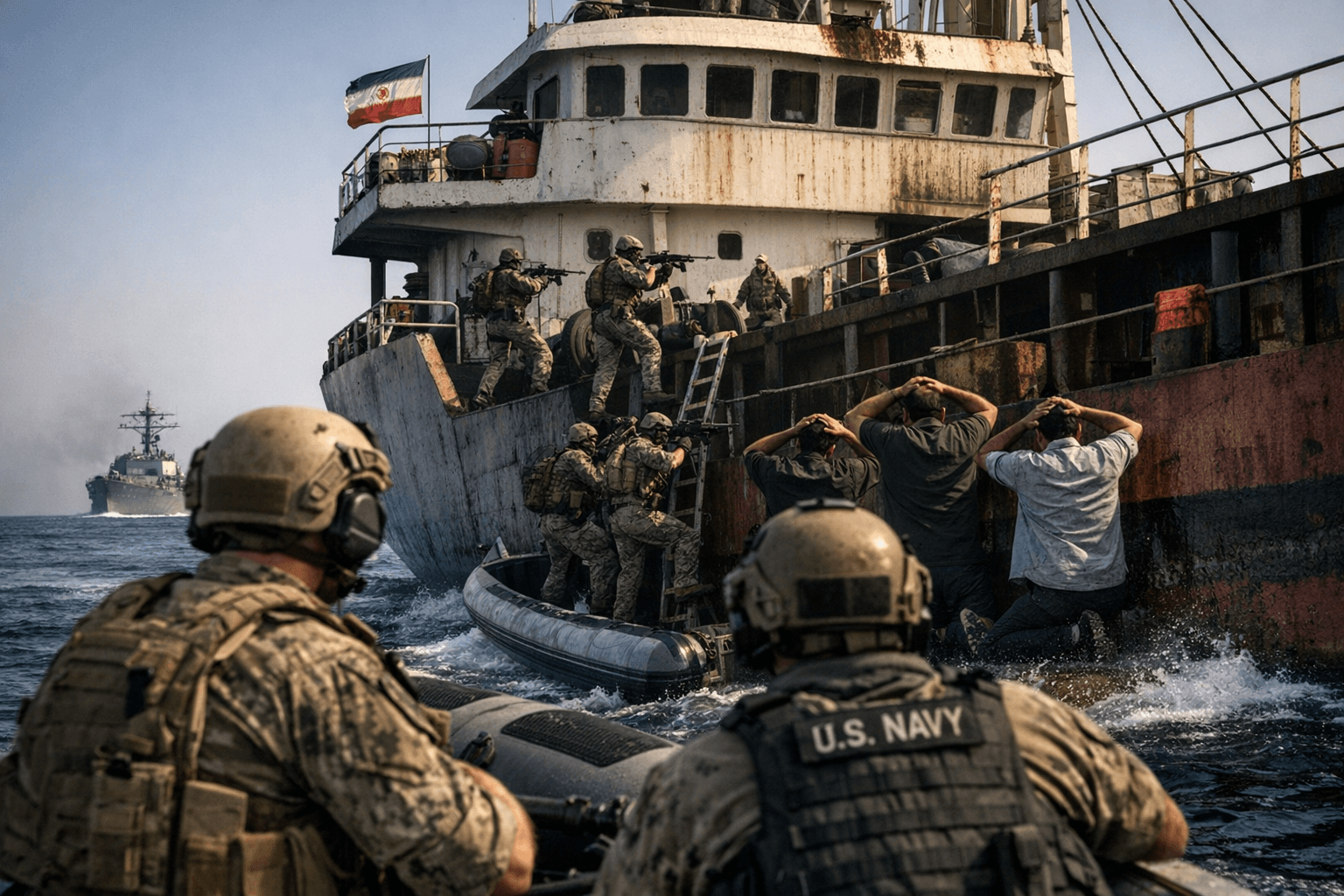
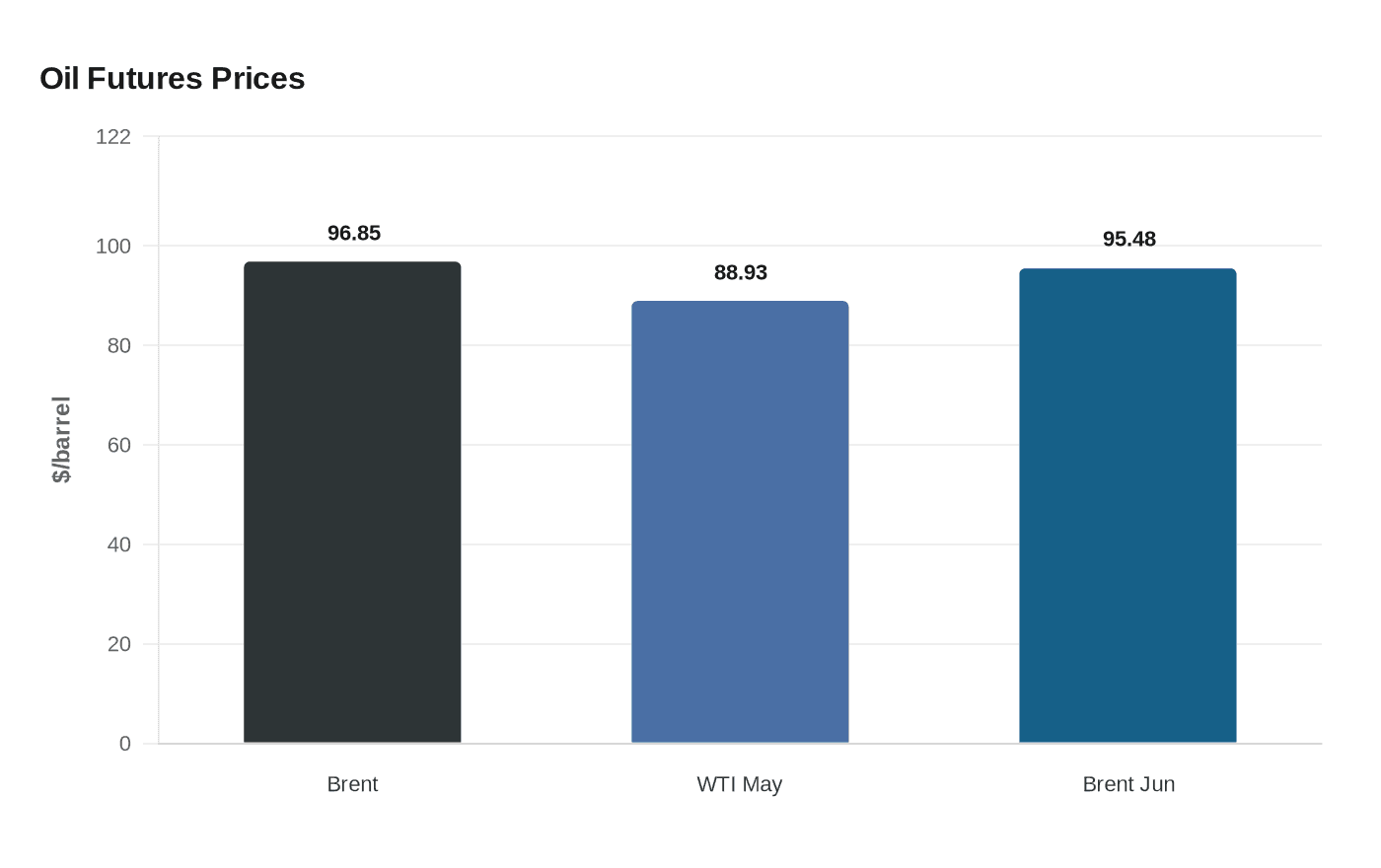
S&P 500 futures fell 0.6% after the benchmark index closed at a record high on Friday, even after Iran had declared the Strait of Hormuz “completely open.” Dow futures fell more than 350 points as tensions escalated after the weekend seizure of an Iranian-flagged cargo ship. Brent crude jumped about 7% to $96.85 a barrel in early Asian trading, while West Texas Intermediate for May delivery rose about 6% to $88.93 and Brent for June delivery climbed nearly 5.63% to $95.48.
The move matters well beyond trading desks. A sustained oil spike quickly reaches airline fuel bills, freight costs and eventually household inflation expectations. It also hits retirement accounts through the market route first, with weaker futures signaling that pension funds, 401(k) balances and index-heavy portfolios could feel more pressure if investors keep rotating away from equities and into energy and defensive assets.
The latest move was a sharp reversal from the previous week’s optimism. On April 13, stocks rallied after Iran said the Strait of Hormuz would remain open, with the S&P 500 up 1.02% to 6,886.24, the Nasdaq Composite rising 1.23% to 23,183.74 and the Dow adding 301.68 points to 48,218.25. By April 16, the S&P 500 had already reached an all-time high despite limited progress in peace talks and continued disruption to oil supplies. The index then posted another record close on Thursday, April 17, before the mood turned again over the weekend.
The strait is the crucial chokepoint at the mouth of the Persian Gulf, and Bloomberg said the war had already produced one of crude oil’s worst disruptions because the near-closure left hundreds of ships bottled up in the Gulf. The latest jump showed how quickly traders can move from betting that the conflict will ease to pricing in a wider and longer shock that could keep tanker traffic constrained.
Asian shares managed to advance even as oil rose more than 5%, underscoring the split-screen reaction across markets. For now, the message from futures is that investors are not treating the latest flare-up as routine headline risk. They are pricing in the possibility that energy markets, transport costs and household inflation could stay under pressure if the Strait of Hormuz remains a flash point.
Know something we missed? Have a correction or additional information?
Submit a Tip