OpenAI taps Kalshi data to power 2026 World Cup search results
OpenAI is surfacing Kalshi odds inside ChatGPT for 2026 World Cup queries, with a clear “Source: Kalshi” label. The move turns prediction markets into a live input for sports search.
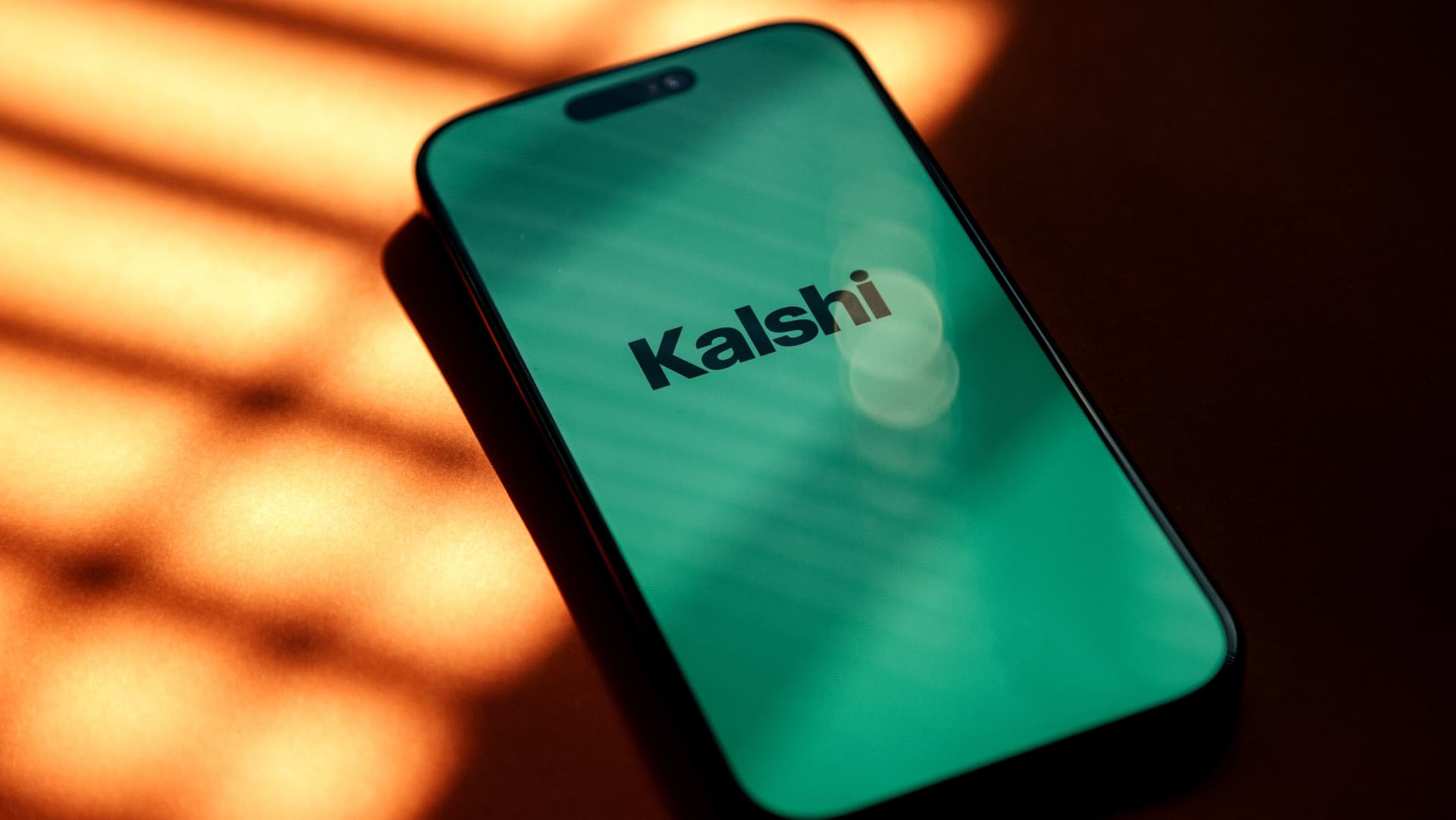
OpenAI’s ChatGPT began surfacing World Cup predictions from Kalshi for some 2026 tournament queries, and the company said the answers would be clearly labeled “Source: Kalshi.” The disclosure sits at the center of the rollout: users are not just seeing standard match information, but forecast data pulled from a regulated prediction market platform.
OpenAI’s Help Center said ChatGPT’s World Cup experience could cover schedules, matchups, teams and players, country storylines, predictions, and what different match outcomes mean. The company also had a dedicated World Cup hub at chatgpt.com/football, positioning the tournament as a prominent product moment inside the assistant.

The integration appeared to be OpenAI’s first use of prediction-market data to power sports search results. That makes the disclosure line important, because it separates this material from ordinary reporting and from the rest of ChatGPT’s sports coverage, which already blends schedules, recaps, and team context. OpenAI has not publicly detailed user controls, ranking methodology, or financial terms tied to the arrangement.
Kalshi’s own World Cup pages showed live win probabilities and real-time bracket pricing from its prediction markets. Its bracket page followed the 2026 FIFA World Cup knockout bracket with live probabilities for every matchup, while its futures page listed the latest odds and predictions for the tournament. The market set extended beyond simple winner picks to bracket futures, match markets, props, and awards markets.
By mid-July 2026, the market had already narrowed around several traditional powers. France, Spain, England, Argentina, and other sides were priced as the knockout stage moved forward, reflecting how quickly the probabilities shifted as the tournament advanced. That real-time movement is the appeal, and the risk, of putting forecast markets into a general-purpose assistant: users get an immediate signal, but also one shaped by trading activity rather than official match data.
The pairing also signaled how prediction markets were becoming more visible during the World Cup itself. Kalshi’s prices moved as teams advanced, and sportsbooks and prediction-market outlets tracked live probabilities for finalists and quarterfinalists. For OpenAI, the test was less about whether ChatGPT could find World Cup facts and more about whether it could present market-derived forecasts in a way users would trust, understand, and distinguish from neutral reference material.
This article was produced by Prism’s automated news system from verified source data, official records, and press releases, then run through automated quality and moderation checks before publishing. The system is built and supervised by the people who set the standards it runs under. Read our full AI policy.
Did this article answer your question?