SpaceX launches 27 Starlink satellites from Vandenberg on Falcon 9
SpaceX added 27 more Starlink satellites from Vandenberg as its constellation passed 10,700 spacecraft and a reused booster landed at sea.
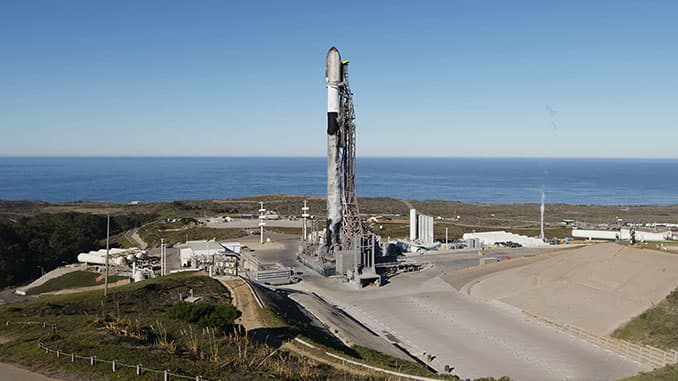
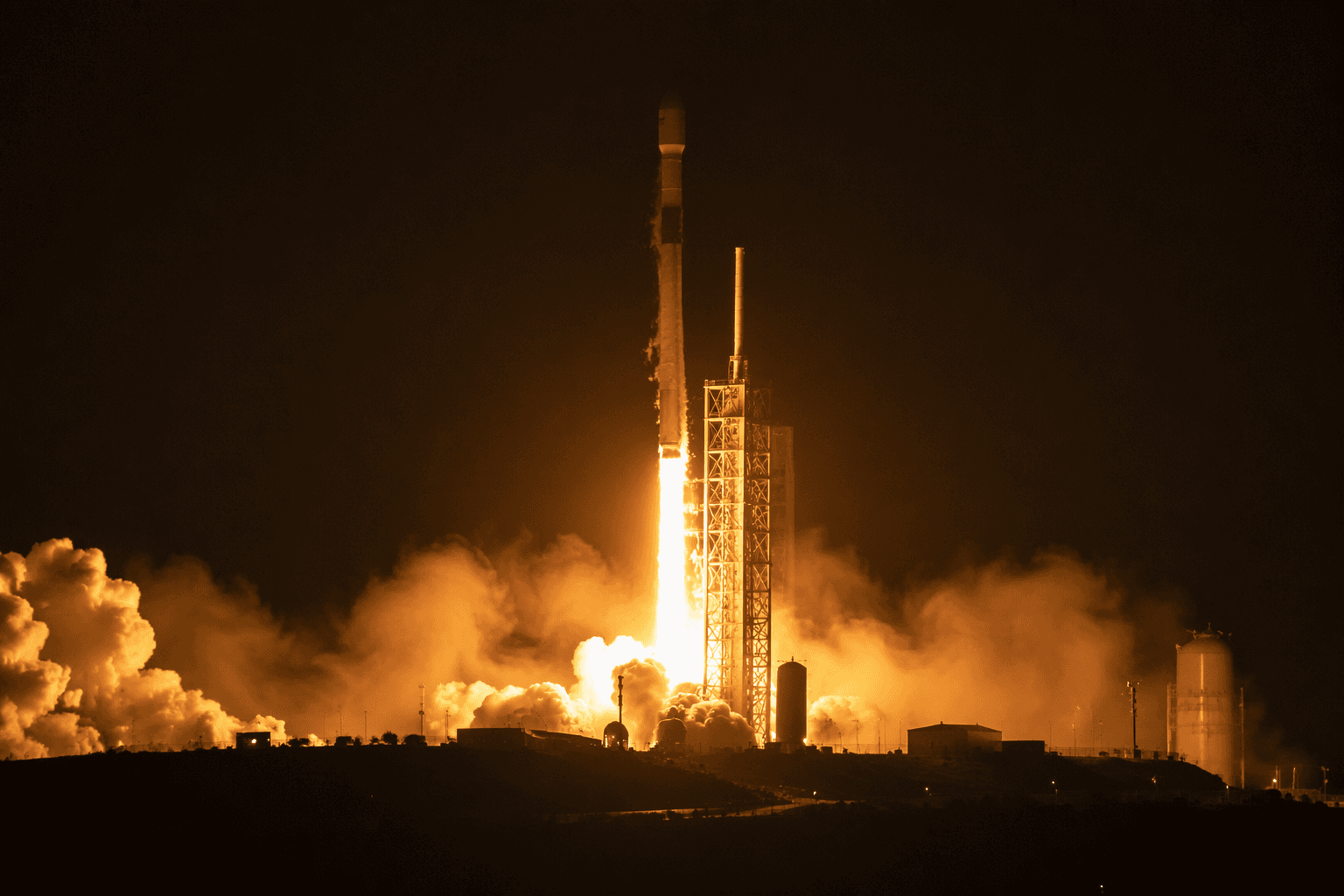
SpaceX sent 27 more Starlink V2 Mini satellites into low Earth orbit from Vandenberg Space Force Base on Monday evening, pushing its broadband constellation past 10,700 spacecraft and extending the company’s rapid buildout from the California coast. The Starlink 15-14 mission lifted off from Space Launch Complex 4 East at 6:28:17 p.m. PDT and sent the first stage booster, B1093, through its 15th flight before landing on the droneship Of Course I Still Love You in the Pacific Ocean.
B1093 had already flown Transporter-16, two Space Development Agency missions and 11 earlier Starlink missions, underscoring how aggressively SpaceX is recycling Falcon 9 hardware to keep its own network growing. The July 13 launch came just 12 days after another Vandenberg Starlink mission sent 24 satellites to orbit on July 1, a flight SpaceX identified as the 77th Falcon 9 launch of 2026.
That cadence is central to SpaceX’s larger strategy. Starlink is not just a home internet system anymore; SpaceX says the network is also being expanded for direct-to-cell service, with more than 400 satellites now assigned to that effort and commercial availability in the United States and New Zealand. The more often Falcon 9 flies, the faster SpaceX can add capacity, deepen coverage and widen the gap between its constellation and rivals still trying to match its pace.
The expansion also sharpens the trade-offs that come with broadband from space. Each 27-satellite launch adds more objects to an already crowded low Earth orbit, where tracking, spacing and long-term congestion remain growing concerns for regulators and astronomers. SpaceX said residents in parts of coastal California, including Santa Barbara and San Luis Obispo counties, could see a jellyfish twilight effect depending on weather and viewing conditions, a visible reminder that the network’s footprint is no longer limited to radio signals and customer terminals.
With repeated Vandenberg launches now filling the summer schedule, the base has become a critical West Coast hub for SpaceX’s industrial-scale Starlink buildout.
This article was produced by Prism’s automated news system from verified source data, official records, and press releases, then run through automated quality and moderation checks before publishing. The system is built and supervised by the people who set the standards it runs under. Read our full AI policy.
Did this article answer your question?