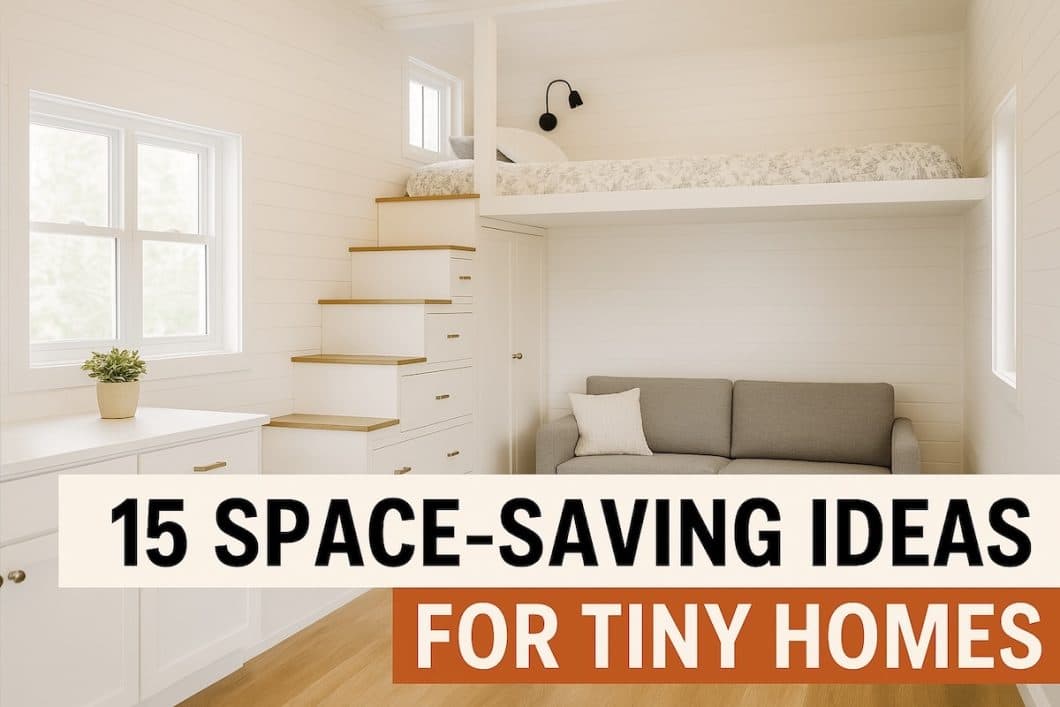
Operation Tiny Home veteran grants fund tiny house projects
Operation Tiny Home provides grants and partnerships to help veterans and nonprofits build tiny homes, with awards covering up to 50% of project costs. Eligible partners can apply online.
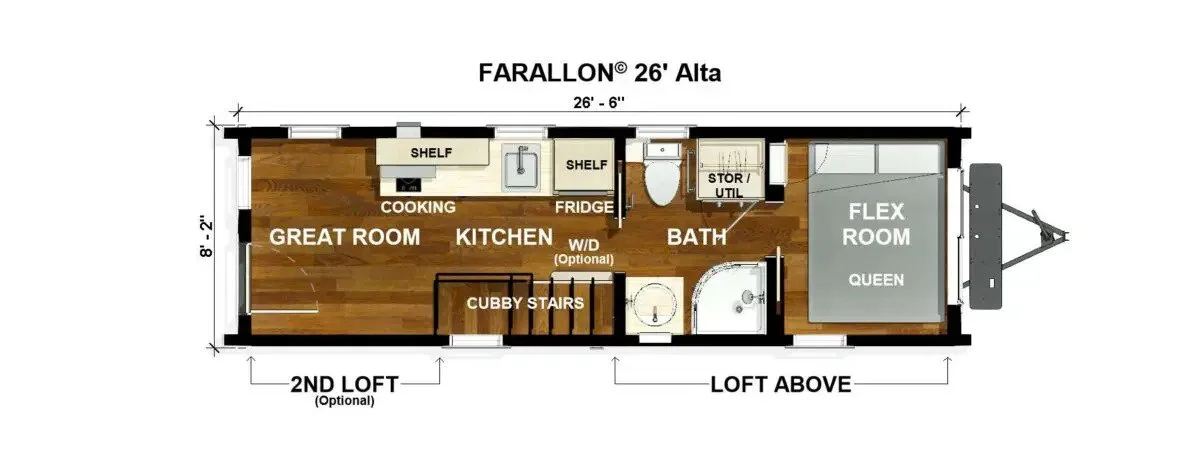
Operation Tiny Home runs a veteran-focused grant and partnership program that helps community groups, veterans-service organizations, and municipalities bring tiny homes into service for veterans and other populations in need. The program offers funding on specific listings that can cover as much as 50 percent of project costs, and it pairs financial support with guidance on models, certifications, and partner responsibilities.
The resource page lays out who can apply and how partners can work with the nonprofit. Nonprofits and community partners can submit applications and explore partnership options online at operationtinyhome.org/veterantinyhomegrant. Example beneficiary models are shown to set realistic expectations for sizing and specifications—the Tumbleweed Farallon 26 spec is listed as one successful recipient model—helpful when matching needs to available funding and site constraints.
Practical details matter to groups planning an initiative. The program documents prior projects and beneficiary stories that illustrate typical timelines, build configurations, and partnership roles. It also lists partner and certification information that helps projects pass local inspections and meet housing standards; the NOAH RDI certification is referenced, which community builders should track when choosing prebuilt units or builders for donated or subsidized homes.
For municipalities and service providers wrestling with zoning, utilities, and long-term operation, the grant program is structured to integrate community partners rather than deliver standalone units. That means successful applications often pair grant dollars with local match funding, site control, and an operations plan. The up-to-50 percent examples on listings give realistic leverage for seed funding but require applicants to budget for site prep, utilities, permitting, and ongoing services.
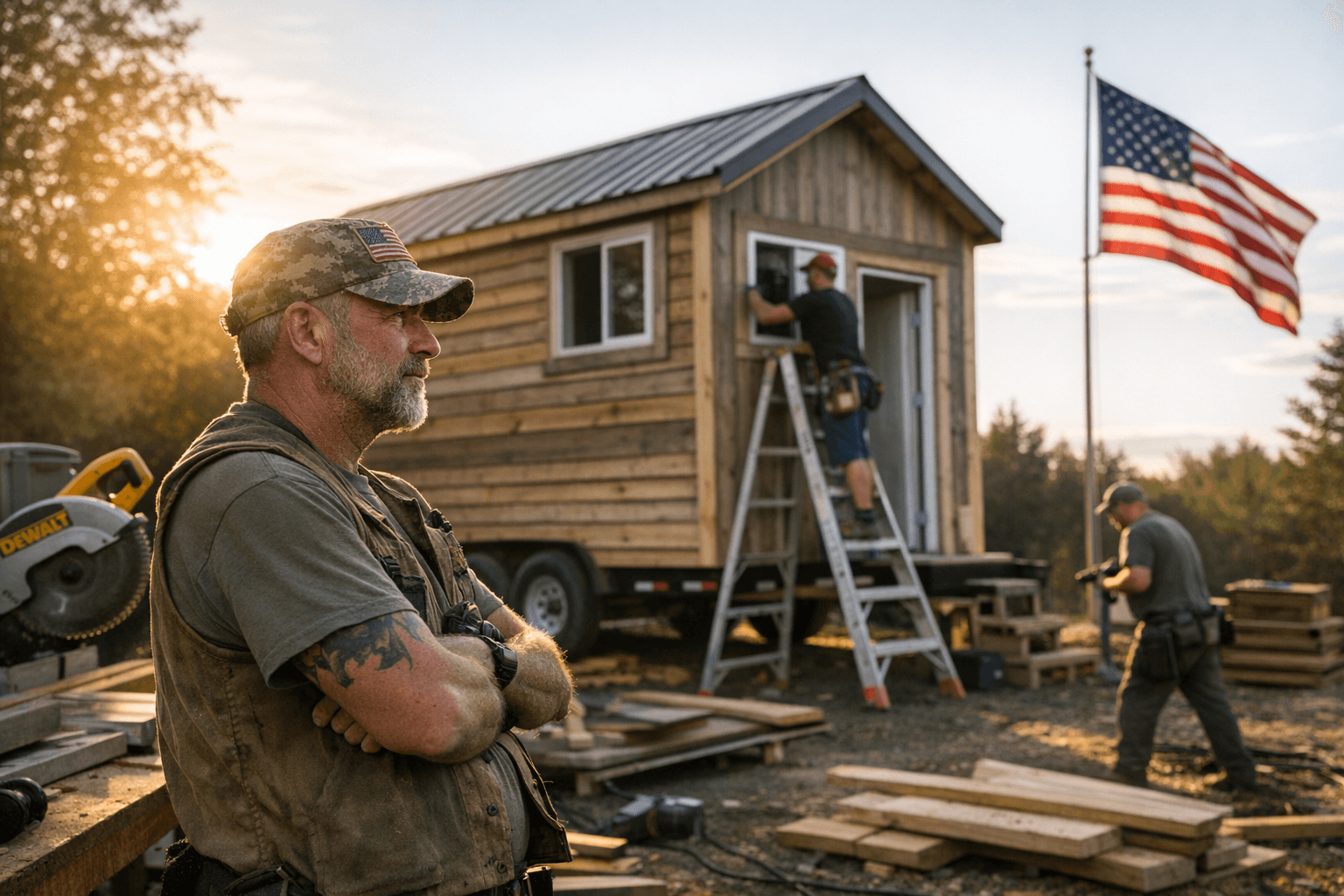
For grassroots groups, the materials on the page act as both inspiration and workbook: model specs to evaluate sleeping capacity and accessibility, beneficiary stories to show outcomes and community impacts, and partner criteria to identify potential collaborators like housing authorities, veteran organizations, and builders with RDI-certified units. The presence of prior projects helps local advocates prepare fuller applications and anticipate common hurdles such as foundation options, fire safety upgrades, and utility hookups.
Our two cents? Start by reviewing the model specs and certification notes, line up a municipal partner for site control and permitting, and build match funding into your budget from day one. Visit operationtinyhome.org/veterantinyhomegrant to see eligible use cases and application steps, and treat the program as a toolbox—grant support plus partnerships—to get tiny homes parked, hooked up, and serving veterans sooner.
Sources:
Know something we missed? Have a correction or additional information?
Submit a Tip