Oral history links Ghanaian family roots to 13th-century tree in fishing town
A family’s lineage in a Ghanaian fishing town reaches back to a tree planted in the 13th century, turning oral memory into proof of belonging.
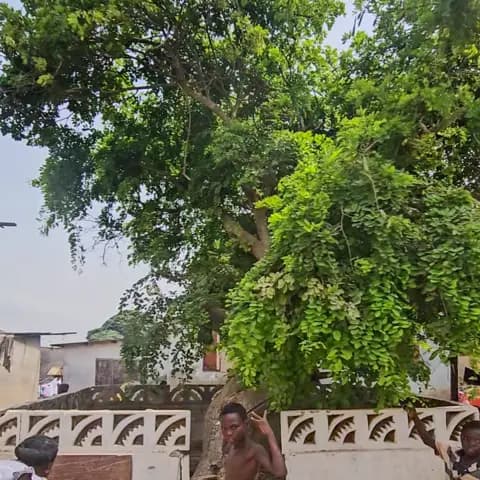
In a Ghanaian fishing town, a family’s roots have been traced to a tree planted in the 13th century, a living marker that turns memory into evidence and ancestry into place. The story shows how oral history in Ghana can do more than preserve a name; it can anchor a family to land, settlement and legitimacy across centuries.
That kind of lineage carries real weight in communities where identity is often passed down through elders, not stored in one central archive. Ghanaian family-history research frequently depends on oral history, customary records and scattered civil or church documents, including records from the Registrar of Births and Deaths, while online tools such as FamilySearch can help fill in gaps. In that setting, a tree can serve as both witness and record, especially when family stories are tied to a specific settlement and a known ancestral site.
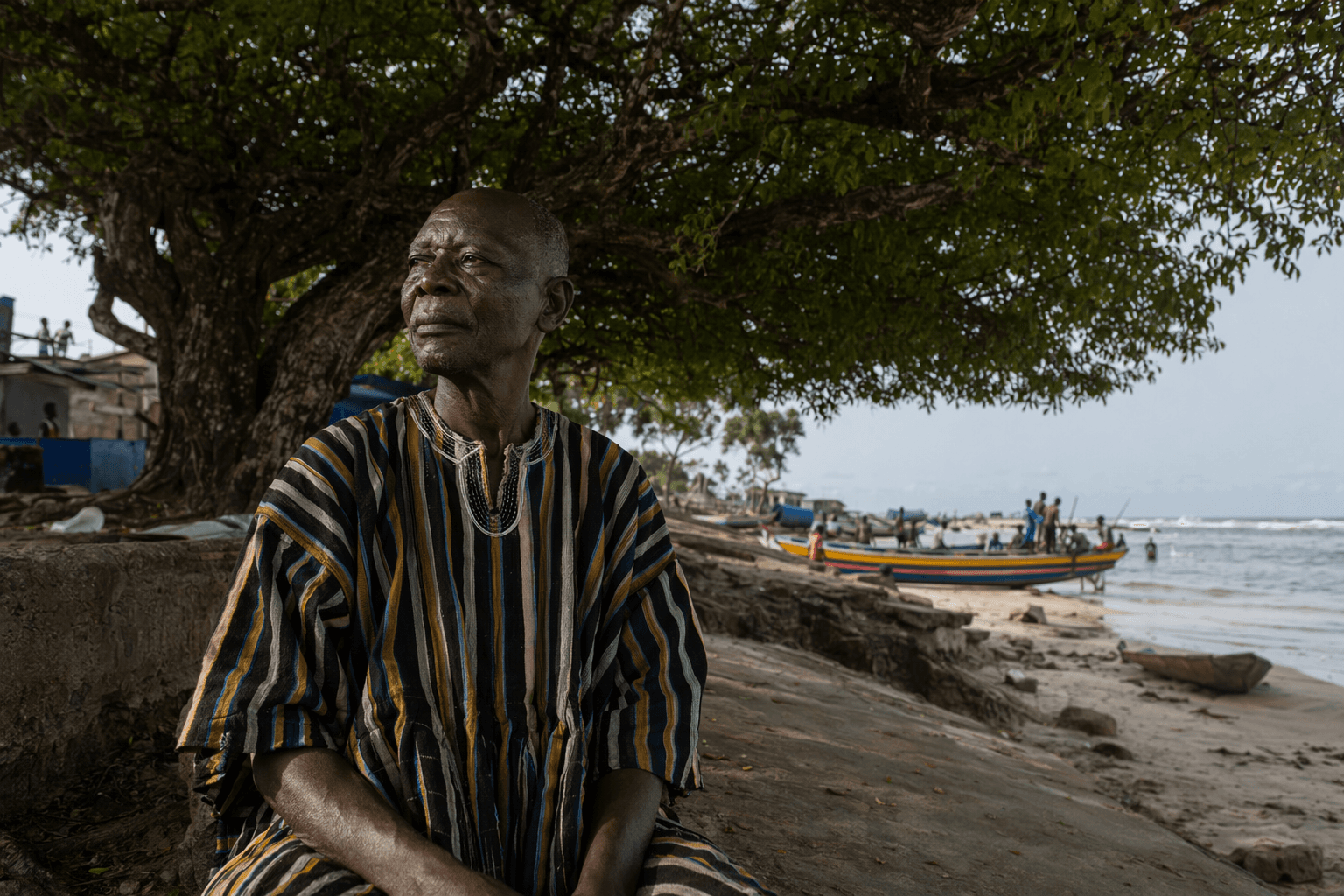
The meaning is not only private. Across Ghana, trees associated with origin stories have become part of public memory, blending history, belief and local authority. A widely known example is the kola tree at Feyiase near Kumasi, which residents long believed had been planted by the priest Okomfo Anokye more than 300 years ago. When historic trees like that are damaged or cut, reaction can extend beyond one household, drawing concern from residents, chiefs and police because the loss is understood as more than environmental vandalism.
In that way, the fishing town’s 13th-century tree stands for continuity as much as descent. It suggests that belonging is not only written in ledgers or certificates but also rooted in land, story and shared recognition. For descendants, the tree does what formal paperwork sometimes cannot: it ties family identity to a place that the community has remembered for generations.
As Ghana continues to balance customary institutions with state agencies in documenting family life, these lineage narratives remain powerful. They preserve a sense of origin that is at once historical and social, reminding communities that memory can live in a tree long after paper records are lost or never created at all.
This article was produced by Prism’s automated news system from verified source data, official records, and press releases, then run through automated quality and moderation checks before publishing. The system is built and supervised by the people who set the standards it runs under. Read our full AI policy.
Did this article answer your question?