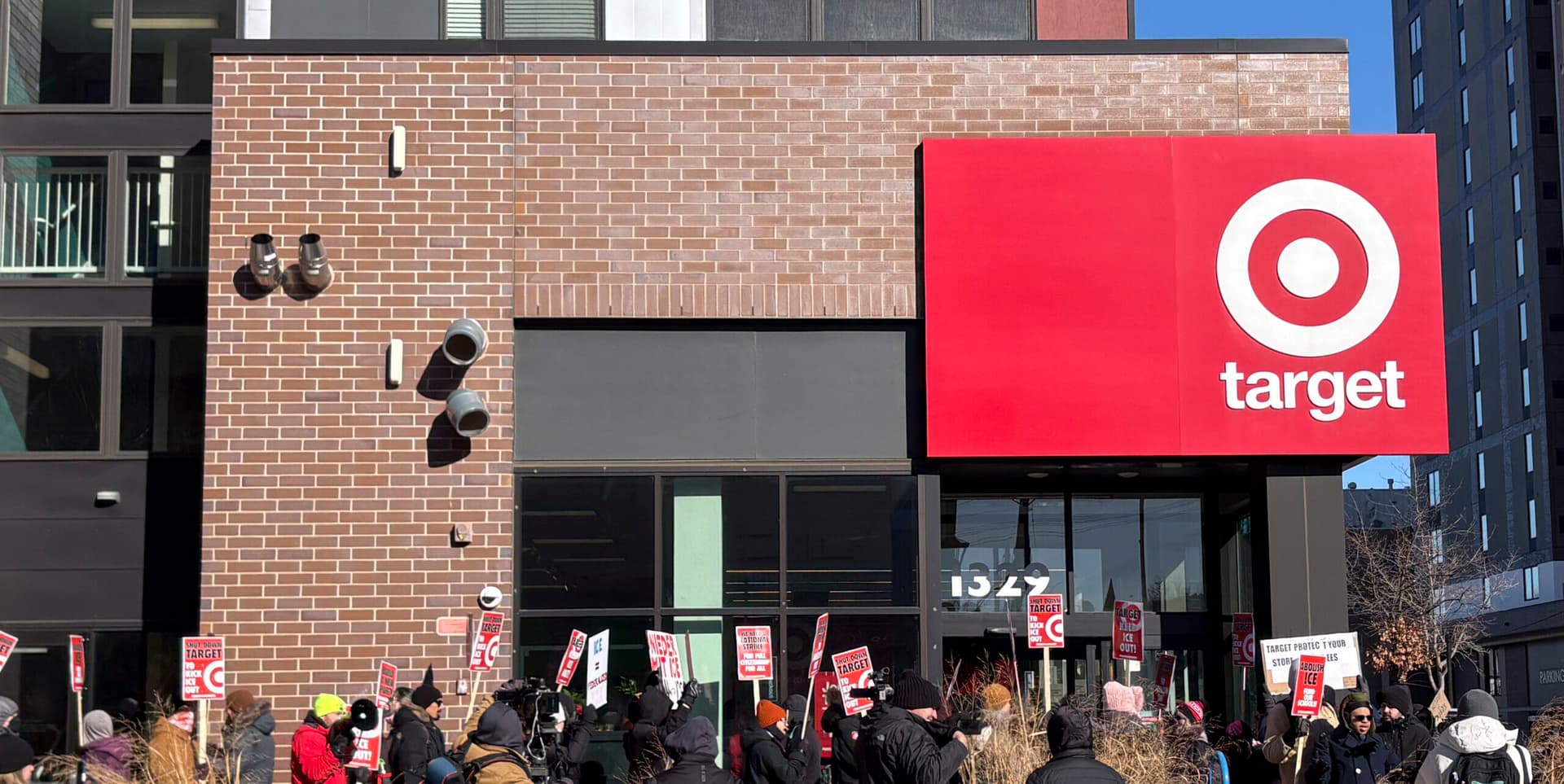
Organizer manual gives Target workers step-by-step union playbook
A comprehensive manual lays out how Target employees can organize, document unfair labor practices, and pursue recognition or NLRB elections. It matters because it helps workers protect rights and plan campaigns.
A detailed manual from RightsAtWorkWA offers Target employees and other private-sector retail workers a practical blueprint for organizing and responding to employer pushback. The resource explains what a bargaining unit is, the differences between seeking employer recognition and pursuing a National Labor Relations Board election, and the legal and illegal tactics employers commonly use.
The manual is structured as a how-to for every stage of a campaign. It walks workers through core organizing steps and provides checklists for documenting incidents and preserving evidence. It emphasizes off-the-clock conversations with coworkers, methods for coordinating with local unions and labor councils, and clear remedies and next steps if an employer interferes with organizing activity. The guide also includes procedural tools such as checklists for documenting unfair labor practices and instructions for contacting an NLRB regional office, and it is available at rightsatworkwa.org/full-manual.
Although created as a Washington-state resource, the manual’s practical organizing advice is already used nationwide by workers and advocates as a primer. For Target store teams, the manual can serve as both a primer on legal protections and a field manual for day-to-day organizing: how to set up meetings, keep records of supervisory statements or discipline, preserve texts and social media posts, and escalate complaints when interference occurs.
The existence and spread of a single, detailed resource changes workplace dynamics. Organized workers can move faster and with greater legal awareness, narrowing the advantage managers often hold in one-on-one settings. At the same time, employers may intensify responses, from mandatory meetings and communications to more formal legal challenges. That potential escalation is precisely why the manual stresses careful documentation and early engagement with union representatives or labor councils.

For employees, the guide demystifies two critical strategic choices. Seeking employer recognition can be faster but depends on convincing management to bargain voluntarily. Pursuing an NLRB election creates a formal legal process but requires meticulous preparation to withstand employer campaign tactics. The manual lays out the trade-offs and the practical steps for both paths.
What this means for Target workers is straightforward: organizing without reliable procedures leaves campaigns vulnerable to missteps and unlawful interference. The manual equips workers with checklists, documentation practices, and contact steps for NLRB regional offices so campaigns can proceed with a clearer record and defined remedies. Expect more workers to rely on these playbooks as store-level drives continue; the next phase will be whether teams convert preparation into recognized bargaining units or formal NLRB elections.
Know something we missed? Have a correction or additional information?
Submit a Tip