Outdoor vs Indoor Bonsai: Pick Species by Climate and Light Needs
Most bonsai are outdoor temperate plants that need a dormancy period; only subtropical species like Ficus or tea tree reliably thrive indoors with strong light and humidity.
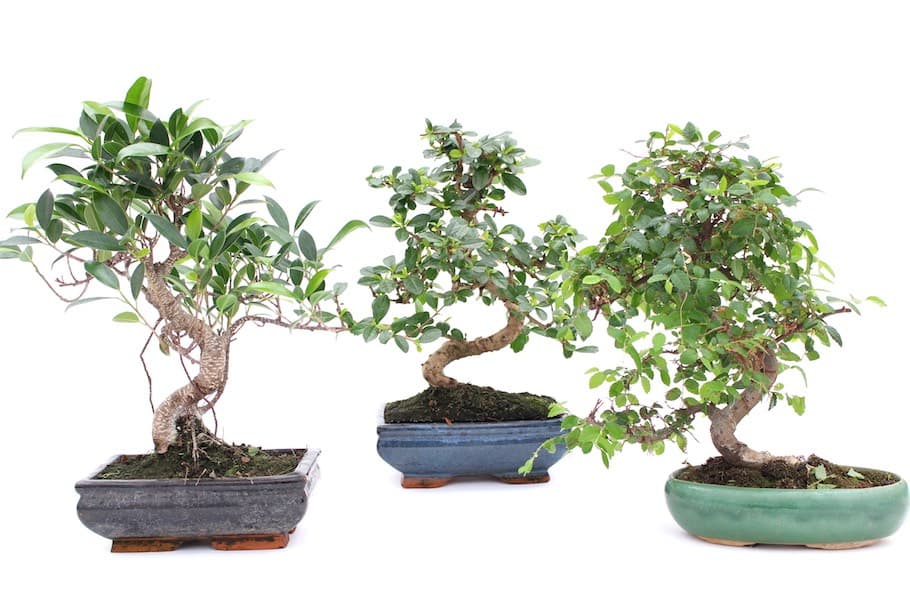
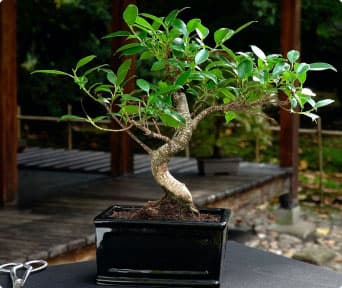
Evergreengardenworks puts the choice bluntly: “Bonsai are not houseplants. For the most part they are outdoor plants and must remain outdoors all year long.” That strong line frames a simple decision for beginners: if you live in a temperate climate, pick cold-hardy species such as juniper and pines that require a period of dormancy; if you live in a warm home or climate, choose subtropical trees like Ficus, Tea Tree, Fig Tree, Sweet Plum, or the flexible Chinese Elm.
Species selection matters down to the numbers. BonsaiWest recommends 5-6 hours of direct sunlight daily regardless of placement, and BonsaiEmpire warns that “placing an outdoor tree inside, or vice versa is a sure way to kill your Bonsai.” The Chinese Elm, BonsaiDirect notes, “makes a superb bonsai and can live both indoors and outdoors,” while Evergreengardenworks and BonsaiWest both stress that many evergreens, for example juniper, are temperate plants that need a winter rest.
Dormancy and seasonal timing determine whether a tree belongs indoors or out. Evergreengardenworks explains “this is because most bonsai are temperate climate plants that require a period of dormancy.” BonsaiWest lists practical calendars: “All Bonsai love to be outside in the warmer months (May-September),” and advises to “keep your cold-hardy Bonsai outside” from “May through mid-November.” For winter safety BonsaiWest cautions to “be careful to avoid temperatures below 20 degrees,” while tropicals “should not be allowed temperatures below 45 degrees F.”
Watering and light drive day-to-day survival. Evergreengardenworks says “Watering improperly is probably the most common problem for beginners,” and gives a clear method: “Watering should be done from the top, not by submerging the plant, and they should be watered until they are saturated. You will see water pour from the drain holes when they receive enough.” In hot weather above 80°F, Evergreengardenworks reports many growers water daily and sometimes twice a day. BonsaiWest adds that “the more sunlight and warmth your Bonsai receives, the more often it will need water.”
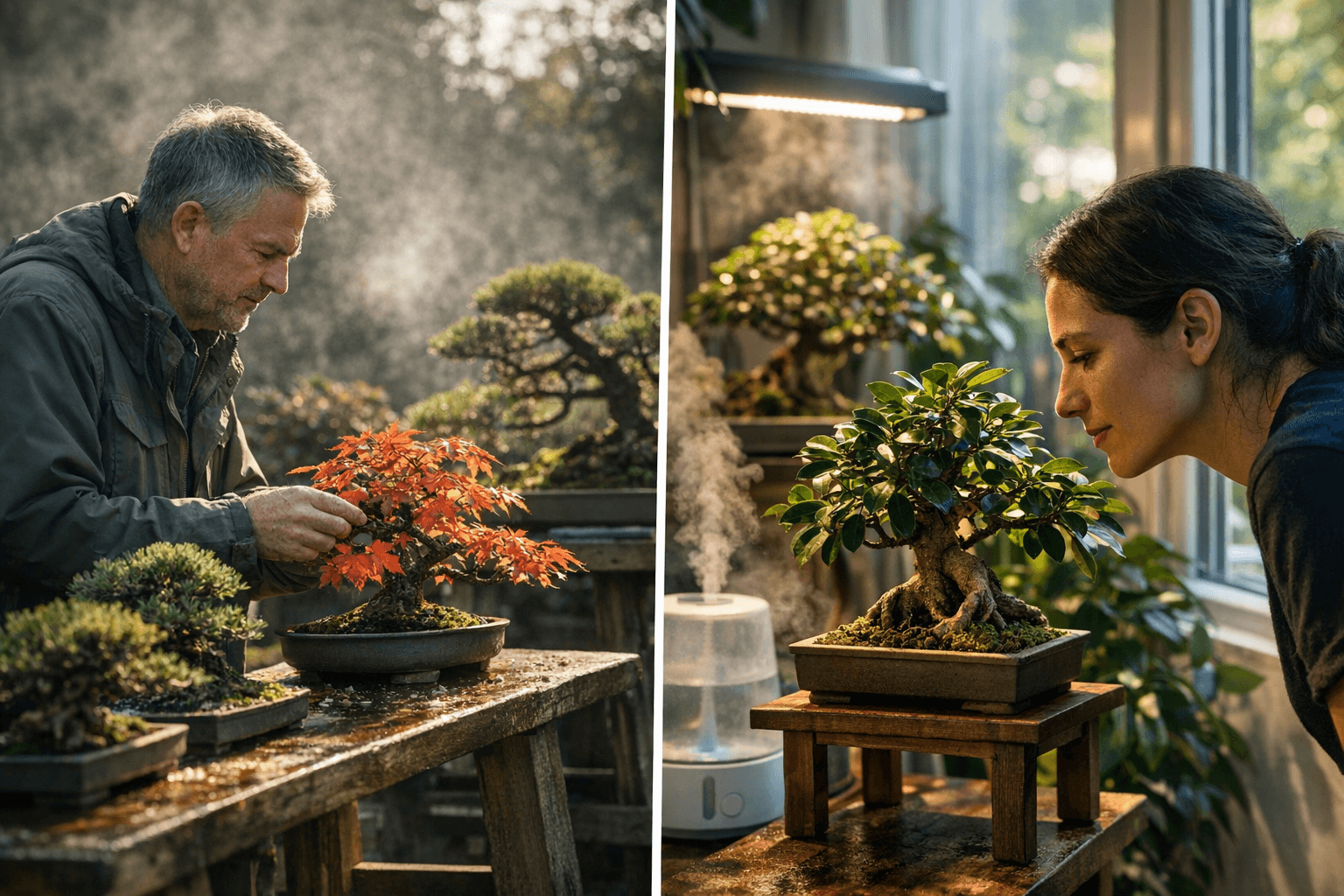
Indoor culture demands attention to humidity and feeding. BonsaiDirect notes that “in modern homes with double glazing and central heating, these trees thrive” but warns that “central heating and double glazing create dry indoor air,” so “To maintain humidity for indoor bonsai, regular misting is essential.” BonsaiDirect recommends “using a bonsai mist with foliar feed once or twice a week,” while BonsaiWest suggests a pebble tray or frequent misting. For nutrition Evergreengardenworks prescribes soluble fertilizer every two weeks during active growth and advises to “Use a fertilizer with trace elements such as Miracid or Miracle Grow at the full strength recommendation” because “bonsai soils are not very good at holding nutrients.”
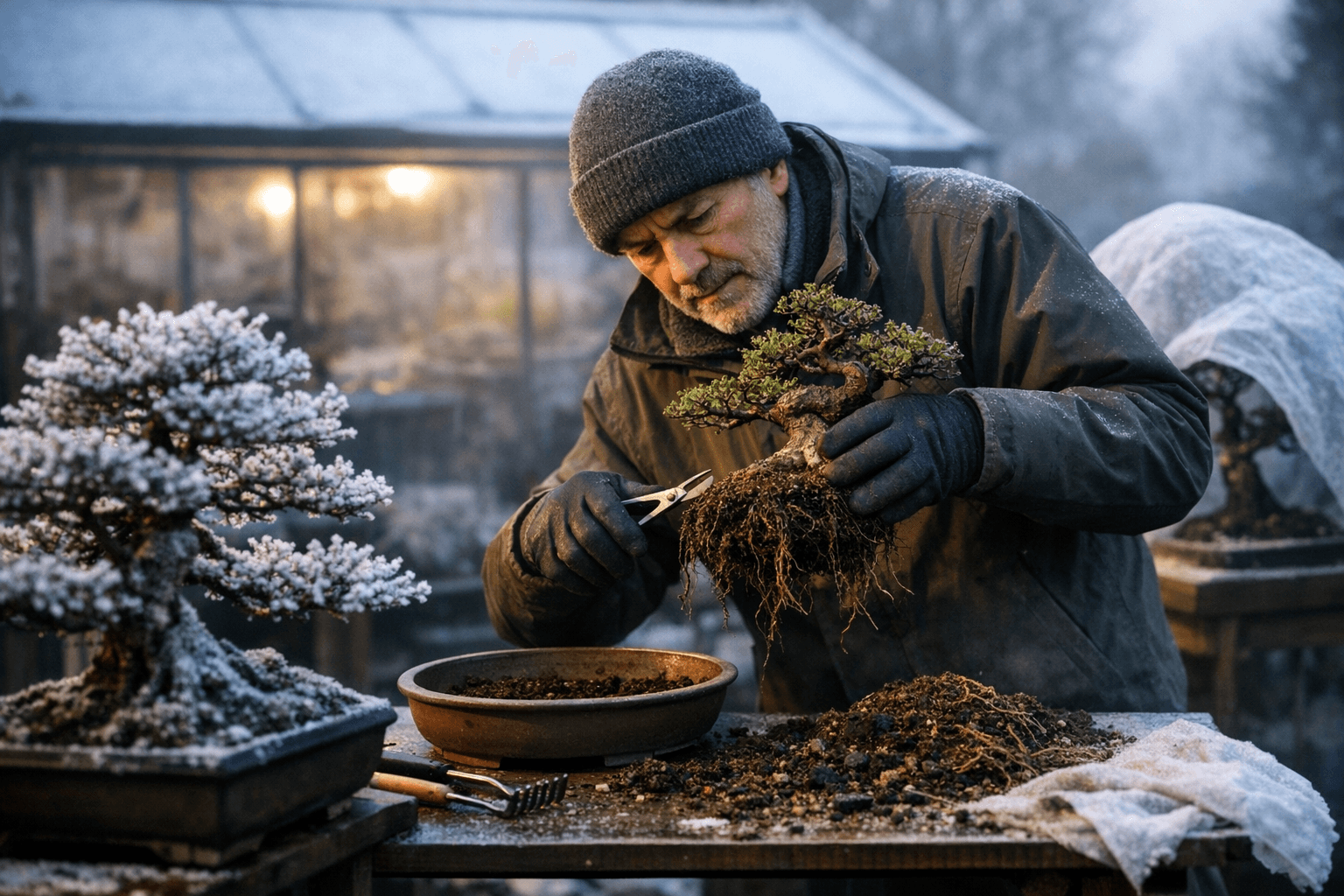
Root care, repotting, and winter protection are concrete constraints of container culture. Evergreengardenworks warns “Since the roots of outdoor bonsai are exposed, they must be carefully over wintered in cold climates to prevent the roots from reaching killing temperatures.” BonsaiEmpire points out that small shallow pots make trees “more susceptible to frost.” BonsaiWest lists protected, unheated winter locations such as a cold-frame, garage, enclosed porch, or bulkhead and offers remedies—an insulated box or added heat—if temperatures drop below safe thresholds.
If you want structured learning, BonsaiEmpire publishes staged courses with exact offerings: Beginner 17 lectures - 2,5 hour - $49.99; Intermediate 24 lectures - 3,5 hour - $69.99; Developing Deciduous Bonsai (Intermediate) 26 lectures - 10 hour - $79.99; Advanced Bonsai Course 1 (Advanced) 26 lectures - 6 hour - $84.99; Kimura Masterclass (Advanced) 14 lectures - 4 hour - $89.99. For quick practical decisions, match Ficus and other tropicals to bright indoor spots or summer outdoor exposure, and match juniper and pines to outdoor seasonal cycles where they can get dormancy, sun, and winter protection.
Know something we missed? Have a correction or additional information?
Submit a Tip