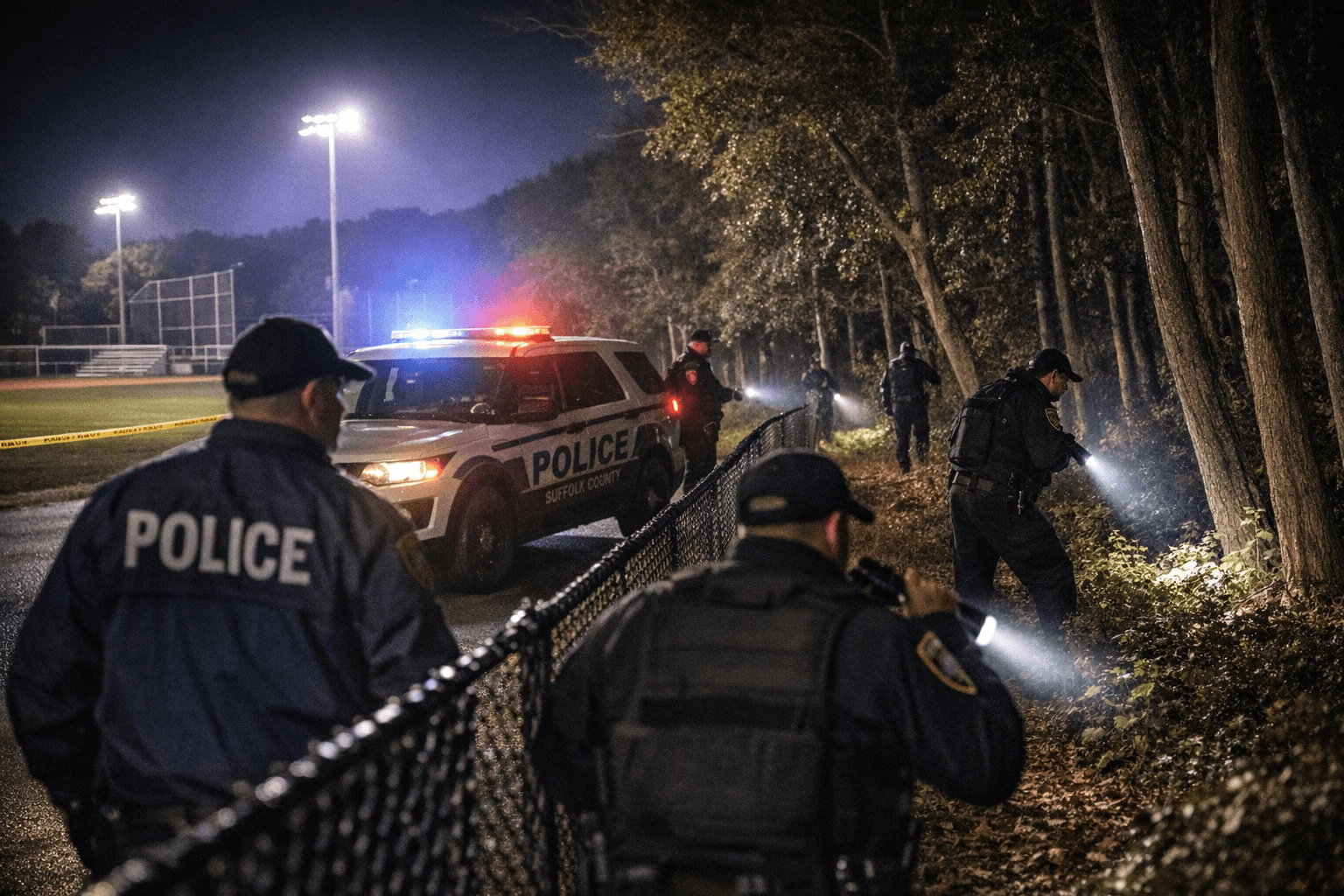
Overnight December Snow Brought Minor Travel Disruptions to Suffolk County
A late-night snow event on Dec. 26 deposited roughly 1 to 3 inches across Boston and surrounding Suffolk County communities, arriving between about 11 p.m. and 5 a.m. The light accumulation produced isolated slick spots and minor travel disruptions for late-night and early-morning commuters and highlighted recurring costs and operational strains on municipal winter-response systems.
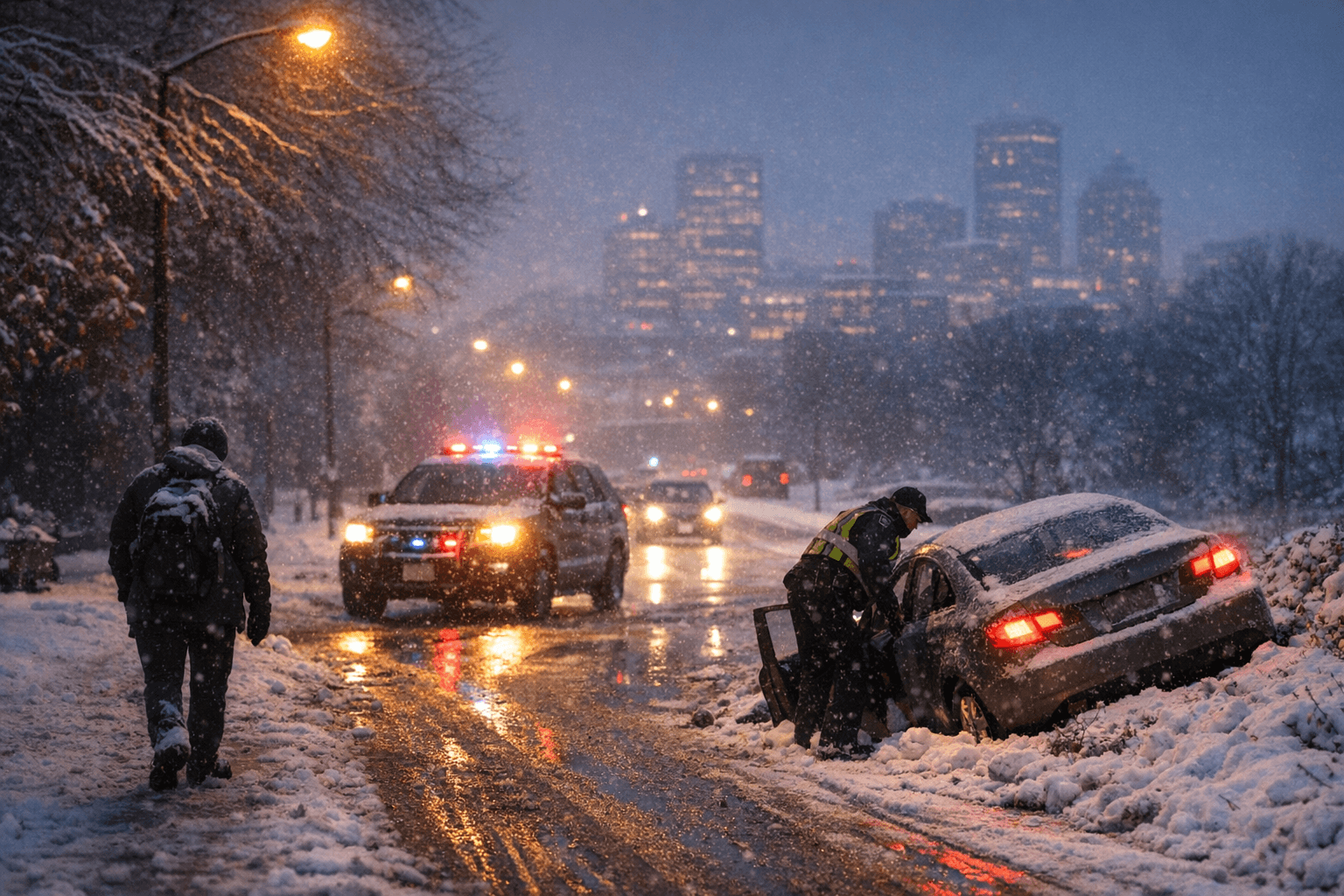
On the night of Dec. 26, a brief snow band moved through Suffolk County, leaving roughly 1 to 3 inches of accumulation in Boston and nearby communities during the overnight period cited by the National Weather Service. Timing for measurable accumulation clustered between about 11 p.m. and 5 a.m., which reduced peak traffic impacts but created slippery conditions for late-night drivers and early-morning commuters heading into work.
The meteorological scale of the event was modest, but the economic ripple is familiar: even small storms require deployment of plow crews, spread of de-icing materials and staff overtime. Those recurring operational costs are borne by city and county winter maintenance budgets, which must cover equipment fuel, salt and labor whenever pavement treatments are required. For businesses that depend on overnight logistics, such as deliveries to grocery stores and pharmacies, the event likely produced short delays even if it did not trigger wide service interruptions.
For commuters, the key effect was timing. Because the snow fell largely overnight, morning peak-period congestion was limited compared with daytime storms. Nonetheless, isolated slick spots on side streets and bridge ramps forced slower travel speeds and prompted caution among transit riders. Municipal transportation agencies and public works departments typically prioritize main arteries and transit corridors first, pushing secondary streets down the priority list, a standard practice that can leave some neighborhoods with longer periods of residual snow and ice.
Policy implications extend beyond any single storm. Small, frequent winter events accumulate costs across a season and complicate budgeting for cities already balancing multiple fiscal priorities. Municipal officials face trade-offs between maintaining large inventories of de-icing materials and equipment readiness versus containing expenses. In the medium term, variability in winter precipitation patterns, including more frequent freeze-thaw cycles and concentrated overnight events, may require adjustments in staffing models and procurement strategies to reduce per-storm costs while maintaining safe streets.
For residents, the Dec. 26 event was a reminder that even low-end snowfalls can affect travel and local services. Paying attention to overnight forecasts, allowing extra time for early commutes, and giving public works crews space to operate remain practical responses. At the municipal level, these routine events underscore the need for resilient, fiscally planned winter operations as weather variability continues to influence local transportation and budget pressures.
Sources:
Know something we missed? Have a correction or additional information?
Submit a Tip