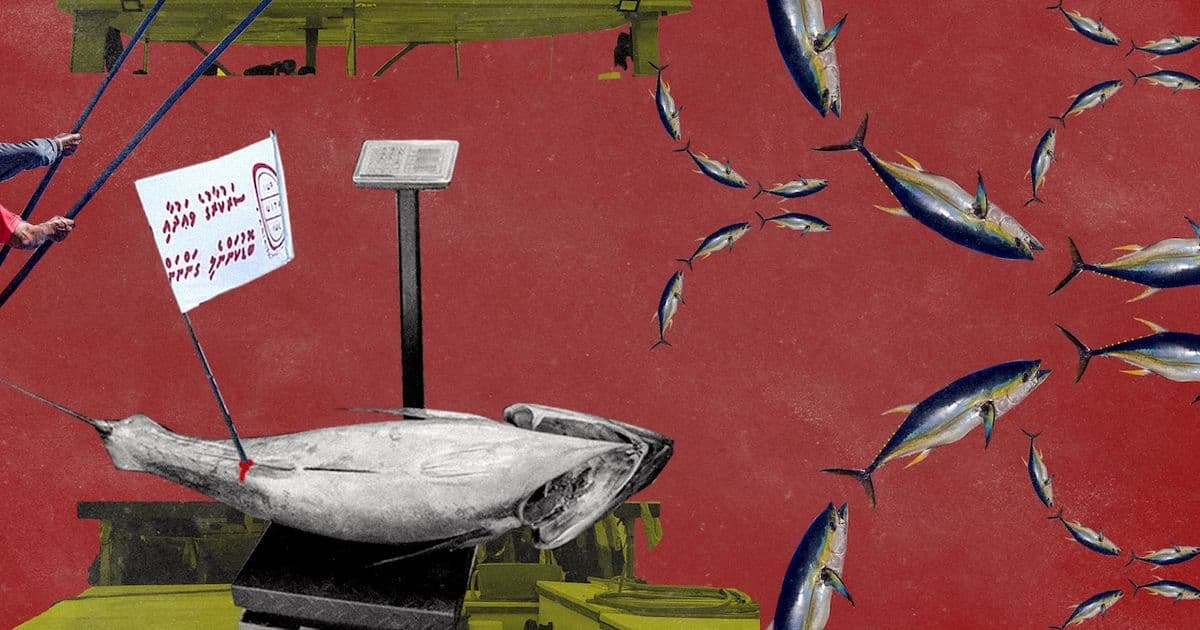
Pacific bluefin status update and what anglers need now
Pacific bluefin stock assessed as not overfished in 2024; management, gear and handling guidance affects commercial and recreational fishers.

A 2024 stock assessment found the Pacific bluefin tuna stock is not overfished, a finding that carries direct implications for commercial operators and the recreational fleet chasing these fish. Management remains a multi-jurisdictional effort, and practical steps on gear use, handling, and reporting will shape how local anglers and small-boat captains pursue bluefin this season.
Pacific bluefin occupy a wide Pacific distribution and are targeted by both commercial and recreational fisheries. Commercial fleets typically employ purse seine methods, while many charter boats and private anglers rely on hook-and-line techniques and the occasional harpoon for larger specimens. Harvest and landings trends help managers set limits and seasons; those management outcomes have guided recent adjustments and continuing international coordination.
International bodies that oversee tuna conservation play a central role in quota and effort controls, and domestic regulations under U.S. law translate those decisions into seasons, size limits, and reporting requirements for U.S. fishers. Habitat and bycatch information informs gear restrictions and best practices aimed at reducing impacts on non-target species. For anyone on the water, that means paying attention to gear choices and deployment - how you set up your hooks, baits, and lines matters both for catch success and bycatch reduction.
Seafood and market factors also matter to the community. Market demand influences fishing effort and port landings, and safe handling on deck affects quality and value when fish hit the dock. Practical handling guidance and regulatory steps intended to protect the rebuilding trajectory are aimed at keeping fish healthy for release when you’re not keeping them, and preserving the premium quality for market when you are.
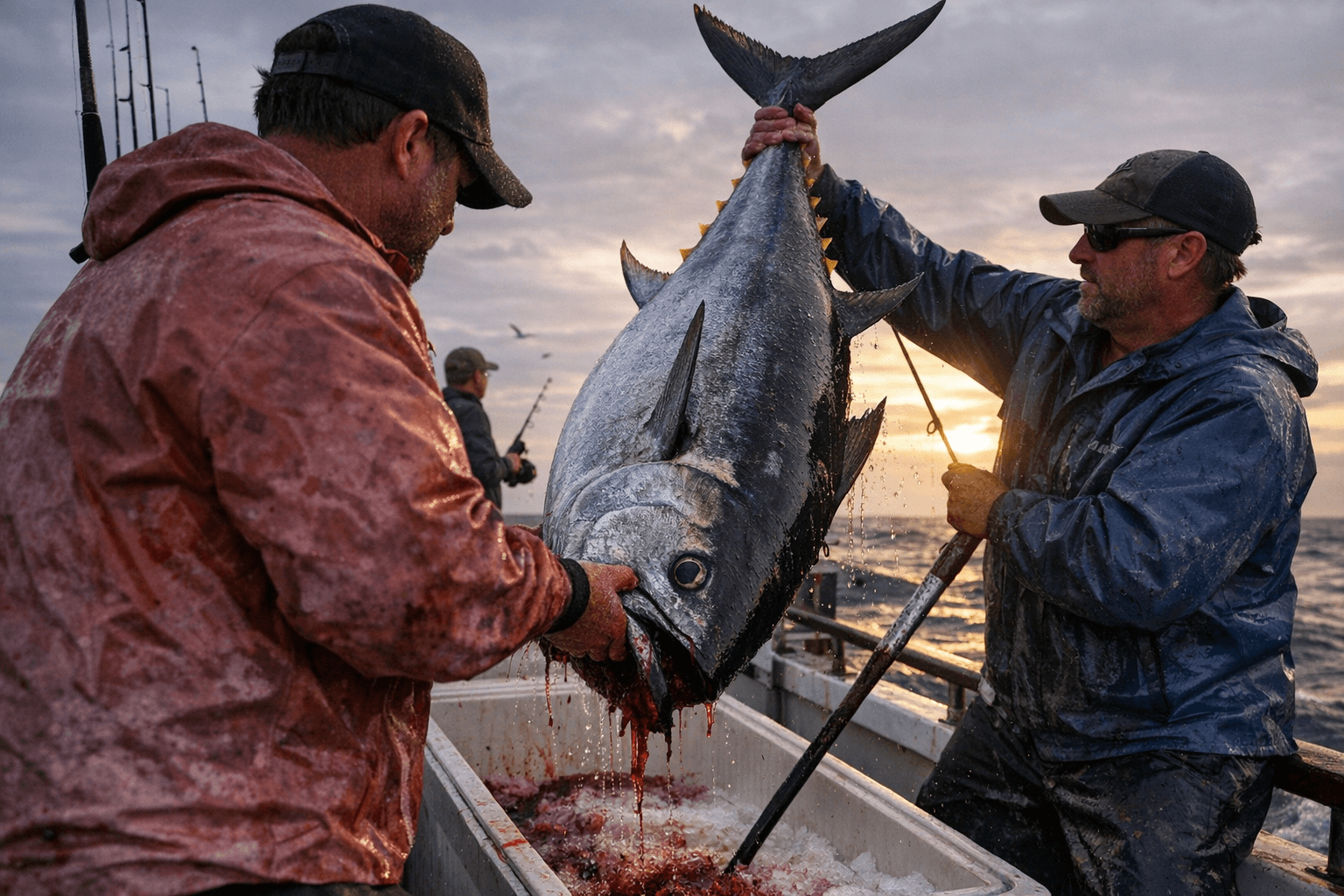
This is not just a management briefing; it’s local practice. Check your vessel paperwork, ensure you’re following reporting and handling protocols, and be aware of the gear types that are favored - and restricted - in different fisheries. Pay attention to bycatch mitigation measures and deck-level handling tips to maximize survival for released fish and meat quality for retained fish.
Our two cents? Treat this status update as a green light with conditions: the stock isn’t overfished, but sustained rebuilding and good seasons depend on how you fish. Verify your local rules, rig for selective hook-and-line methods when possible, prioritize proper handling and quick release, and log your landings accurately. Do that and you help keep bluefin on the bite for years to come.
Sources:
Know something we missed? Have a correction or additional information?
Submit a Tip