Paige McClanahan urges rethinking tourism as global travel surges again
Global travel has nearly fully rebounded, and Paige McClanahan says the real test is whether destinations can shape tourism before visitors overwhelm them.
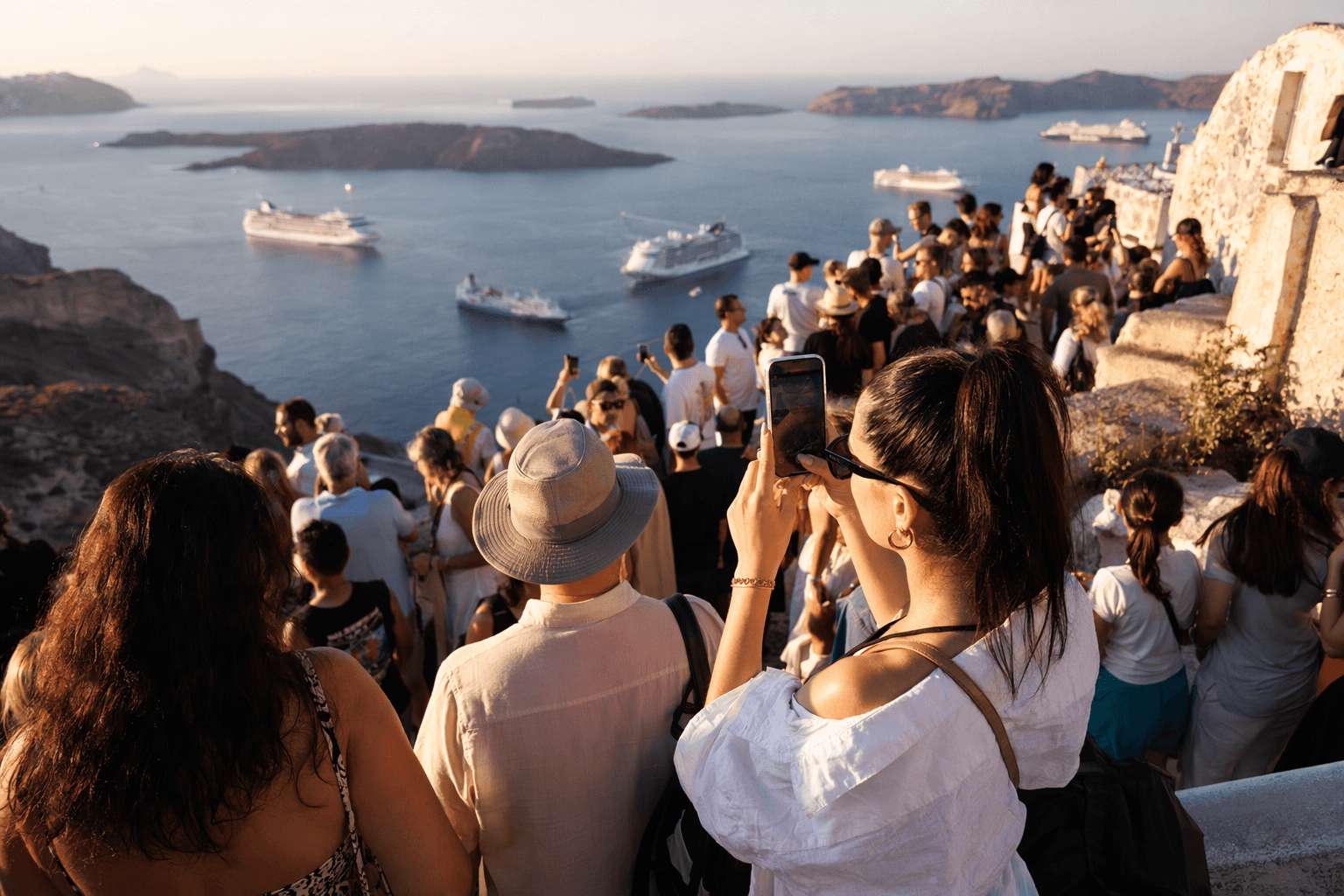
Paige McClanahan’s argument lands at a moment when tourism is no longer crawling back from the pandemic but surging again. UN Tourism said about 1.1 billion people traveled internationally in the first nine months of 2024, putting the sector at 98% of pre-pandemic levels, and later said international arrivals rose 5% in January-September 2025 from a year earlier, with more than 1.1 billion tourists crossing borders through September.
That rebound is why McClanahan’s book, The New Tourist: Waking Up to the Power and Perils of Travel, published by Scribner in 2024, reads less like a travel memoir than a policy brief for a crowded world. McClanahan, an American journalist based in France who has reported from more than a dozen countries and regularly contributes to The New York Times, is pressing a bigger question than where people should go next: who gets to decide what tourism is for. In her framing, the old model treated visitors as an economic force to be absorbed. The new one treats tourism as a social relationship that can either broaden understanding or strain the places that receive it.
The stakes are economic as much as cultural. UN Tourism has said visitor spending was growing even faster than arrivals in 2024, a shift that can lift jobs, small businesses, tax revenues and balance-of-payments positions. That helps explain why destinations keep courting travelers even as residents push back against the costs.
Hawaii has been one of the clearest tests of that tension. In July 2021, Hawaii tourism officials approved a three-year plan to reduce visitor pressure on Oahu. The plan called for controlling accommodations, exploring zoning and airport policy changes, creating a regenerative tourism fee, setting up reservation systems for natural and cultural sites, managing car use and encouraging purchases of locally produced goods. It was an admission that more arrivals do not automatically mean better outcomes.
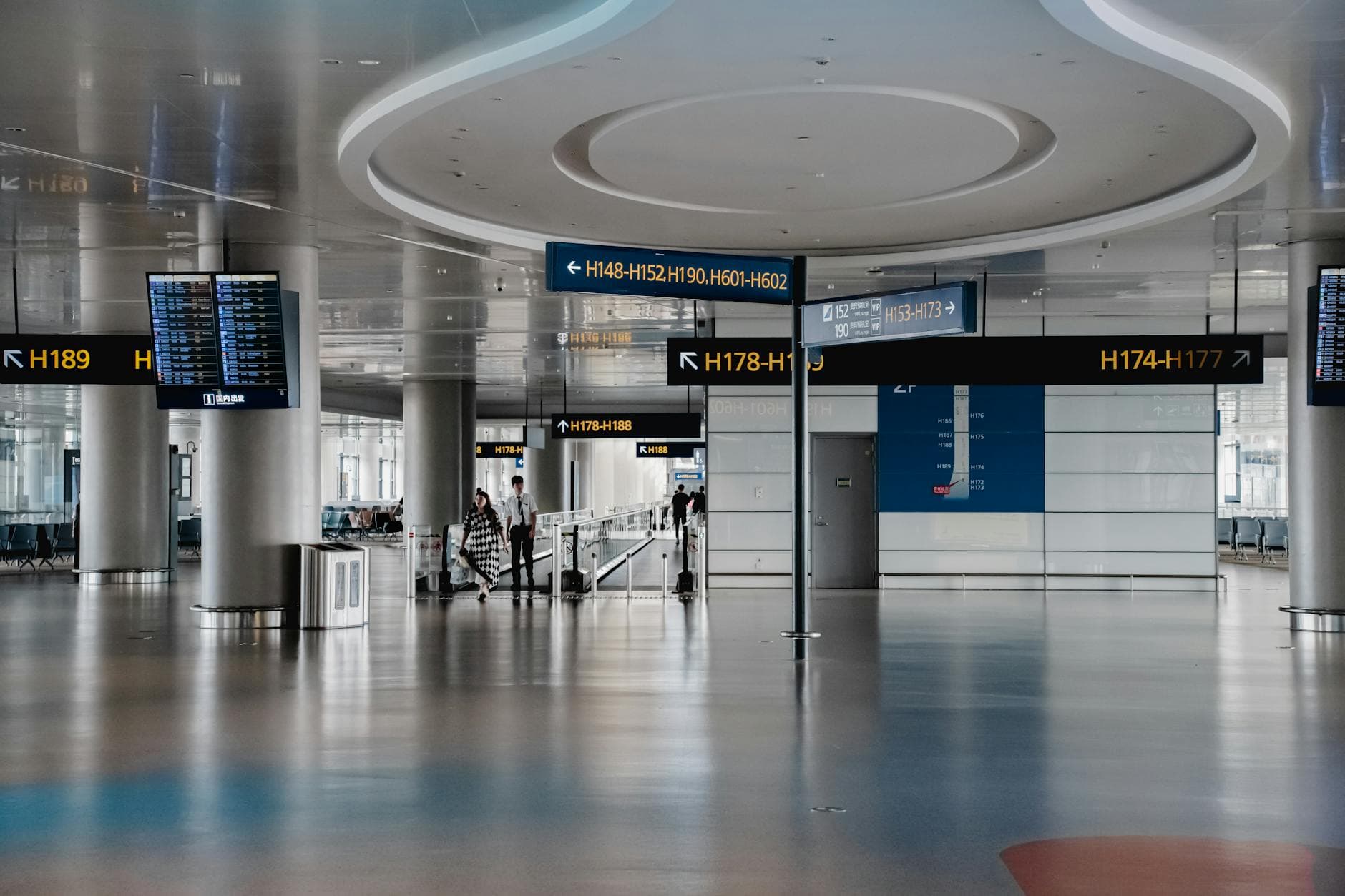
The same debate has spread well beyond the islands. A 2026 Travel Weekly panel in Asheville, North Carolina, underscored how communities are no longer content to be passive backdrops for visitor growth. Cities such as Chicago, New York City, Hawaii and Asheville have all been forced to rethink tourism after crises or rapid expansion, with community input increasingly treated as essential rather than optional.
McClanahan’s case is not that travel should shrink away. It is that “better tourism” has to be designed, not assumed. As international arrivals recover and spending climbs, the question for destinations is whether they can keep the jobs while reducing the crowding, cultural strain and resident backlash that unchecked growth keeps producing.
This article was produced by Prism’s automated news system from verified source data, official records, and press releases, then run through automated quality and moderation checks before publishing. The system is built and supervised by the people who set the standards it runs under. Read our full AI policy.
Did this article answer your question?