Reggie Fils-Aimé says Nintendo quit Amazon over illegal price demands
Reggie Fils-Aimé said Amazon once demanded Nintendo help it slash prices below Walmart, a clash that now looks like an early Big Tech pressure tactic.

Reggie Fils-Aimé says Nintendo cut Amazon off in the Nintendo DS era because the retailer wanted help pushing prices below Walmart’s, a demand he said crossed into illegal territory. In a lecture at New York University, the former Nintendo of America president described an Amazon executive asking for an "obscene amount" of financial support so Amazon could become a bigger video-game seller and undercut Walmart on price.
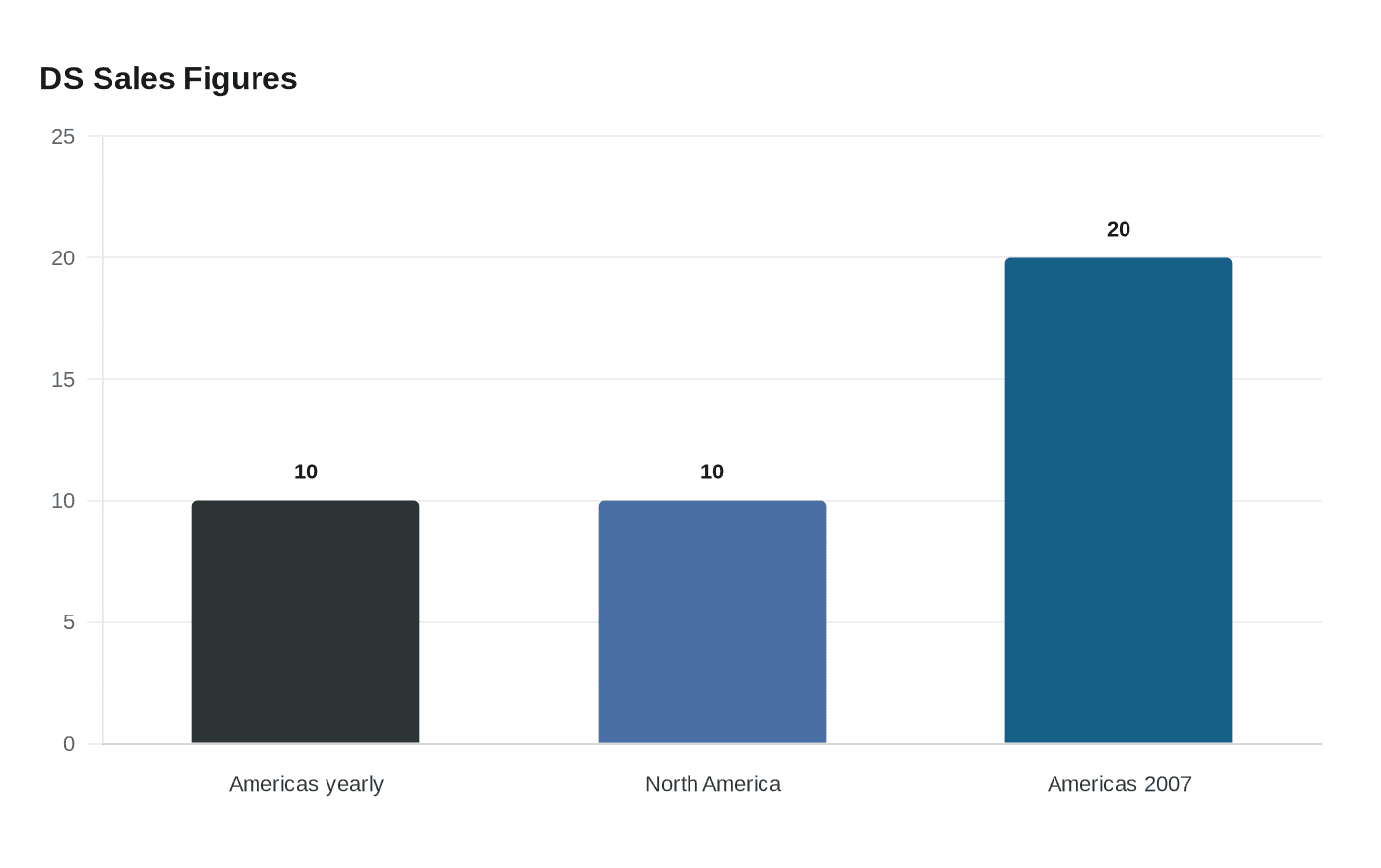
Fils-Aimé said he refused because the arrangement would have put Nintendo at odds with other major U.S. retailers and could have violated the law. His account places the rupture in the late 2000s, when Nintendo was selling about 10 million DS systems a year in the Americas and the handheld had already passed 10 million units sold in North America by January 2007. A Nintendo financial briefing later said DS sales in the Americas were above 20 million units cumulatively by the end of 2007, a sign of how much leverage Nintendo still held over the distribution of one of the era’s hottest products.
The episode sheds light on the bargaining power that dominant platforms were beginning to exert over suppliers as e-commerce scaled up. Amazon was no longer just a storefront; it was a gatekeeper with enough traffic and pricing power to push for concessions that could reshape how products were sold across retail channels. Fils-Aimé’s account suggests Nintendo viewed that pressure as more than hardball negotiation, instead seeing a line where aggressive discounting could distort competition and force a manufacturer to choose between channels.

The dispute did not end there. In June 2025, Bloomberg reported that Nintendo had pulled its products from Amazon’s U.S. storefront again, this time after unauthorized third-party sellers were offering Nintendo games and hardware at prices below Nintendo’s advertised rates. The report said those sellers were sourcing products in Southeast Asia and reselling them in the United States, and that Amazon had offered to add authenticity labels, which Nintendo did not accept. Both companies denied the report, but the absence of Nintendo products on Amazon U.S. still affected the Switch 2 launch, which Bloomberg described as the biggest console debut of all time.
Taken together, the two clashes show how the Amazon-Nintendo relationship has long sat in the gray zone between tough commercial negotiation and conduct that can look anti-competitive. Fils-Aimé’s account adds a missing early chapter to a rivalry that has helped shape how U.S. consumers buy Nintendo products online and how much control powerful platforms can try to exert over the prices seen by shoppers.
This article was produced by Prism’s automated news system from verified source data, official records, and press releases, then run through automated quality and moderation checks before publishing. The system is built and supervised by the people who set the standards it runs under. Read our full AI policy.
Did this article answer your question?

