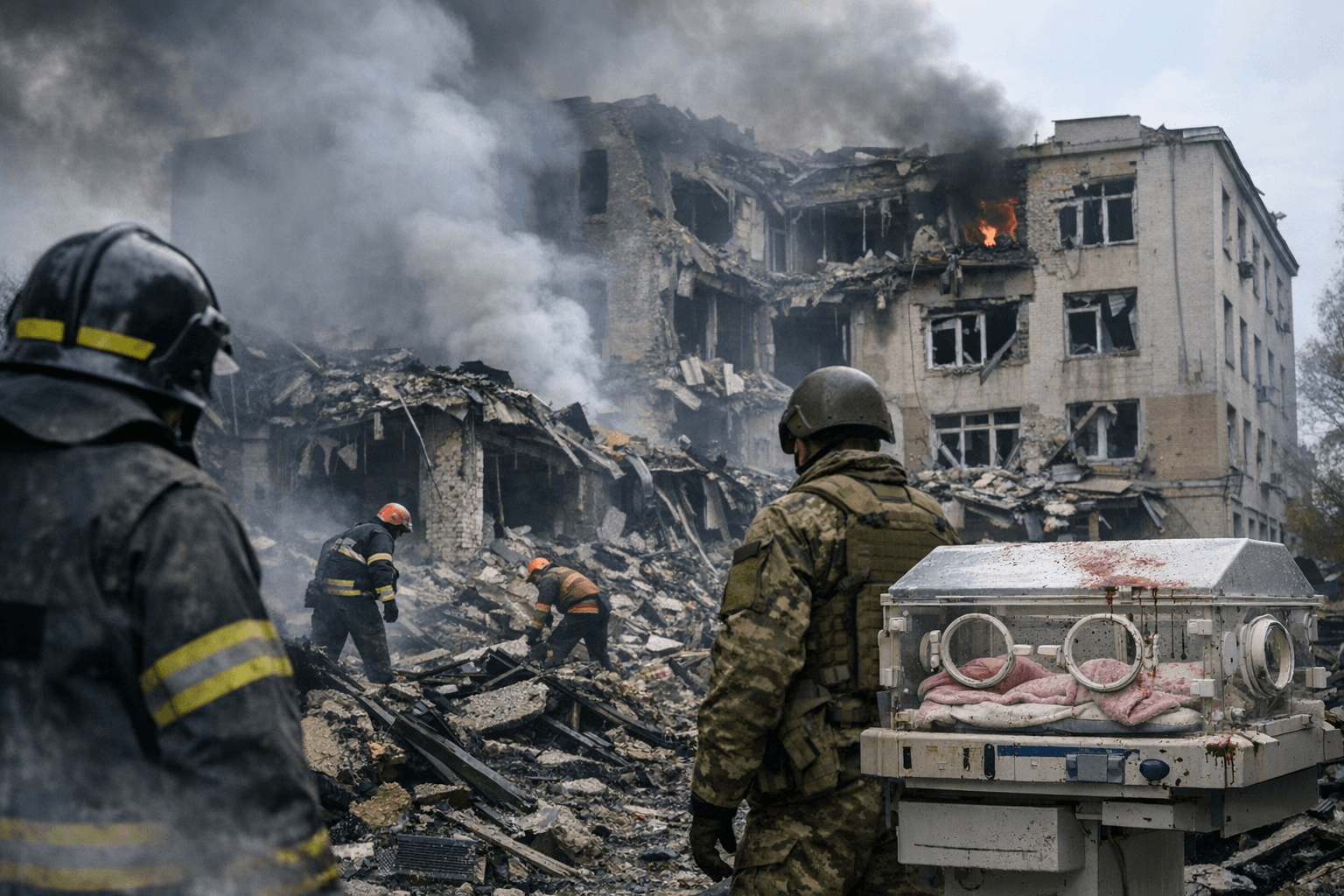
Pakistan Offers to Host US-Iran Talks to End Middle East Conflict
Trump reposted Pakistan's offer to host US-Iran war talks after army chief Asim Munir called him Sunday, but Tehran denies any negotiations are underway.
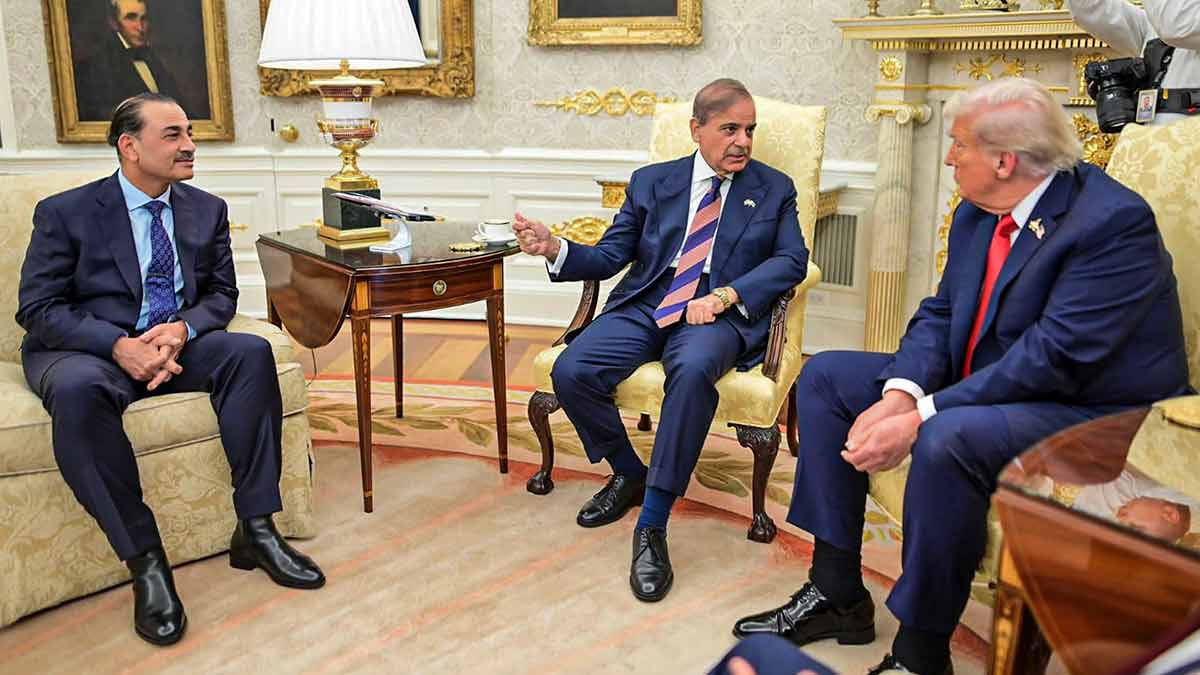
Pakistani Prime Minister Shehbaz Sharif posted on X Tuesday declaring Pakistan "stands ready and honoured to be the host to facilitate meaningful and conclusive talks for a comprehensive settlement of the ongoing conflict" between the United States and Iran, formalizing a back-channel push that Islamabad had been running quietly for days.
The announcement followed two confirmed phone calls: army chief Field Marshal Asim Munir spoke with President Trump on Sunday, and Sharif called Iranian President Masoud Pezeshkian a day later. In that call, Sharif "underscored the urgent need to work collectively for de-escalation and a return to dialogue and diplomacy," according to a readout from Pakistan's Foreign Affairs Ministry. Trump appeared to endorse the overture by reposting Sharif's offer on his Truth Social account.
Pakistan has been involved in diplomacy to end the Iran conflict since it started, including shuttling at least half a dozen messages between the U.S. and Iran, according to five official Pakistani sources. Before Sharif confirmed the offer publicly, one Pakistani source and a foreign source said officials from both countries could hold talks in Islamabad as soon as the end of this week. An Israeli official told NPR that planning was already underway for talks in Pakistan later this week, though the official spoke on condition of anonymity.
The architecture of Pakistan's credibility as a mediator is built on relationships that are genuinely rare in this conflict. Qamar Cheema, executive director of the Islamabad-based Sanober Institute, told NPR that Pakistan has been facilitating negotiations since Foreign Minister Ishaq Dar visited Saudi Arabia alongside regional counterparts last week, and that U.S. envoy Steve Witkoff "has a direct connection" to Munir. Munir built a close relationship with Trump to repair years of mistrust, and Pakistan joined Trump's Board of Peace after Munir flew to Davos to meet Trump in January. On the Iranian side, Iran's new supreme leader, Mojtaba Khamenei, referenced Pakistan in a message marking the Persian New Year, Nowruz, saying he had "a special feeling" towards its people.
Intermediaries including Pakistan, Egypt, and Turkey have been relaying messages between the parties and are playing a role in efforts toward de-escalation. Egyptian Foreign Minister Badr Abdelatty held separate calls with Witkoff and Iranian Foreign Minister Abbas Araghchi on Sunday, alongside the foreign ministers of Pakistan, Turkey, and Qatar.
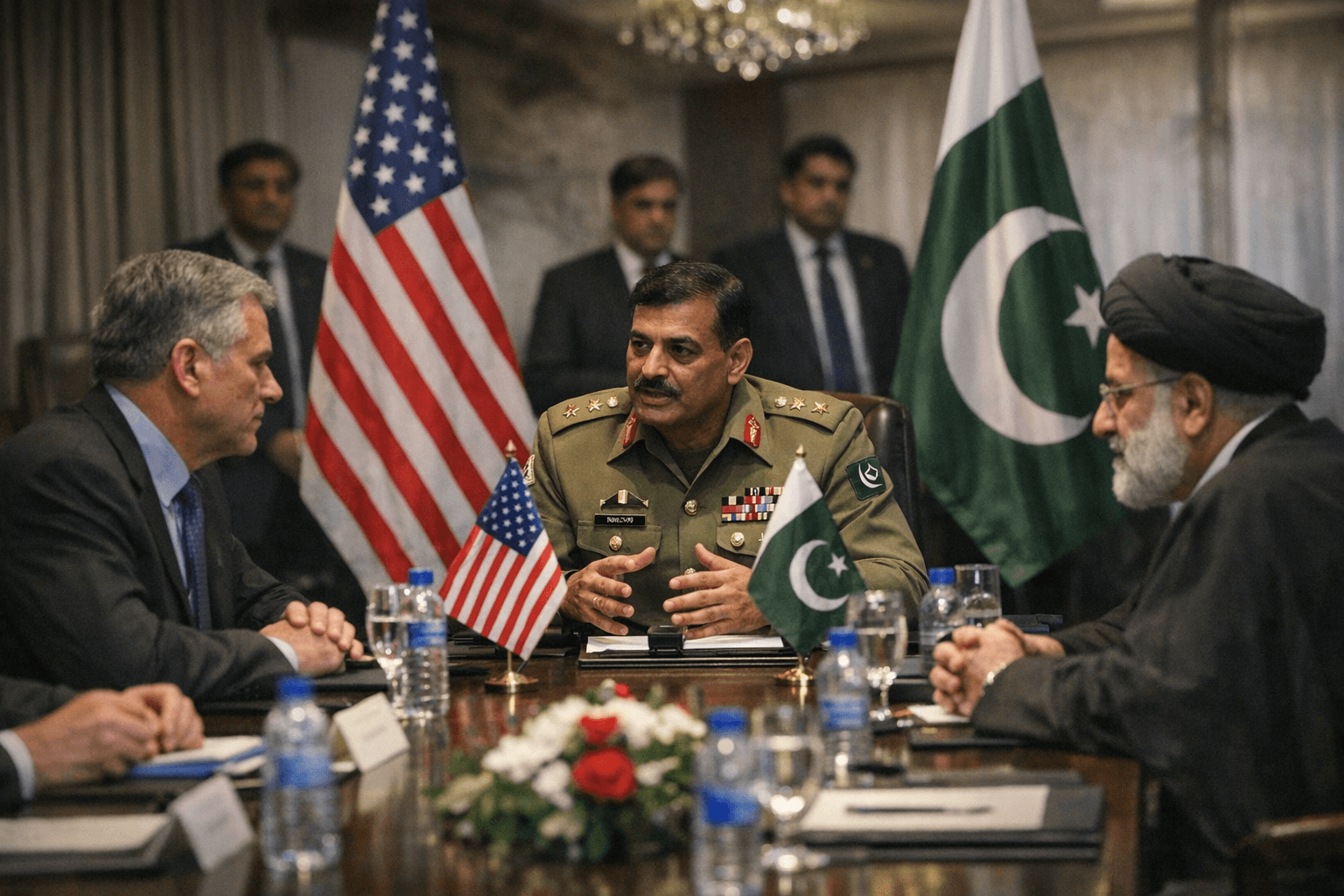
The diplomatic maneuvering collides with contradictory public statements from Washington and Tehran. Trump suggested the Iran war could be heading toward a diplomatic off-ramp, describing ongoing negotiations with Iranians in positive terms on social media and to reporters Monday. Trump claimed the U.S. and Iran had already reached "major points of agreement," suggesting tentative steps toward de-escalation. Iran categorically denied that it is engaged in any talks with the U.S., contradicting Trump. Iran's Foreign Affairs Ministry spokesperson Esmaeil Baghaei confirmed that messages had arrived through "friendly countries" conveying a U.S. request for negotiations, but said Iran had responded according to "the country's principled positions."
The five-day pause Trump announced on planned strikes on Iranian energy infrastructure offered oil markets a brief reprieve after days of volatility, but it did nothing to halt the fighting. The Israeli military said Iran fired missiles at Israel at least eight times on Tuesday, with impacts reported in at least four sites; at least six people were injured in Tel Aviv, according to Israeli health officials. Israeli police estimated one Iranian missile contained a warhead with about 220 pounds of explosives. Israel has signaled its military operations against Iran will continue regardless of diplomatic developments.
Pakistan is joining a growing list of countries acting as go-betweens for the United States and Iran, with two sources telling NBC News that an in-person meeting could be held in the coming days in Islamabad. If talks happen, it could raise Pakistan's global prominence to heights not reached since Pakistan helped mediate the secret diplomatic opening that led to President Nixon's visit to China in 1972.
The picture emerging from analysts and officials is one of tentative but fragile diplomatic movement, significant enough to pause some military activity but not yet amounting to substantive negotiations. Whether Islamabad becomes the venue where that gap closes remains, as of Tuesday, an open question.
Sources:
Know something we missed? Have a correction or additional information?
Submit a Tip