Pakistan races to salvage U.S.-Iran talks as ceasefire nears expiration
Pakistan scrambled to keep U.S.-Iran talks alive as a two-week ceasefire neared its end, with war set to resume if diplomacy stalled.
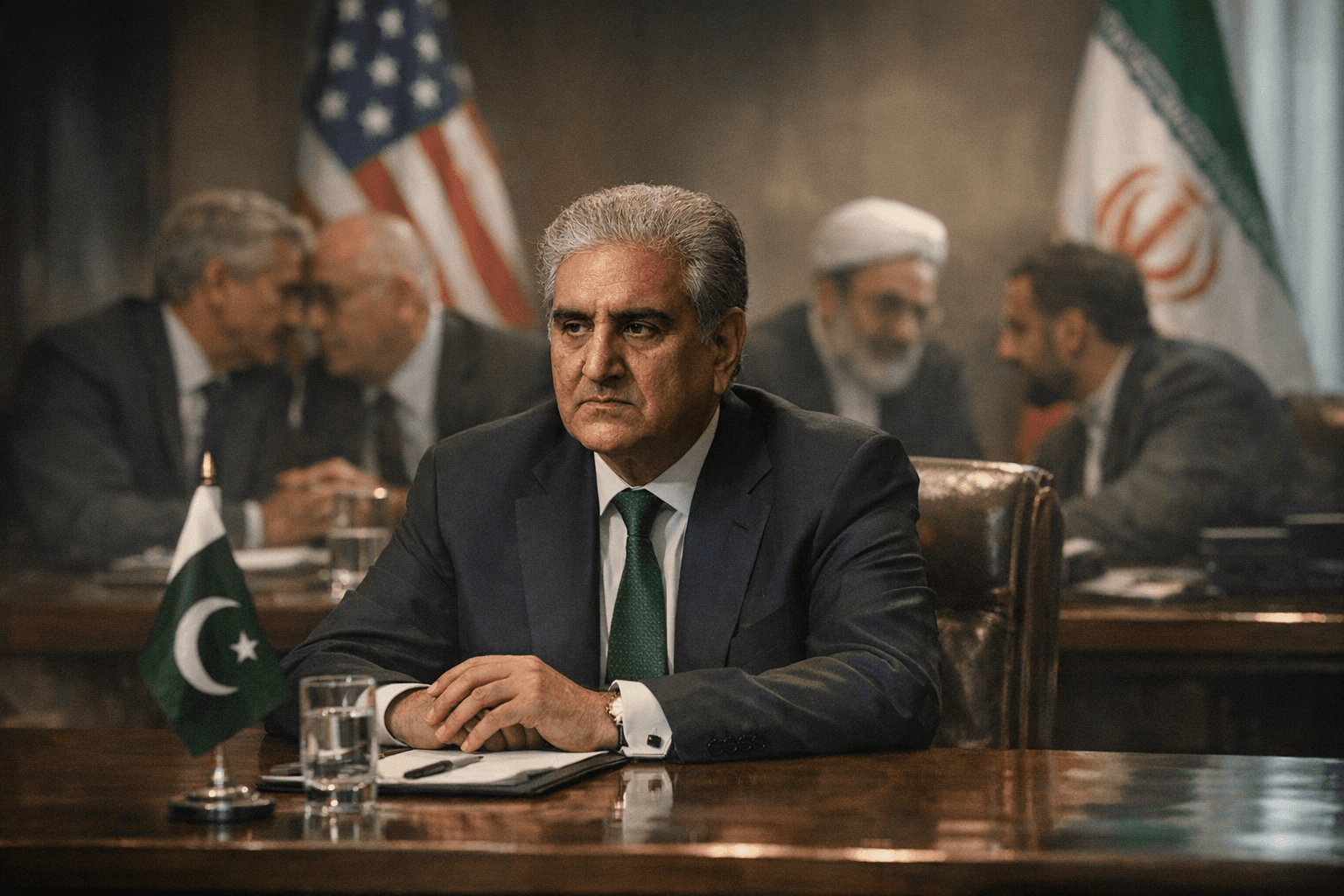
Pakistan pushed urgently to keep U.S.-Iran talks alive in Islamabad as a two-week ceasefire neared expiration and the war threatened to start again. The stakes were immediate: if the pause lapsed before negotiators returned to the table, the conflict could quickly spill back into open fighting around the Strait of Hormuz, one of the world’s most sensitive energy corridors.
The talks were still unsettled just a day before President Donald Trump’s latest ultimatum expired. It was unclear whether top Iranian officials would come to Pakistan at all, even as U.S. officials prepared for a new round of negotiations. Vice President JD Vance was expected to lead the American team to Islamabad, though his departure timing had not been confirmed.
Iran’s public posture remained hard. Iranian state media said there were no plans for the next round of talks, and Iranian Foreign Ministry spokesperson Esmaeil Baqaei said Tehran had made no decision on whether to participate. Iranian officials have argued that the United States must lift its blockade of Iranian ports before meaningful negotiations can resume, turning the blockade itself into the central bargaining chip.
Washington, meanwhile, has kept pressure on Tehran at sea. The United States seized an Iranian-flagged vessel after it tried to evade the naval blockade near the Strait of Hormuz, a narrow passage that normally carries about one-fifth of the world’s oil. That makes every military move there a potential market shock, especially if retaliatory strikes widen the conflict or threaten tanker traffic and gas shipments.
Pakistan has been trying to preserve what officials have started calling the Islamabad Process, an effort to turn crisis talks into a continuing channel between the two sides. Islamabad has stayed in active contact with both Washington and Tehran and, according to senior Pakistani officials, received a positive signal from Iran. Pakistan’s diplomatic push has been carried out under direct instructions from Prime Minister Shehbaz Sharif and Army Chief Field Marshal Asim Munir.
The country’s leverage is procedural rather than military: it is one of the few capitals still talking to both sides, and it hosted a marathon session last weekend that ended without an agreement. That leaves Pakistan racing the clock, trying to prevent the ceasefire from expiring into another round of war while Washington and Tehran test how much pressure each side can still absorb.
This article was produced by Prism’s automated news system from verified source data, official records, and press releases, then run through automated quality and moderation checks before publishing. The system is built and supervised by the people who set the standards it runs under. Read our full AI policy.
Did this article answer your question?


