Pakistan relays revised Iran proposal to U.S. as talks stall
Pakistan carried a revised Iranian proposal to Washington as mediation stalled, with Tehran and the U.S. still split over enrichment, Hormuz and the wider war.

Pakistan has become the middleman in a diplomacy track that is narrowing by the day. Islamabad relayed a revised Iranian proposal to the United States as negotiators tried to keep a fragile U.S.-Iran channel alive, but the core disputes remained unresolved and time appeared to be slipping away.
The effort grew out of high-level talks Pakistan hosted in Islamabad on April 11-12, 2026, and continued through later rounds and message exchanges. A Pakistani source said both sides were still shifting their positions, warning that the negotiators “keep changing their goalposts.” That intermediary role has placed Pakistan at the center of talks that now depend less on direct trust between Tehran and Washington than on Pakistan’s ability to carry messages between them.
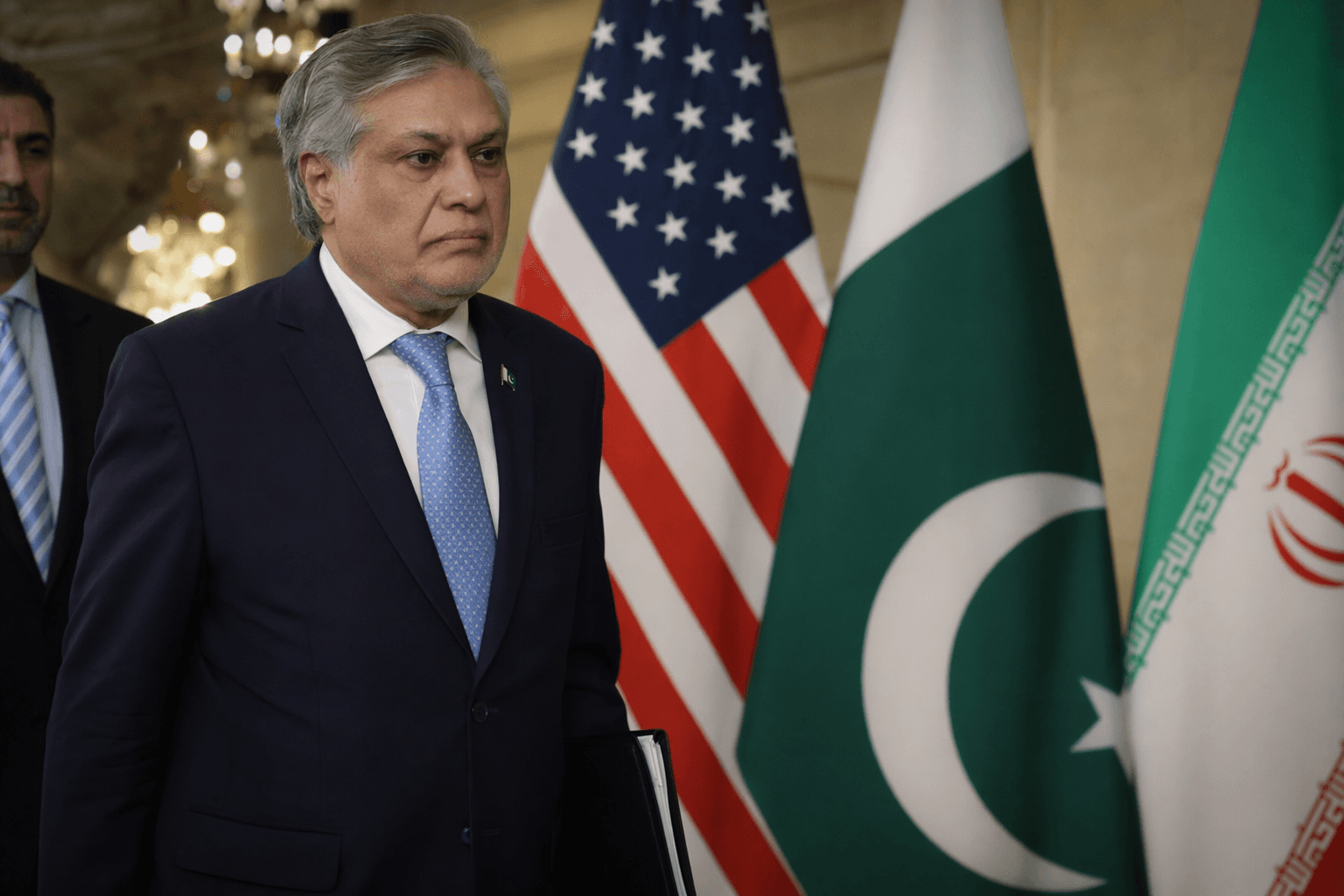
Iranian Foreign Ministry spokesperson Esmaeil Baghaei confirmed that Tehran’s views had been conveyed to Washington through Pakistani mediation. He said negotiations with the United States were continuing through that channel and made clear that Iran’s right to uranium enrichment was non-negotiable under the Non-Proliferation Treaty. That line underscores the basic impasse: even with Pakistan relaying proposals, the two sides remain far apart on the nuclear question that has defined the talks from the start.
The dispute has widened beyond enrichment. Iran is pressing for an end to the war on all fronts, including Lebanon, where U.S.-aligned Israel is fighting Iran-backed Hezbollah militants. Tehran also wants compensation for war damage, an end to the U.S. naval blockade, guarantees against further attacks and the resumption of Iranian oil sales. A senior Iranian official had already said in April that Pakistani mediation had reduced differences in some areas after Gen. Asim Munir’s trip to Tehran, but that major disagreements over Iran’s nuclear ambitions still remained.
The stakes extend well beyond the negotiating table. The Strait of Hormuz, between Iran and Oman, normally carries about one-fifth of the world’s oil and liquefied natural gas, and there are few alternative routes if it is closed. The U.S. Energy Information Administration has described it as one of the world’s most important oil chokepoints. That makes the maritime dimension of the talks as consequential as the nuclear one, with any breakdown carrying risks for shipping, insurance and global energy markets.
Pressure on the diplomacy has also been rising from Washington. Donald Trump said on May 11 that the ceasefire with Iran was “on life support” and called Tehran’s response to a U.S. proposal unacceptable. CNBC reported that he also described the truce as “unbelievably weak.” For now, Pakistan is still carrying the messages, but the gap between diplomatic motion and real breakthrough remains wide.
Know something we missed? Have a correction or additional information?
Submit a Tip