Pakistan’s military chief faces test as U.S. seeks troops for Gaza stabilisation force
Pakistan’s army chief Field Marshal Asim Munir is in the diplomatic spotlight as Washington presses Islamabad to contribute troops under a reported 20 point United States plan for Gaza. The decision could reshape Pakistan’s ties with the United States, test domestic stability, and influence investor perceptions of risk at a sensitive economic moment.
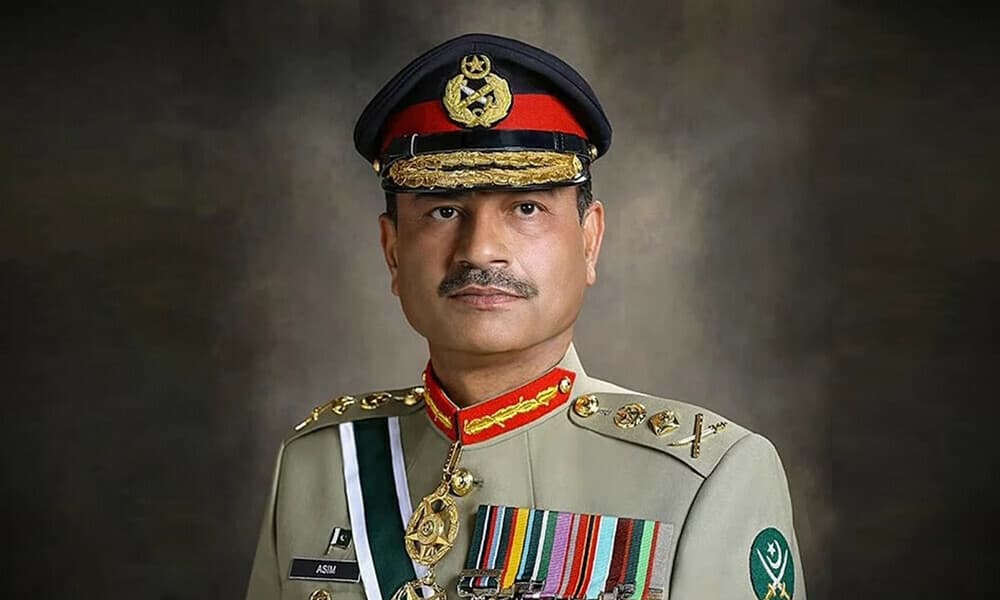
Field Marshal Asim Munir is confronting a consequential diplomatic choice as the United States intensifies efforts to assemble an international stabilisation force for Gaza under a reported 20 point U.S. plan. Two Pakistani sources say Munir is expected to travel to Washington in the coming weeks to meet President Donald Trump, a meeting that would be his third with the U.S. president in six months and is expected to focus on the proposed force.
Munir has cultivated unusually direct ties with Washington this year, including an invitation in June to a White House lunch that marked the first time a U.S. president hosted Pakistan’s army chief alone without senior civilian counterparts. Islamabad sees access to Washington as a pathway to investment and security assistance, making the proposed mission both a diplomatic opportunity and a potential liability.
A senior Pakistani official, Foreign Minister Ishaq Dar, said last month that Islamabad "could consider contributing troops for peacekeeping" while stressing that "disarming Hamas is not our job." Those comments underscore the narrow political framing Islamabad is seeking as it weighs participation. Pakistan’s military, the foreign office and the information ministry have not publicly addressed the proposal, and the White House has not commented.
Munir has spent recent weeks consulting with counterparts and officials from a roster of Muslim majority and regional states including Indonesia, Malaysia, Saudi Arabia, Turkey, Jordan, Egypt and Qatar. Analysts and diplomatic interlocutors see those meetings as preparatory consultations over both operational and political dimensions of a Gaza stabilisation mission.
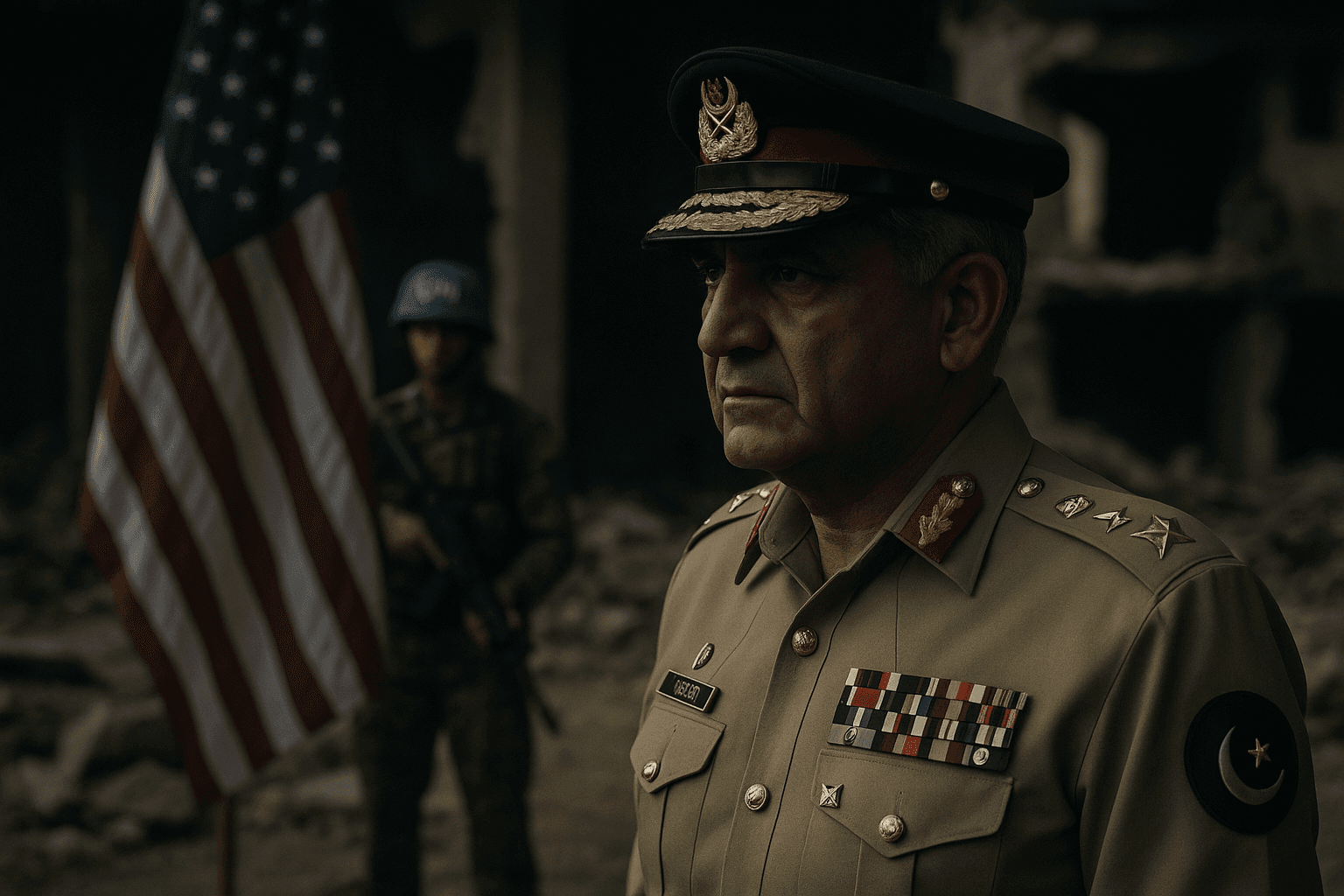
Policy advisers warn that any decision by Islamabad to contribute troops risks provocation of a significant domestic backlash. Defence analyst Ayesha Siddiqa said there is "a greater pressure on Munir to deliver his capacity," reflecting expectations inside Pakistan that the military perform effectively when it takes on foreign commitments. Analysts warn that mobilising Pakistani forces for a mission associated with U.S. policy could reignite street level protests and political polarization, with immediate implications for domestic security.
Beyond immediate political costs, the choice carries economic stakes. Islamabad has prioritized reengagement with global investors and securing security related assistance, and some analysts caution that declining to participate could strain ties with Washington and complicate ongoing economic diplomacy. Michael Kugelman, a South Asia specialist, warned that a refusal could "annoy President Trump" and damage Pakistan’s prospects for U.S. investment and security aid, a calculation that Pakistani leaders are weighing carefully.
The decision will test Munir’s consolidated authority and Pakistan’s ability to balance international incentives against potent domestic risks. If he agrees to send troops, Islamabad will need to manage logistics, regional diplomacy and public reaction. If he declines, Pakistan risks cooling a warming relationship with Washington even as it seeks to insulate itself from unrest at home. Either outcome will have immediate foreign policy consequences and broader implications for investor confidence and regional stability.
This article was produced by Prism’s automated news system from verified source data, official records, and press releases, then run through automated quality and moderation checks before publishing. The system is built and supervised by the people who set the standards it runs under. Read our full AI policy.
Did this article answer your question?


