Parachutist Found Dead at Kent Aerodrome, Investigation Under Way
Lucy Barrett was waiting for a charity skydive at Headcorn Aerodrome when she watched a man fall to the ground; he was later confirmed dead.
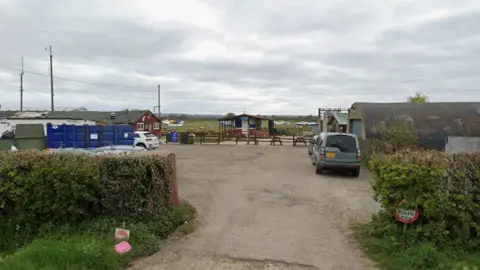
A man in his 50s was found dead at Headcorn Aerodrome in Kent on Monday morning, with witnesses describing being left "traumatised" after watching him fall to the ground. Kent Police confirmed the man was a solo skydiver, and his death is being treated as unexplained, with an investigation now under way.
Emergency services were called to the aerodrome, located approximately 32 miles southeast of London near Ashford, at 10:00 GMT. Flight-tracking data showed the last aircraft to land did so at 9:24am, with no further flights recorded at the site thereafter. The man's next of kin have been informed.
Lucy Barrett, 53, a mother of three, was at the aerodrome waiting to do a charity skydive when she saw something fall to the ground. She and others present were left 'traumatised' after realising it was the man's body. Officers were seen searching fields at and around the aerodrome in the hours that followed.
British Skydiving, the national governing body for sport parachuting, confirmed it is investigating the accident. Its findings will be passed to a coroner and other relevant authorities. Go Skydive, the commercial operator running skydiving at the airfield, was approached for comment but had not responded at the time of reporting.
Headcorn Aerodrome, carrying the ICAO code EGKH and a CAA Ordinary Licence, has deep roots in British aviation history. Originally opened in 1943 as RAF Lashenden, it served the Royal Air Force, Royal Canadian Air Force, and United States Army Air Forces before closing in September 1945 and reverting to farmland. Parachuting at the site dates back to the 1960s. GoSkydive recently acquired Headcorn Skydiving, and the drop zone has hosted over 70,000 tandem skydives since 1979.
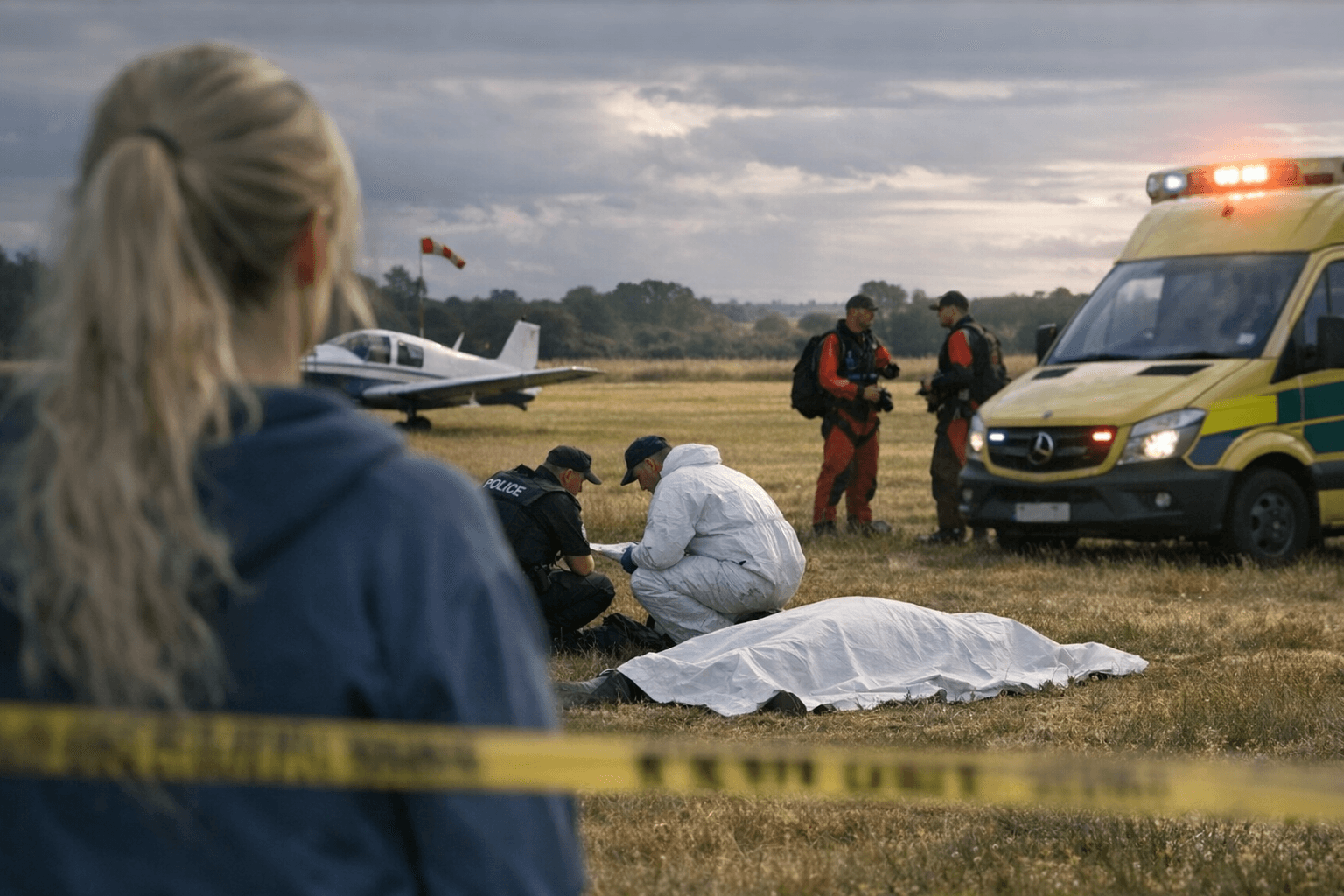
Monday's death is not the first fatality at the aerodrome. In September 1998, Ian George, 23, from Benfleet, Essex, died on his first charity parachute jump when both his main and reserve parachutes failed to open properly, plunging approximately 2,000 feet in front of his girlfriend. In a separate incident, a man in his 40s was killed while making his fourth jump of the day from 12,000 feet. Following that accident, aerodrome owner Jamie Freeman said: "It is a tragic accident and if we can learn from it in the future we will."
Against that history, UK skydiving remains statistically one of the country's safer adventure sports. The 2023 British Skydiving Annual Safety Report recorded over 258,000 parachute descents with zero student or tandem fatalities. Across a 20-year period from 2001 to 2020, there were 39 fatalities in approximately 5.4 million jumps, a rate of around 0.7 per 100,000.
Investigators will scrutinise equipment records, including how the parachute was packed and the condition of reserve systems, alongside training documentation and drop zone procedures on the day. As a private airfield, Headcorn operates under a different oversight framework than commercial airports, and the outcome of British Skydiving's report to the coroner may inform whether regulators or operators consider changes to inspection regimes for sites of this kind.
This article was produced by Prism’s automated news system from verified source data, official records, and press releases, then run through automated quality and moderation checks before publishing. The system is built and supervised by the people who set the standards it runs under. Read our full AI policy.
Did this article answer your question?