Park Avenue redesign would widen median, remove lanes for pedestrians
City plans to strip two lanes from Park Avenue to build a wider median, raising the stakes for commuters, cyclists and Midtown businesses.
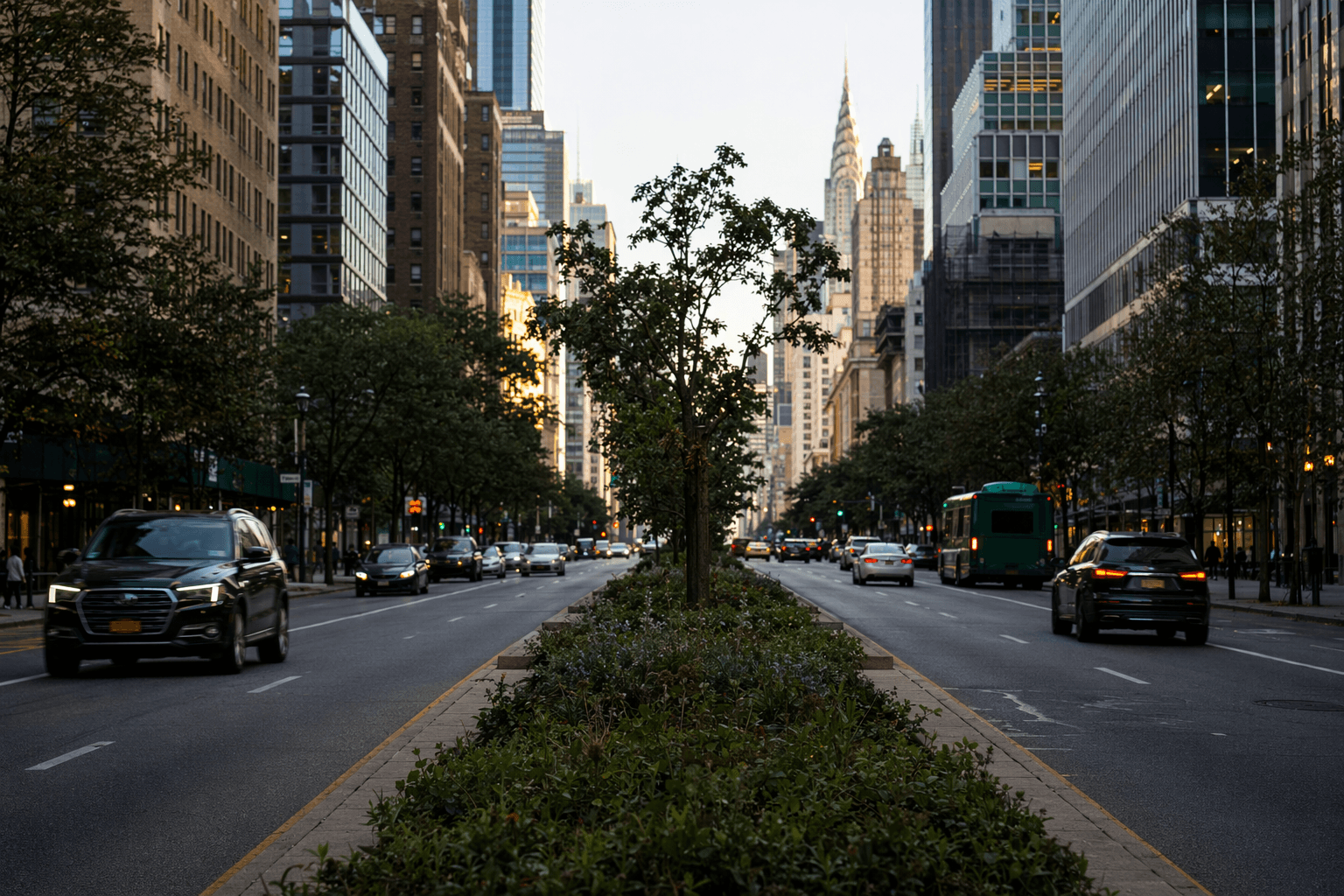
Park Avenue was set for one of Midtown East’s biggest street rethinks in decades, with the city planning to widen the median, remove two traffic lanes and carve out more room for people to walk, sit and linger along an 11-block stretch.
The redesign covers Park Avenue between East 46th Street and East 57th Street, a 0.55-mile corridor that sits directly above the Grand Central Terminal train shed. City planners framed the work as a chance to remake the avenue while the Metropolitan Transportation Authority and Metro-North Railroad rehabilitate the structure below by replacing and waterproofing it.
The New York City Department of Transportation selected Starr Whitehouse Landscape Architects and Planners LLC in June 2025 for an 18-month contract to support public engagement, roadway analysis and streetscape design. City materials said the corridor would be reshaped into a greener, safer and more pedestrian-friendly street, with a wider median, seating, landscaping and other amenities.
The scale of the change is substantial. City documents said the median could grow from about 20 feet to as much as 48 feet in some spots, reclaiming space that had been handed to cars in 1927. The project area also presents a dense planning challenge: 23 adjacent buildings and one currently vacant lot line the route, making every curb cut, loading area and sidewalk decision potentially consequential for nearby tenants and property owners.
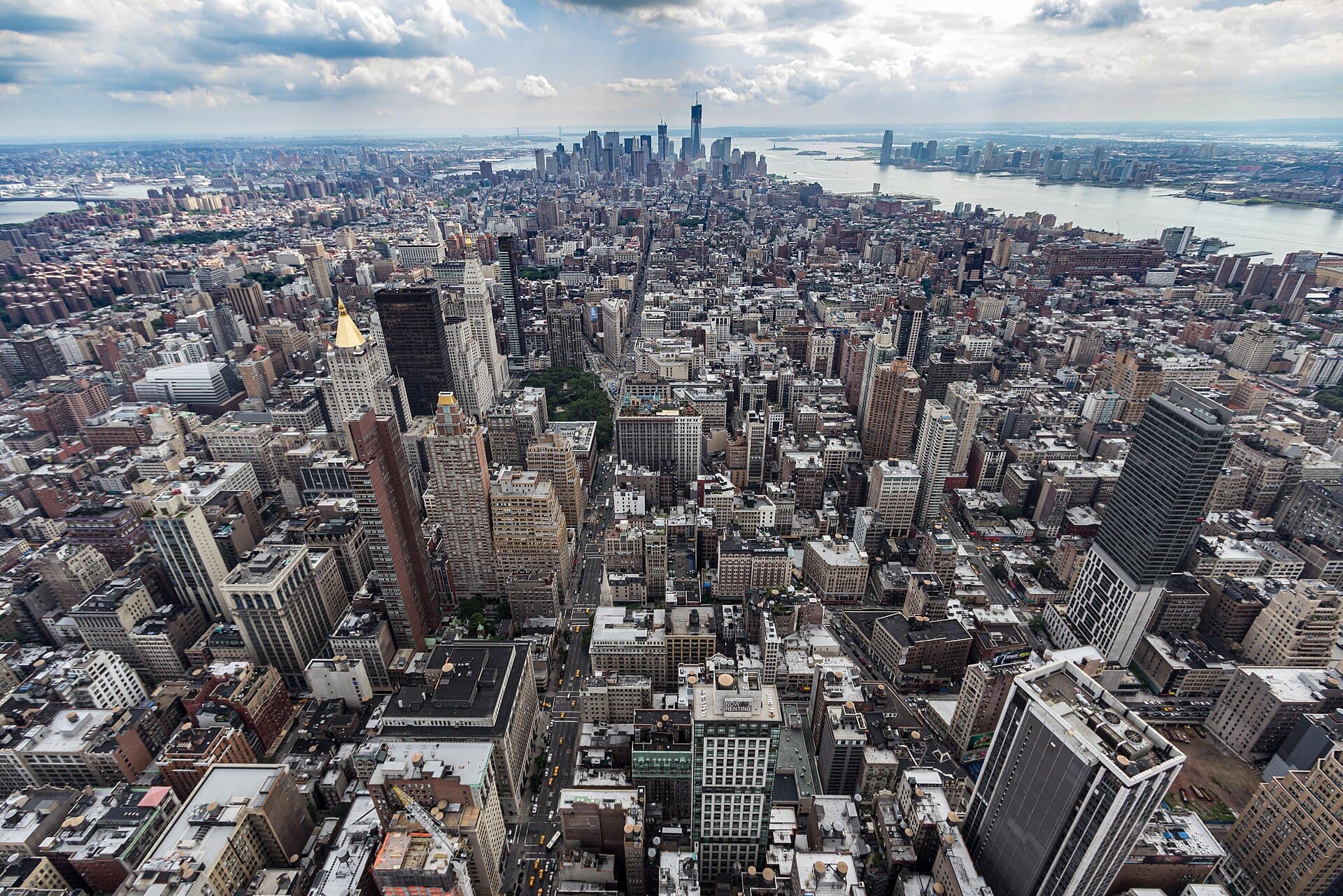
Transportation officials have linked Park Avenue to a broader effort to expand public space in major commercial corridors, including the city’s work on Fifth Avenue. That framing casts the boulevard as more than a local redesign. It is being treated as a national test case for whether high-value business districts can be repurposed to serve pedestrians without collapsing traffic flow or undercutting commerce.
The politics of who benefits, however, remain unsettled. Cycling advocates argued that the corridor could fill a gap in Manhattan’s east-side bike network, where there is no protected bike lane between Second Avenue and Sixth Avenue. Streetsblog reported that the department would not commit to a protected lane in the 2024 announcement, a decision that left bike access advocates worried the city would miss a rare chance to build safer north-south connectivity through Midtown.
Reactions captured around the announcement reflected that divide. Some workers welcomed the prospect of benches, shade and places to sit. At least one cab driver warned the changes could worsen traffic, underscoring the central question now facing city leaders: whether Park Avenue will become a more usable civic space, or simply a polished redesign that shifts congestion rather than resolving it.
This article was produced by Prism’s automated news system from verified source data, official records, and press releases, then run through automated quality and moderation checks before publishing. The system is built and supervised by the people who set the standards it runs under. Read our full AI policy.
Did this article answer your question?

