Seniors urge protections for immigrant caregivers as Supreme Court weighs TPS case
Older Americans rallied at the Capitol as the Supreme Court weighed a TPS case that could reshape care for more than 820,000 immigrant long-term care workers.
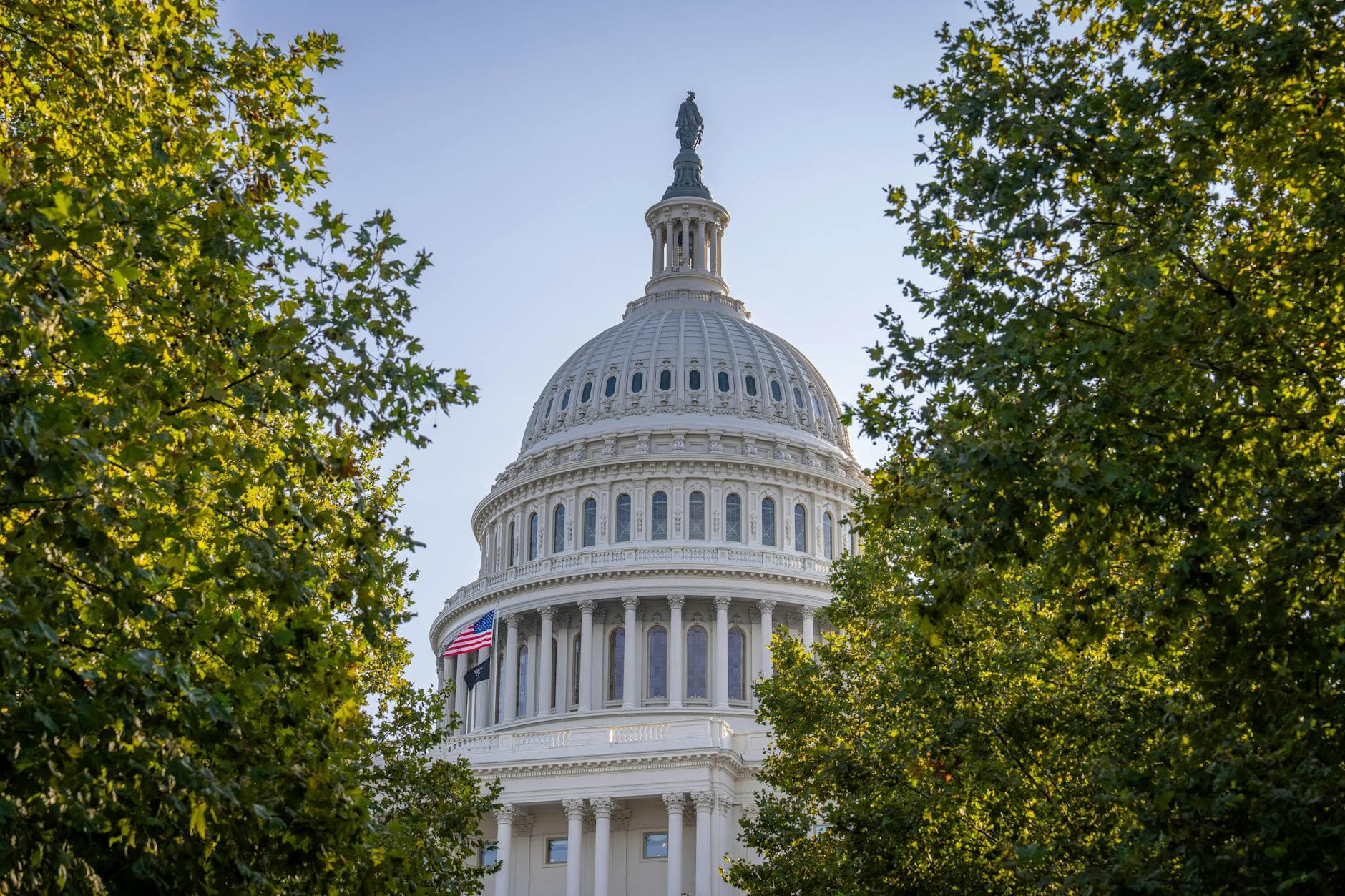
The fight over Temporary Protected Status for Haitians and Syrians is landing in the middle of the nation’s elder-care system, where immigrant workers fill a large share of jobs that keep older adults living at home and out of institutions. As seniors gathered outside the U.S. Capitol in Washington on April 28, 2026, they pressed for protections for immigrant caregivers while the Supreme Court weighed whether the Trump administration may end TPS for Haiti and Syria.
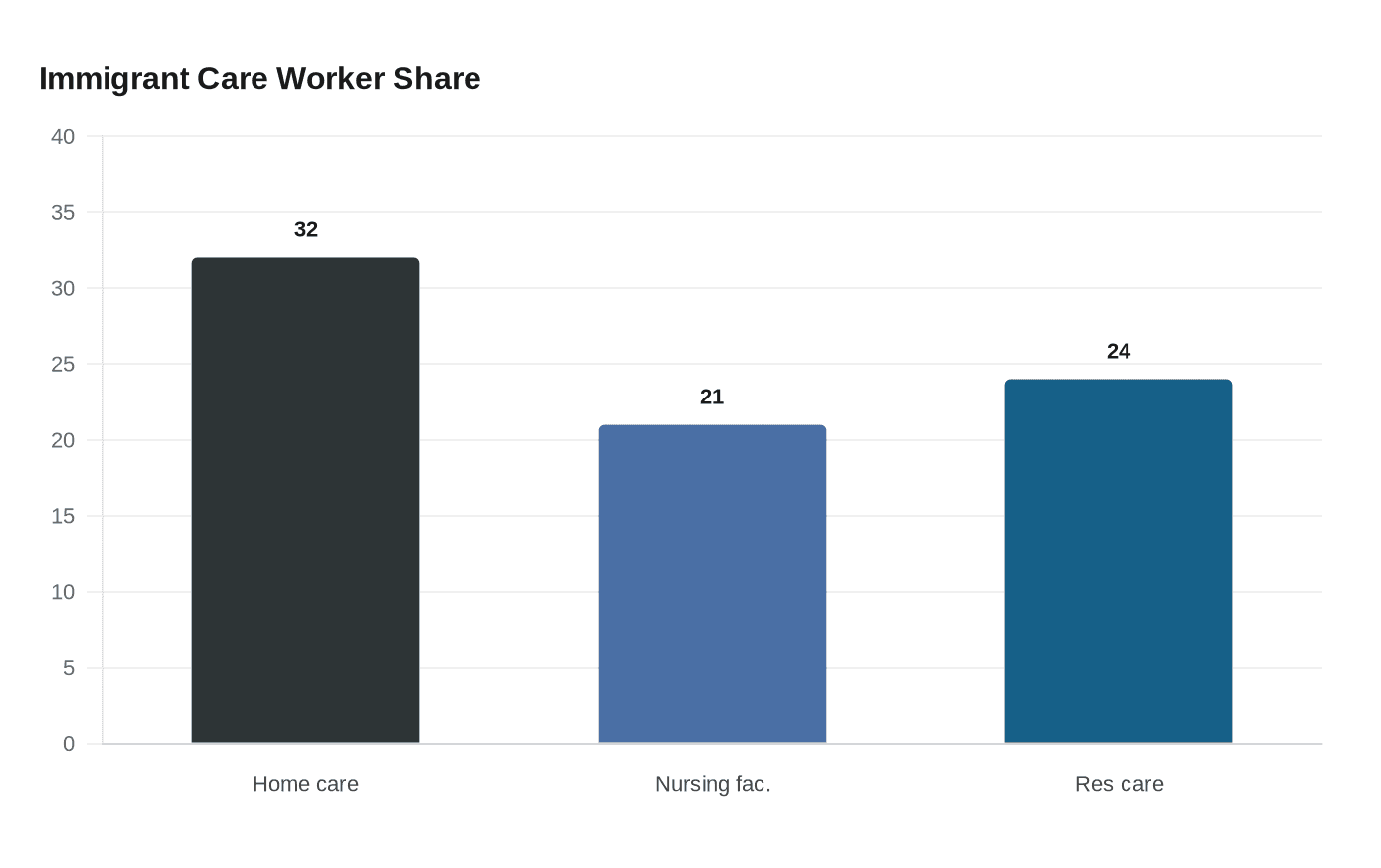
The case reaches far beyond immigration law. A KFF analysis found that immigrants made up 32% of home care workers, 21% of nursing-facility workers and 24% of residential-care workers in 2023, with more than 820,000 immigrants employed as direct care workers in long-term care nationwide. Haitian TPS holders are especially concentrated in that workforce, and one advocacy group said TPS holders account for 15% of all noncitizen health care workers and that more than 20% of Haitians nationwide work in health care roles.
The Supreme Court agreed in March 2026 to hear the case and did not allow the administration to end TPS while it reviews the dispute, leaving lower-court blocks in place for now. The administration has argued that Haiti and Syria no longer meet the conditions for protection, while challengers say the terminations are unlawful. The outcome could affect more than 350,000 Haitians and about 6,100 Syrians, and some estimates say as many as 1.3 million people from 17 countries could be swept up if the administration prevails.
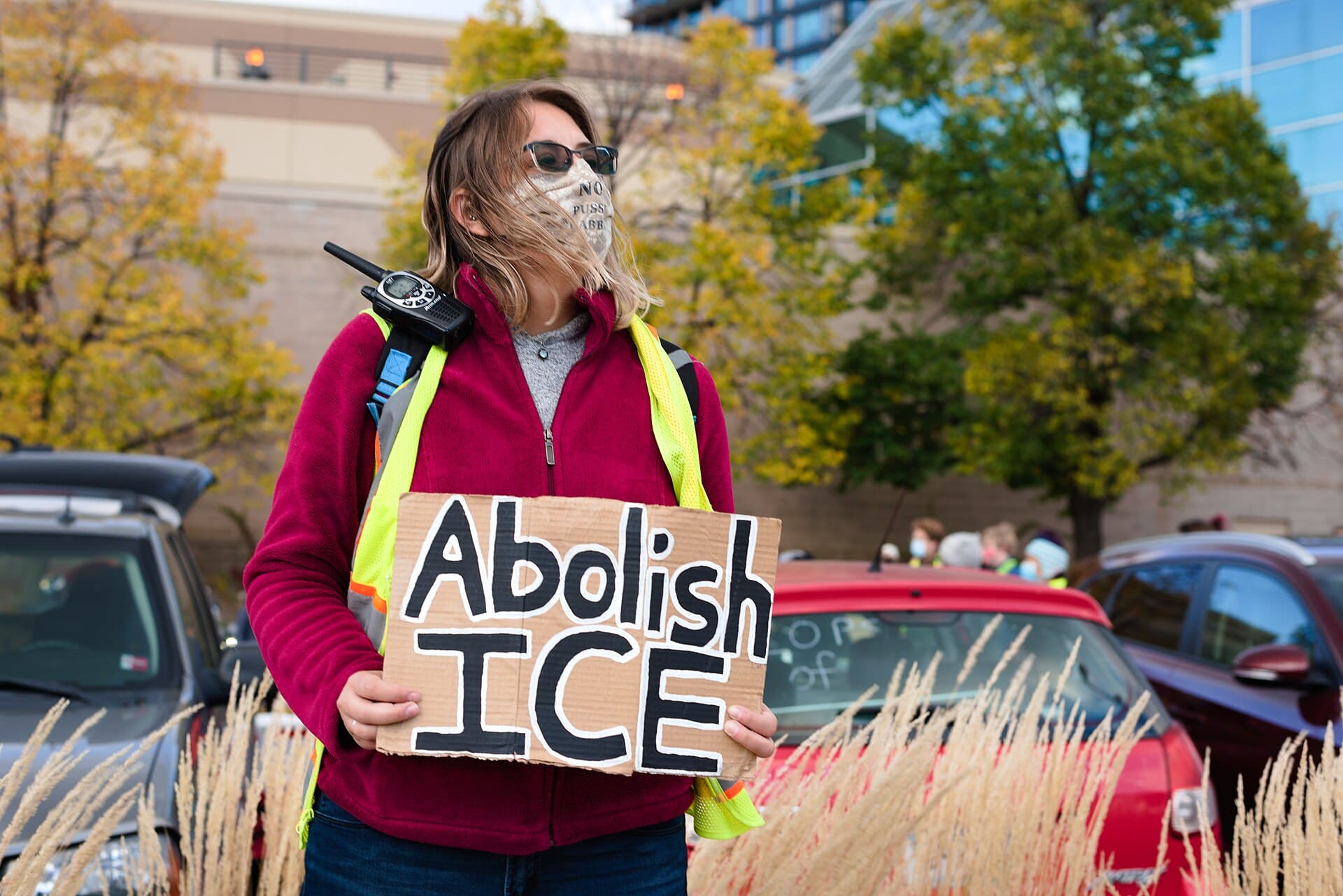
For Florida, the stakes are especially high. The state has about 158,000 Haitians, nearly half of all Haitian TPS recipients, many of them working in South Florida elder-care settings. That has made the state a battleground as aging-services leaders warn that losing experienced workers would deepen staffing shortages and strain relationships older adults have built with trusted aides over years of daily care.
The pressure campaign has drawn an unusual alliance of seniors, employers, labor groups and immigration advocates. In January 2026, American Business Immigration Coalition Action, LeadingAge, the National TPS Alliance, SEIU and the National Domestic Workers Alliance launched the Care for Seniors, Care for America campaign. On April 13, 2026, Sinai Residences and LeadingAge Southeast filed an amicus brief urging the court to preserve TPS for Haitians, warning that ending the program would worsen shortages and disrupt care for older adults.
Congress has also moved, with the House advancing a resolution in April to protect Haitian TPS even as its path in the Senate remains uncertain. Haiti’s TPS designation and related benefits had been slated to terminate on Feb. 3, 2026, before a federal court stay paused the end date, leaving families, caregivers and older Americans waiting on the court’s next move.
This article was produced by Prism’s automated news system from verified source data, official records, and press releases, then run through automated quality and moderation checks before publishing. The system is built and supervised by the people who set the standards it runs under. Read our full AI policy.
Did this article answer your question?

