Parliament forms impeachment committee over Ramaphosa's Phala Phala scandal
Parliament moved to reopen Ramaphosa’s Phala Phala case after the Constitutional Court ruled the 2022 vote was invalid, putting his political survival back on the line.
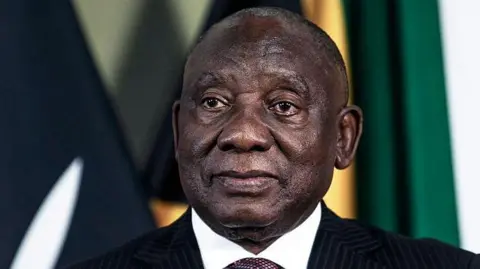
Parliament has opened the door to a fresh impeachment test for Cyril Ramaphosa, reviving a scandal that began with the February 2020 theft of foreign currency from his private Phala Phala game farm in Limpopo and has now returned as a measure of power inside the ANC as much as a test of accountability.
The case resurfaced in June 2022, when former intelligence chief Arthur Fraser laid a criminal complaint alleging a cover-up and unlawful handling of the incident. The African Transformation Movement then submitted a section 89 motion to the Speaker of the National Assembly, pushing for an inquiry into whether Ramaphosa should be removed from office. Parliament’s independent panel issued its report on 30 November 2022, saying the information before it established prima facie that the president may have committed a serious violation of the Constitution and the law, as well as serious misconduct.
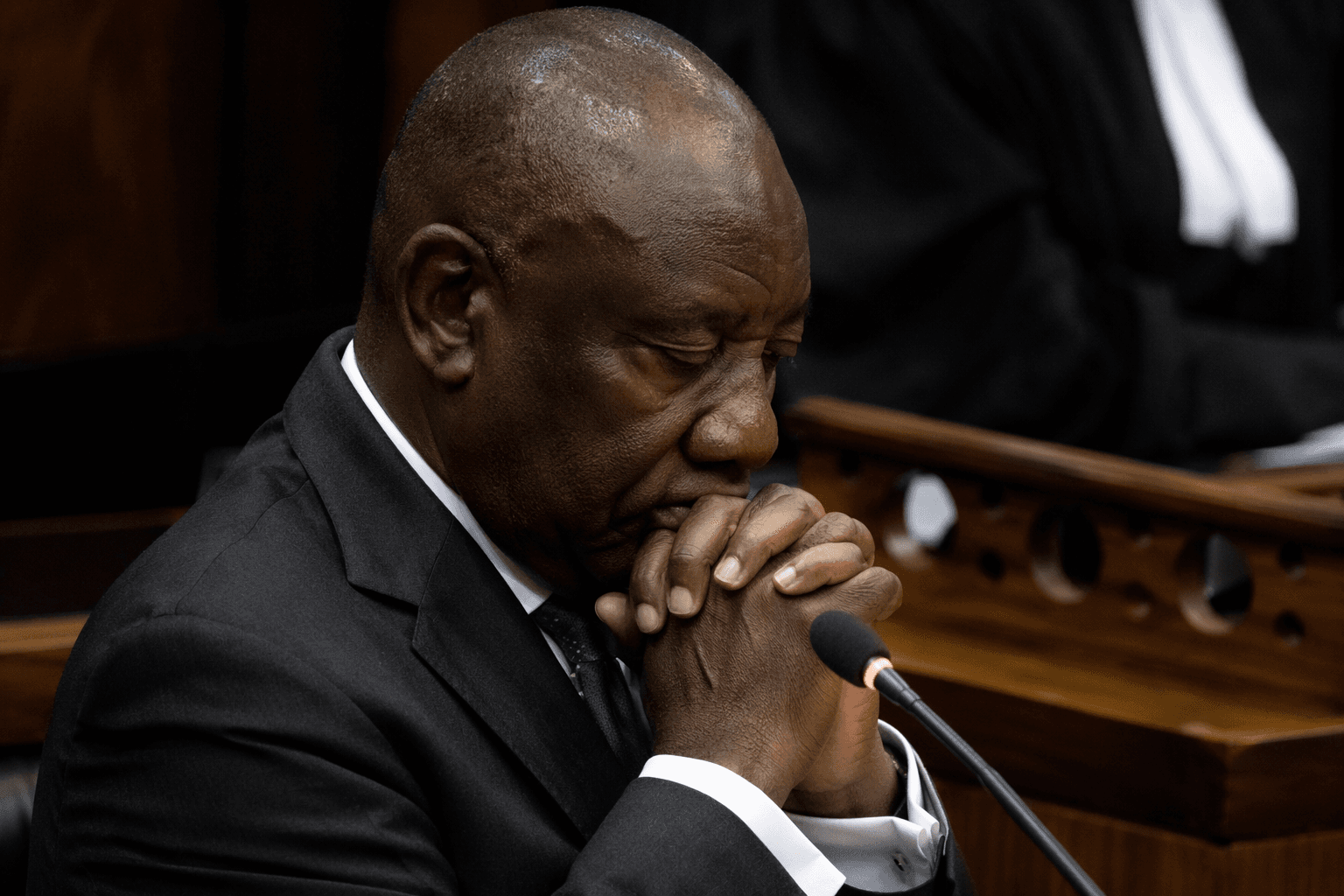
Ramaphosa survived the first political clash. On 13 December 2022, the National Assembly voted 214 to 148 against referring the matter to an impeachment committee, blocking the process. Opposition parties including the Economic Freedom Fighters, the African Transformation Movement and the United Democratic Movement kept pressing the case, while media reporting later suggested the amount stolen may have been closer to about US$600,000 than the larger figure first alleged by Fraser. Ramaphosa has denied wrongdoing and said the money came from the sale of buffaloes.
That protection weakened on 8 May 2026, when the Constitutional Court of South Africa ruled that the 2022 National Assembly vote was unconstitutional and ordered the panel report sent back to an impeachment committee. The court said the matter concerned the alleged theft of foreign currency from Ramaphosa’s private wildlife farm and the circumstances around that incident, and it reaffirmed the panel’s finding that a prima facie case existed. Parliament then said the Speaker would begin the process of setting up the impeachment committee, while the ANC called a meeting of one of its top decision-making bodies to consider the ruling.
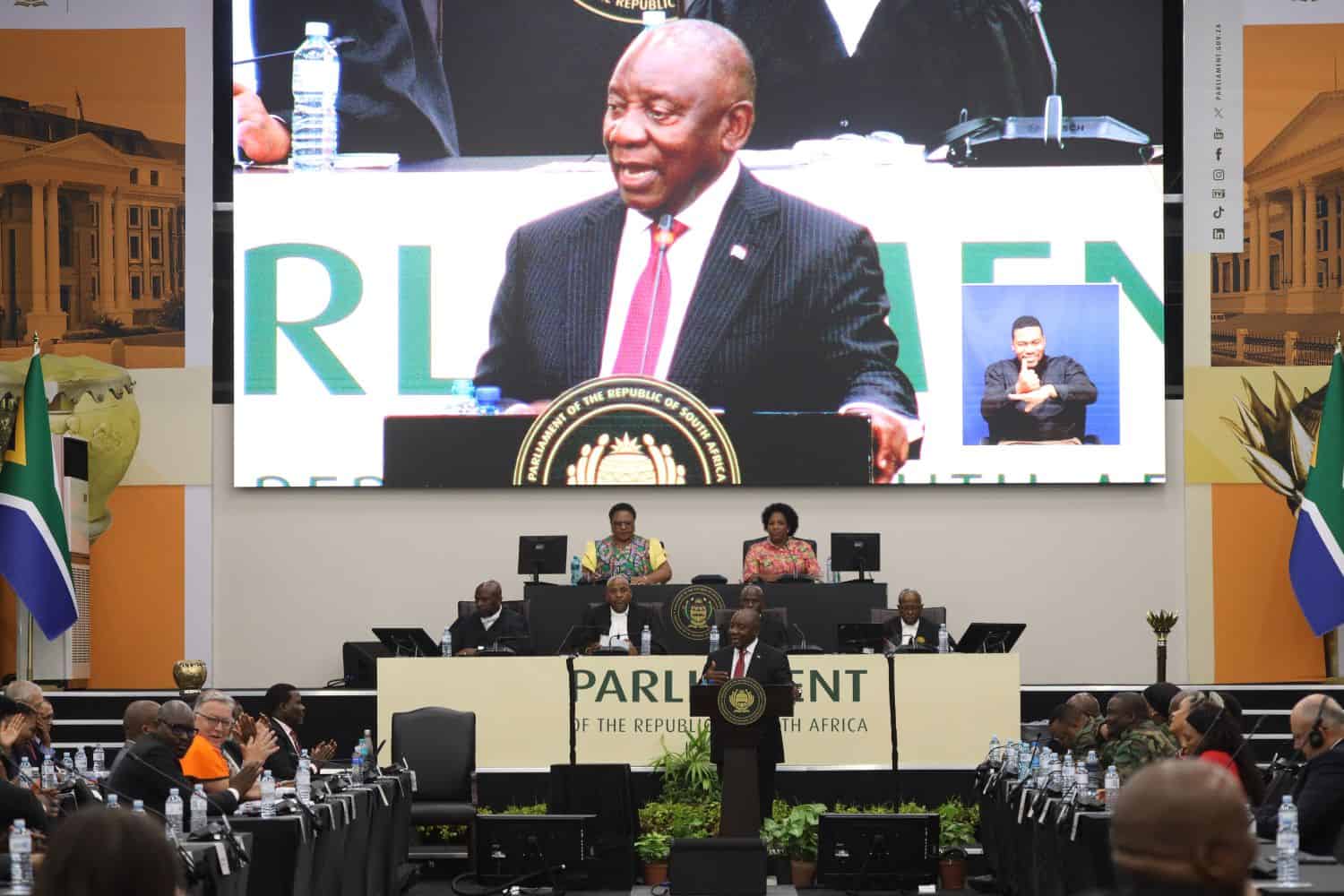
The immediate question is no longer whether the Phala Phala affair can return to the center of national politics. It has. The harder question is whether it can finally produce consequences for a sitting president whose survival in 2022 reflected the balance of power inside Parliament, the ANC and the institutions drawn into the dispute, including the Hawks, the South African Police Service and the presidency. For Ramaphosa, the revived committee is not just another round of scandal management. It is a new test of whether South Africa’s accountability machinery can break a pattern in which damaging controversies fade without forcing a political exit.
This article was produced by Prism’s automated news system from verified source data, official records, and press releases, then run through automated quality and moderation checks before publishing. The system is built and supervised by the people who set the standards it runs under. Read our full AI policy.
Know something we missed? Have a correction or additional information?
Submit a Tip