Senegal’s president and prime minister break over debt crisis, testing alliance
Senegal’s anti-establishment duo has turned on itself as hidden debt, IMF pressure and a cabinet purge expose the limits of the reform project.
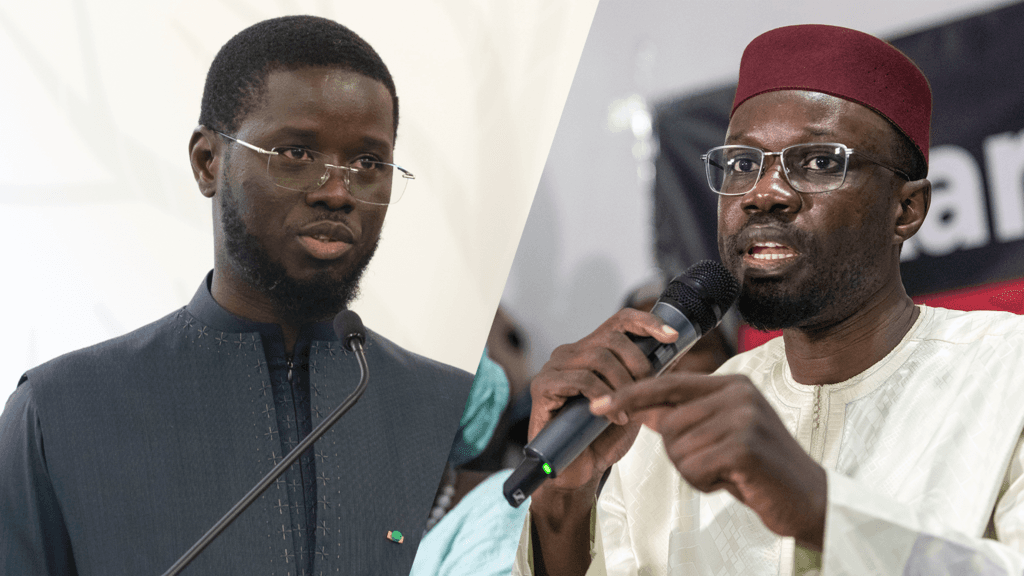
Bassirou Diomaye Faye and Ousmane Sonko rose to power by promising a clean break from Senegal’s old political order. Now their rupture is threatening the coalition that carried them there, just as the country is wrestling with a debt burden that has shaken confidence in its finances and its reform agenda.
Faye won the March 24, 2024 presidential election in the first round with 54.28% of the vote, defeating Amadou Ba and becoming Senegal’s fifth president at 44, the youngest democratically elected president in the country’s history. Sonko, barred from running because of a defamation conviction, backed Faye under the slogan “Diomaye mooy Sonko,” and Faye later appointed him prime minister. For voters who saw PASTEF, founded in 2014, as a vehicle for anti-corruption reform, youth empowerment and economic sovereignty, the pair symbolized a political reset after years of rule by the old guard.
That promise has become harder to sustain as Senegal’s fiscal crisis deepened. The International Monetary Fund estimated Senegal’s public-sector debt at 132% of GDP at the end of 2024 after the new administration disclosed previously unreported liabilities. The fund suspended its $1.8 billion lending program after the hidden-debt revelation, and talks over a new program were still under way late in 2025. An IMF team visited Dakar from October 22 to November 6, 2025, to advance discussions on the hidden debt and lay the groundwork for fresh support. The numbers have immediate consequences for borrowing costs, investor confidence and the government’s room to maneuver.
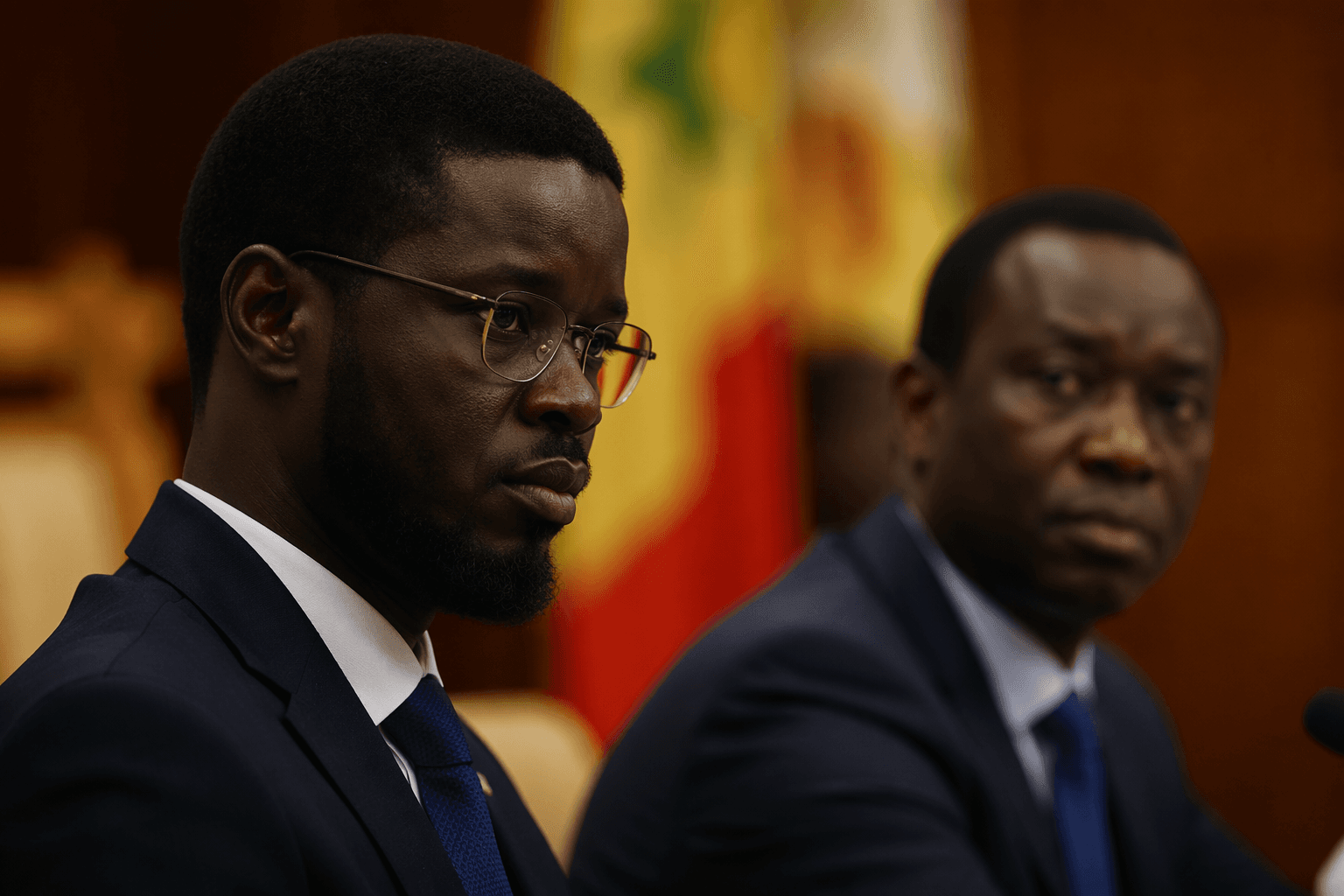
The split between Faye and Sonko had been building for months before Faye dismissed Sonko and dissolved the government in May 2026. Sonko said he met Faye and that “points of disagreement” had emerged over the future of PASTEF, while Faye moved to reorganize the cabinet. Senegal then formed a new government after the dismissal, including some members and allies of Sonko’s party, but the reshuffle did not hide the fact that the movement’s two central figures were no longer aligned.
Their falling-out matters because it is about more than personality. Both men were former tax officials, both were jailed before the 2024 election, and both were released 10 days before the rescheduled vote. The contest had already become a test of Senegal’s institutions when Macky Sall’s attempt to postpone the election triggered unrest and the Senegalese Constitutional Council forced the vote back on track. Faye’s victory was widely framed as a rupture with Senegal’s political past. The break with Sonko now raises a deeper question: whether the anti-establishment project that defeated the old order can survive once it must govern through debt distress, austerity pressure and the hard arithmetic of power.
This article was produced by Prism’s automated news system from verified source data, official records, and press releases, then run through automated quality and moderation checks before publishing. The system is built and supervised by the people who set the standards it runs under. Read our full AI policy.
Know something we missed? Have a correction or additional information?
Submit a Tip