White House accelerates AI for national security, sets civil liberties guardrails
Trump’s new memo speeds AI into warfighting and intelligence work while banning uses that censor speech or fuel unlawful surveillance.
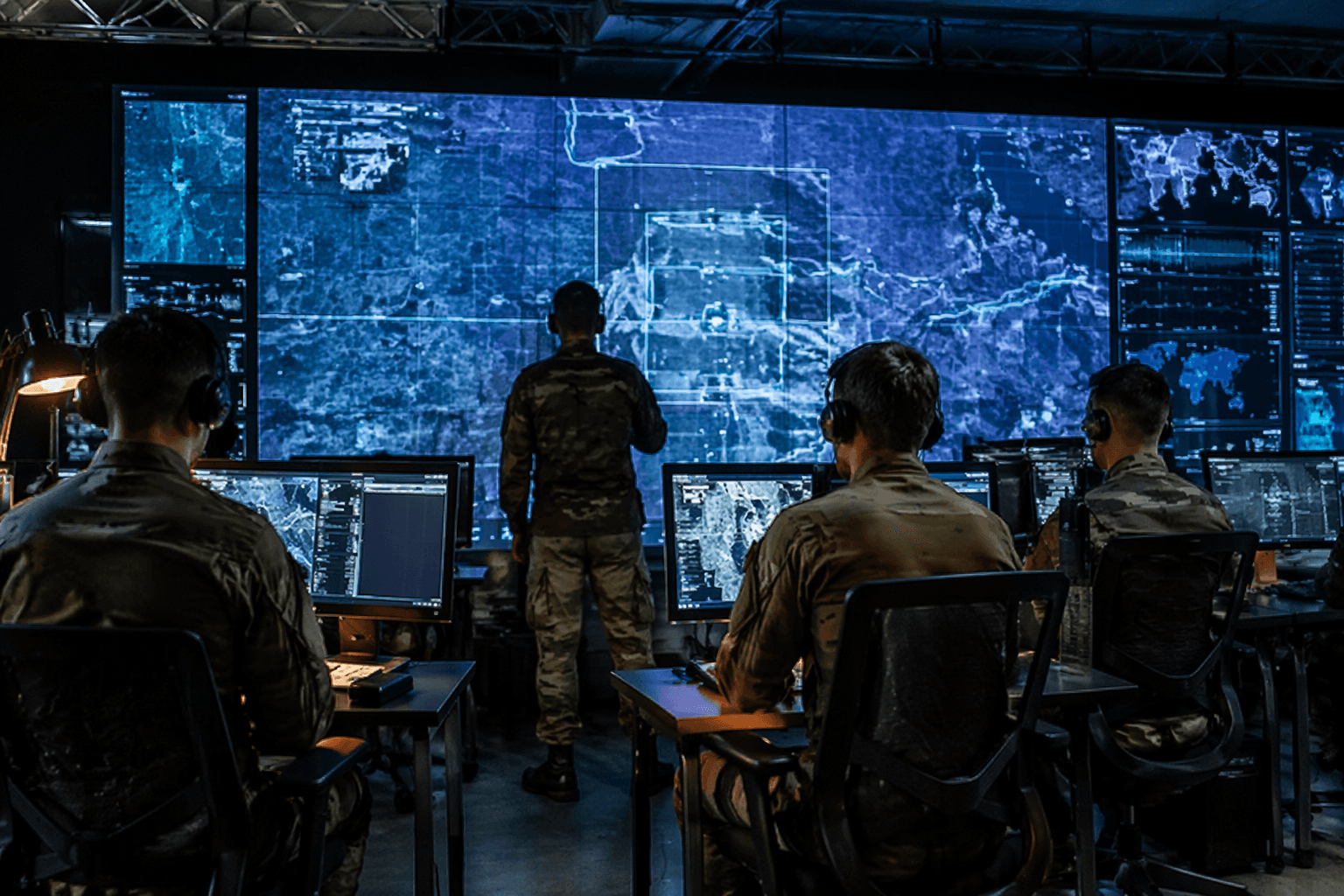
The White House is moving to embed artificial intelligence deeper into U.S. intelligence and defense work, but it paired that push with explicit civil liberties limits on censorship, ideological bias and unlawful surveillance. The June 5 memorandum said the United States can and will accelerate AI across national security domains, even as officials try to reassure the public that the technology should not be allowed to erase free speech or widen secret monitoring.
The order marks a sharp shift in how Washington treats AI: not just as a commercial tool or a research frontier, but as strategic infrastructure. It directs federal departments to streamline acquisition and deployment, build a secure and resilient supply chain that cannot be severed in conflict, and train warfighters to use advanced AI systems. The memo also says no entity, commercial or otherwise, can disable, degrade or modify AI systems that American warfighters depend on without prior approval.
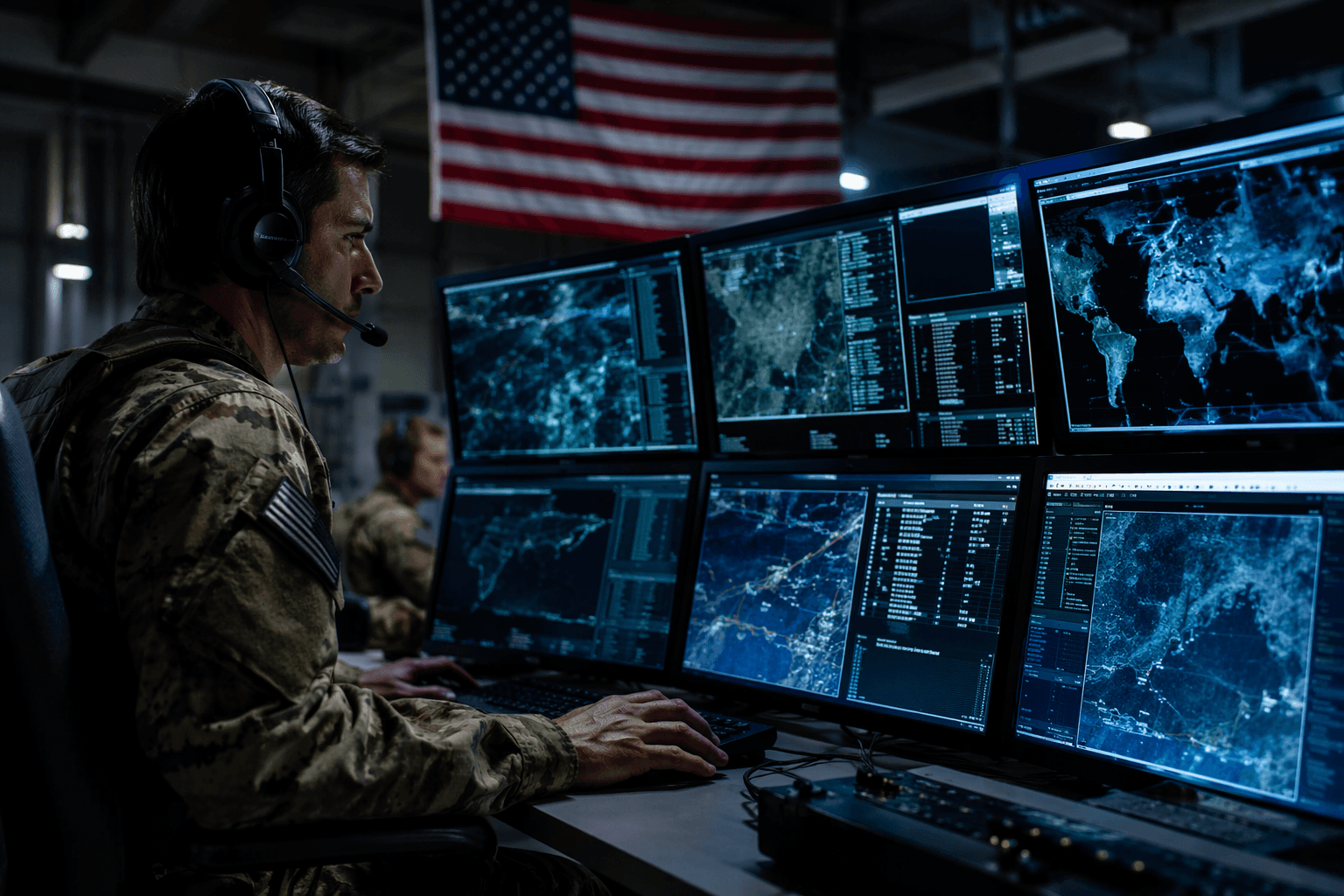
Trump also ordered Defense Secretary Pete Hegseth to update guidance on autonomy in weapon systems within 90 days. That step is meant to let the military adopt AI more deliberately while preserving the chain of command, a central concern as planners weigh faster targeting, logistics and intelligence analysis against the risk of opaque systems making mistakes in life-or-death settings.
The White House’s fact sheet says agencies must review key guidance across the national security enterprise every year. It also lays out the administration’s effort to broaden the vendor base so the government does not become dependent on a single supplier, while still protecting systems from disruption in wartime. In practical terms, the policy gives defense and intelligence buyers a stronger mandate to move quickly, even if that means accepting some uncertainty about how frontier models behave under pressure.
The administration had already signaled that approach on June 2, when Trump signed an executive order asking leading AI developers, on a voluntary basis, to submit their most capable models for government cybersecurity testing before public release. The order is designed to benchmark advanced cyber capabilities before those systems reach the market, reflecting growing concern in Washington that frontier models could be misused or fail in sensitive national security settings.
The new memo follows the Biden administration’s first-ever national security memorandum on AI in October 2024, which centered on safe, democratic use, human rights, privacy and civil liberties. Trump’s version keeps some of that language about restraint, but puts faster deployment and supply-chain resilience at the center.
The policy arrives amid broad public anxiety about AI’s effects, including fears about job displacement and whether machines could help identify battlefield targets. For defense contractors and AI companies, the message is clear: the government intends to be a more active customer, tester and gatekeeper, and the tradeoff for speed will be scrutiny that is lighter in some places and tighter in others.
This article was produced by Prism’s automated news system from verified source data, official records, and press releases, then run through automated quality and moderation checks before publishing. The system is built and supervised by the people who set the standards it runs under. Read our full AI policy.
Know something we missed? Have a correction or additional information?
Submit a Tip