Pashinyan claims victory as Armenia's ruling party leads election count
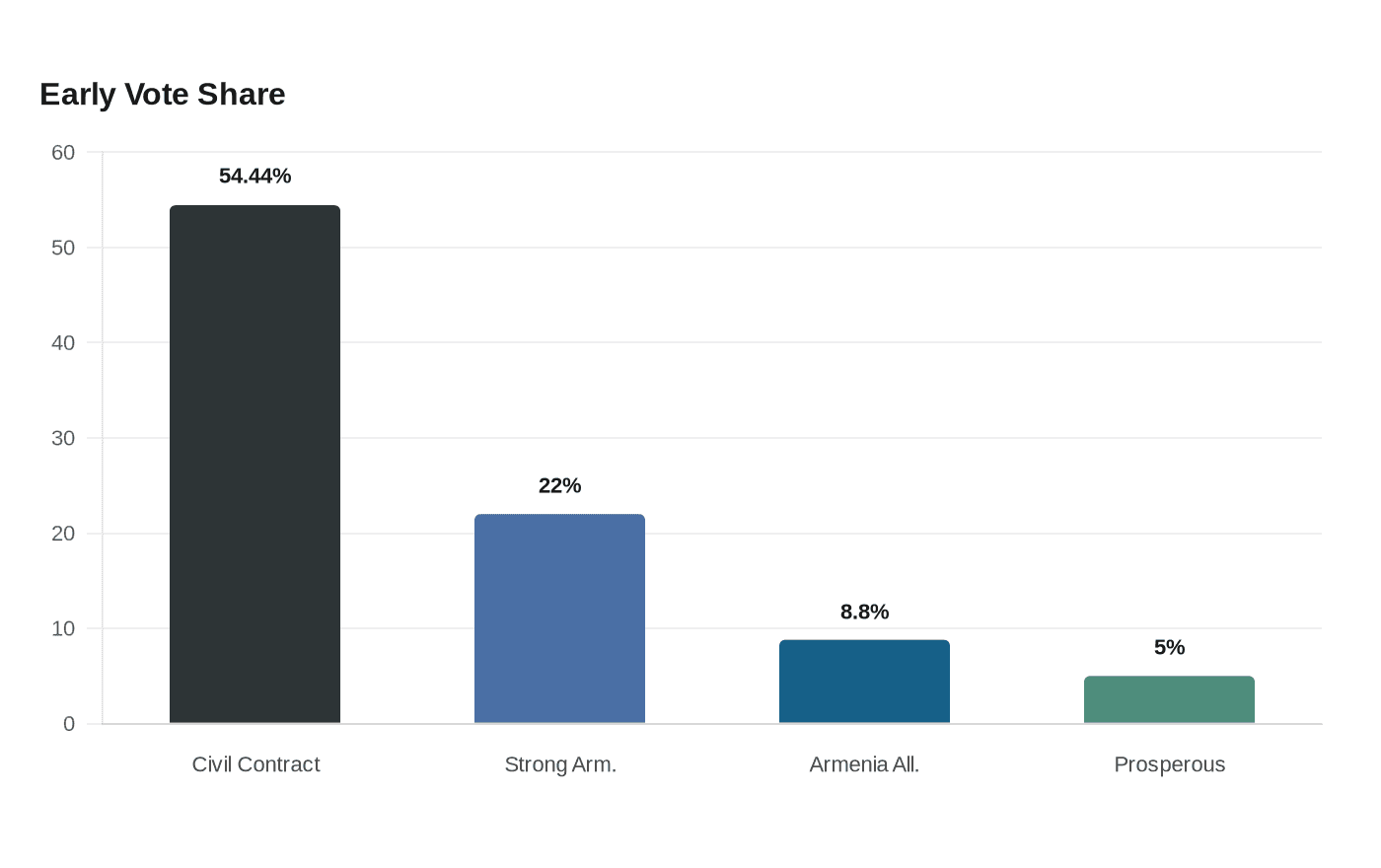
Pashinyan claimed victory as Civil Contract led Armenia's count with 54.44 percent, in a vote many saw as a referendum on the country's future.
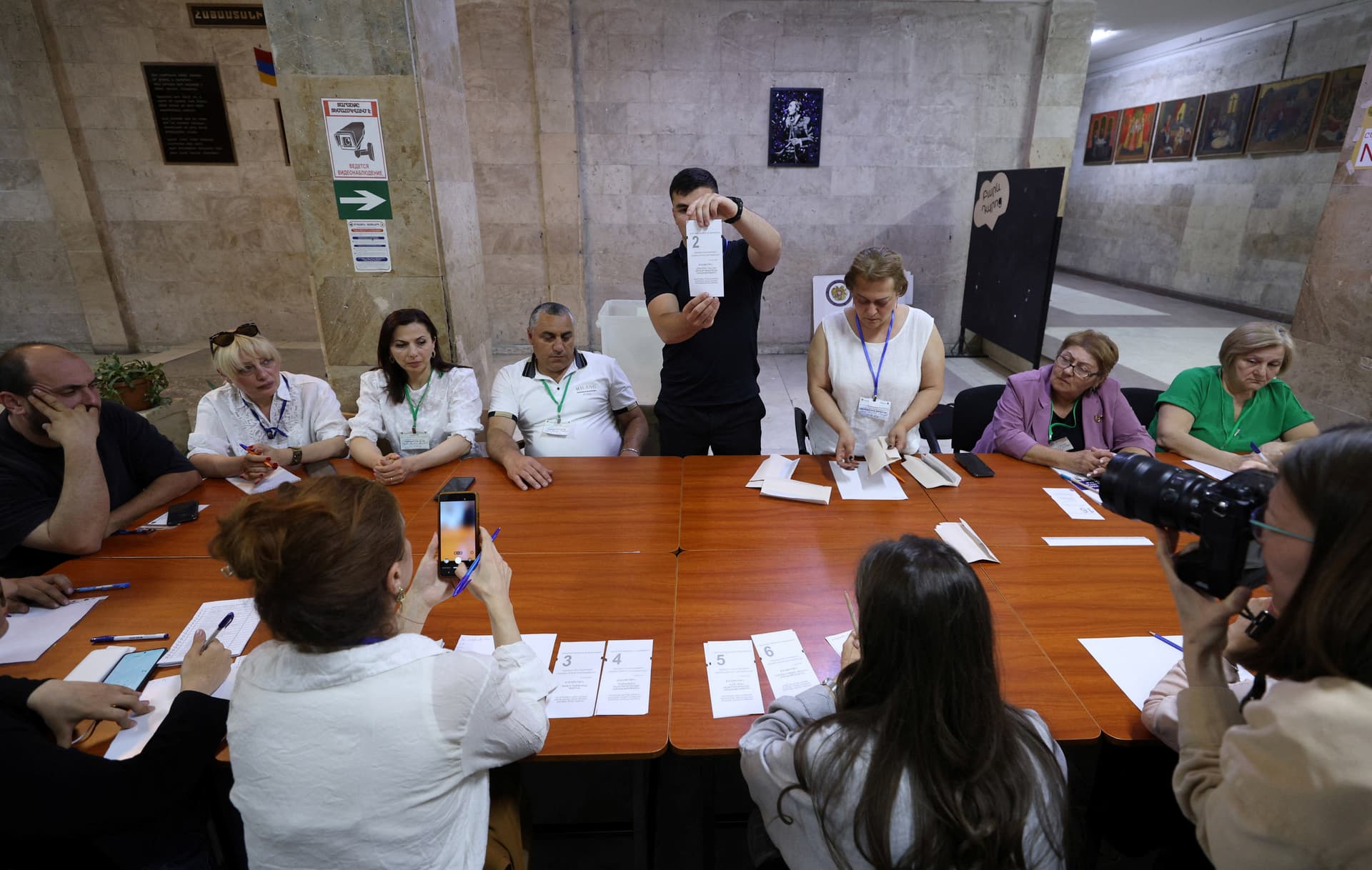
Nikol Pashinyan declared victory in Armenia’s parliamentary election after early results gave his Civil Contract party a wide lead, but the larger question was whether the vote would restore legitimacy in a country still shaken by war and political upheaval. The first figures, based on about 16 percent of polling stations, put Civil Contract on 54.44 percent, with the pro-Russian Strong Armenia alliance on about 22 percent, the Armenia Alliance on 8.8 percent and Prosperous Armenia trailing on roughly 5 percent.
The result carried meaning far beyond party politics. Armenia’s 2026 election was the country’s first general election since its crushing 2023 defeat by Azerbaijan, and many voters saw it as a verdict on Pashinyan’s effort to deepen ties with the West while pursuing a peace deal with Azerbaijan. The contest was effectively a showdown between his pro-Western camp and three major pro-Russian opposition forces, against the backdrop of Armenia’s broader balancing act between Moscow and Western capitals.
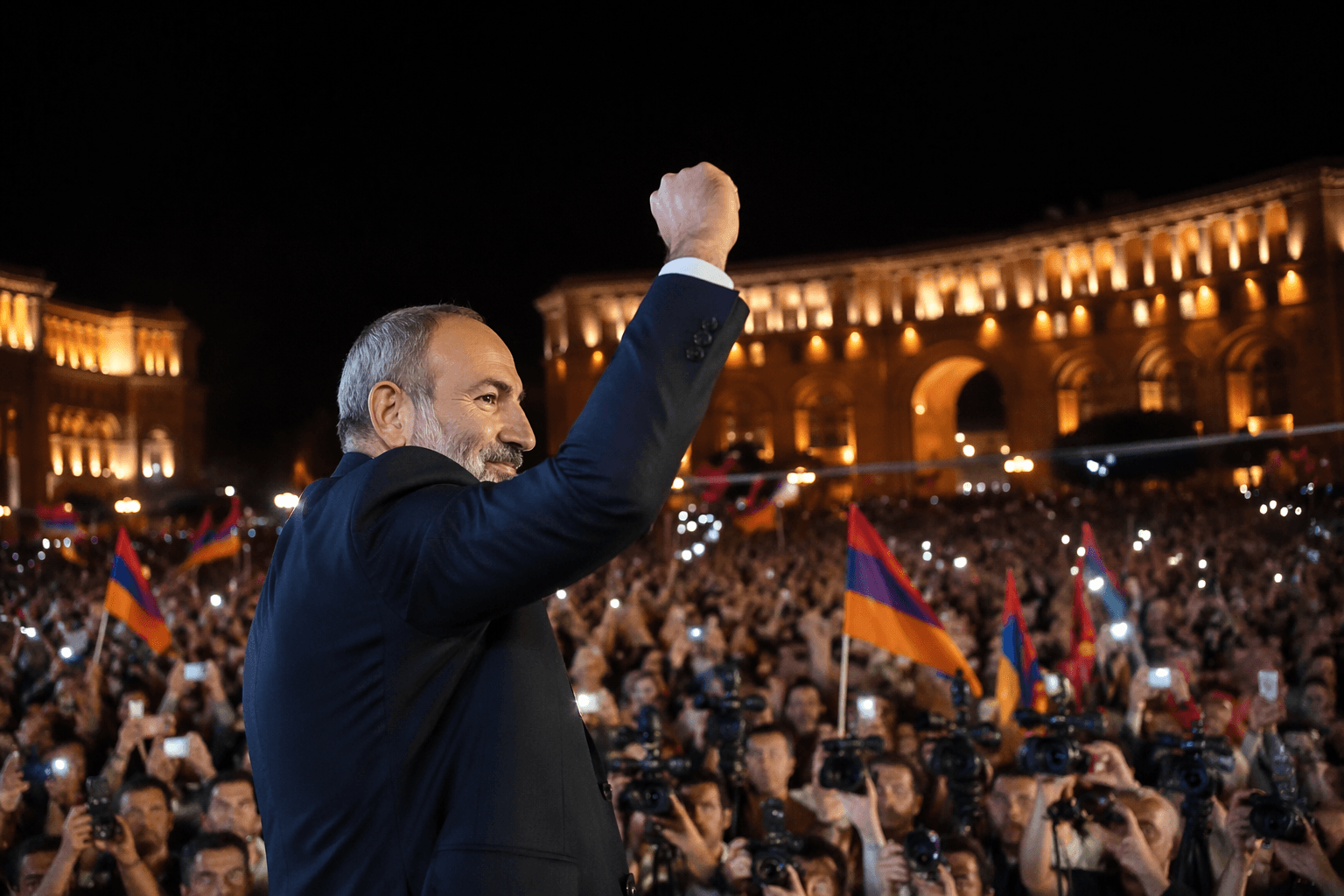
Turnout suggested that voters treated the race as consequential. Armenia’s Central Election Commission later reported participation at 58.97 percent, with 1,476,597 voters casting ballots out of 2,503,976 eligible citizens. Eighteen political forces took part in the race, including 16 parties and two blocs, with parliamentary thresholds set at 4 percent for parties and 8 percent for blocs. That structure left the field open to fragmentation, but early counting showed Civil Contract well ahead.
International scrutiny was heavy. The OSCE Office for Democratic Institutions and Human Rights opened an observation mission on April 23 after an invitation from Armenian authorities, and the OSCE Parliamentary Assembly said about 100 observers from more than 30 countries were deployed for the June 7 vote. Election observers and the Central Election Commission said voting proceeded normally, and ODIHR said it would issue preliminary findings and conclusions the next day.
Armenian authorities also said 59 criminal proceedings had been initiated by 20:00 on election day over alleged election-related offences. For Pashinyan, the vote offered the possibility of a renewed mandate after years of military loss and political strain, but the longer test will be whether a strong tally can translate into stability, a durable peace with Azerbaijan and a more credible democratic path at home.
This article was produced by Prism’s automated news system from verified source data, official records, and press releases, then run through automated quality and moderation checks before publishing. The system is built and supervised by the people who set the standards it runs under. Read our full AI policy.
Did this article answer your question?