Pathfinder 2E One-Shot GM Checklist: Pacing, Pregens, Stakes, Hooks
Run a focused Pathfinder 2E one‑shot with an evergreen one‑sheet that maps goals, pacing lanes, stakes, pregens, table logistics, minimal encounter prep, and post‑session hooks.
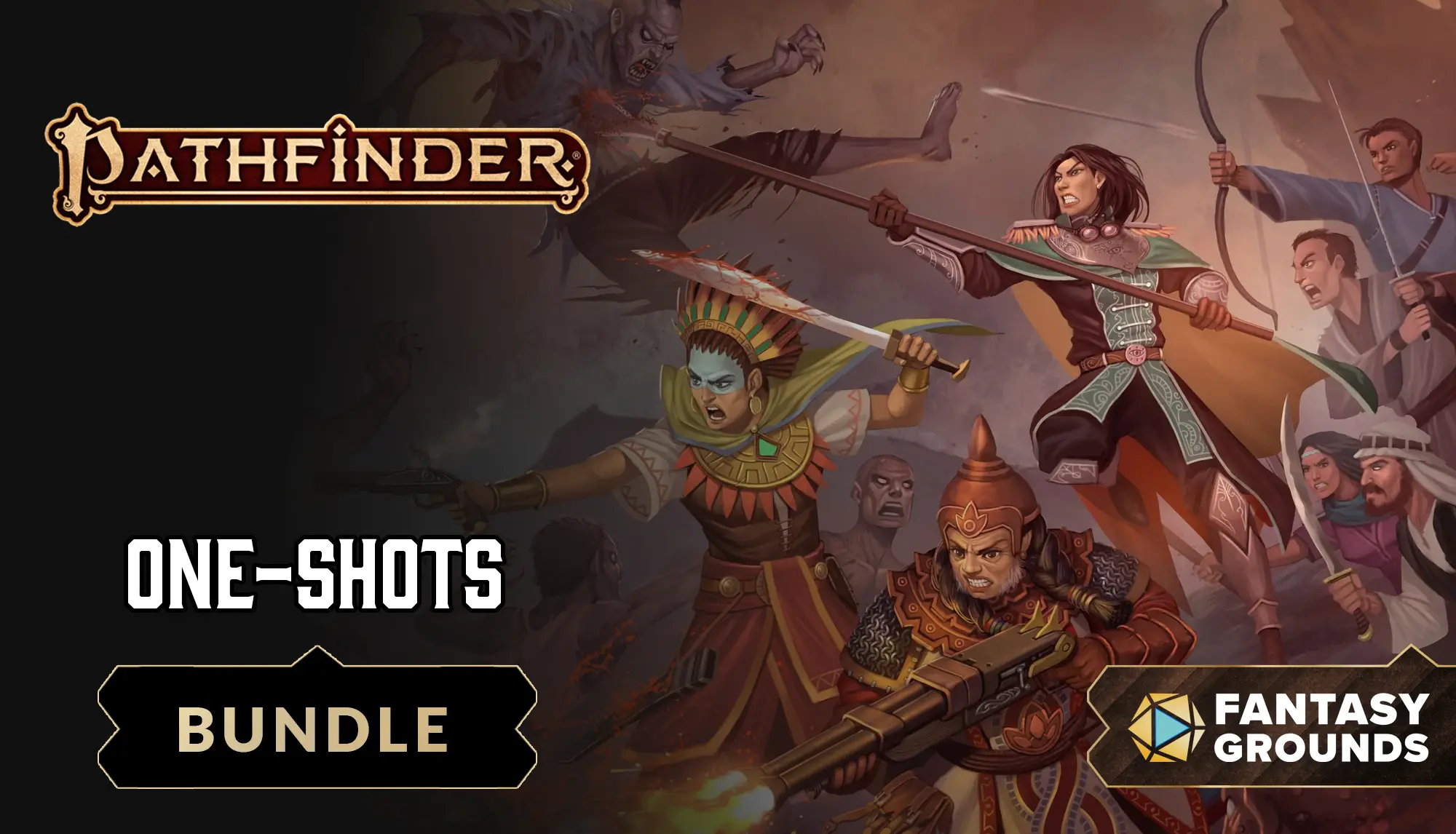
Summary (what this resource is and why it’s useful): This evergreen one‑sheet provides a practical, step‑by‑step checklist for Game Masters preparing a Pathfinder 2E one‑shot: goals, pacing lanes, stakes, pregens, table logistics, minimal prep for encounters, and post‑session hooks."
The one‑sheet above is your blueprint; pair it with the game’s character sheet philosophy, "If You Build It, You Play It", and you get a system where pregens and quick choices drive play, not extra prep. The Explore St-aug passage reminds us that "The character sheet in Pathfinder 2e is a meticulously designed document built to reflect both the game’s complexity and its accessibility," and that organization, "core attributes, skills, classes, feats, equipment, and spells", is your ally when you need speed.
1. goals
A crisp, single‑sentence goal for the session is the anchor the Original Report puts first on its checklist. Use that sentence to decide whether the table is rescuing a mayor, stealing a relic, or surviving a dungeon gauntlet; the one‑sheet explicitly lists goals as a top item. Keep the goal visible to the players and linked to pregens so every decision points back to that agreed ending.
2. pacing lanes
"Pacing lanes" is called out by the one‑sheet and should be your map for tempo: the beats where you speed up (chases, combats) and slow down (roleplay hooks, exploration). Rely on the character sheet’s clarity, "clear numeric spreadsheets and intuitive categorization", so you can handwave minor mechanical work and keep narration moving. Define two or three lanes (fast conflict, medium investigation, slow social) on the one‑sheet and assign approximate time slices so you can steer the table without dragging rules checks.
3. stakes
Stakes are explicitly listed on the one‑sheet and must be concrete: what’s lost, what’s gained, and why the party cares. Use the character‑sheet examples to make stakes mechanically meaningful, if a pregen’s Wisdom matters for saving throws, make those saves tied to the central threat: "prioritize Wisdom to unlock saving throws in perilous dungeons" is a phrasing you can translate into immediate consequences. Design stakes so that players see trade‑offs on their sheets: a risky choice that pressures Dexterity or Constitution carries readable mechanical weight.
4. pregens
The one‑sheet names pregens as a core item; use them to embody the "If You Build It, You Play It" philosophy. Build pregens that highlight their role choices and feats, remember, "Feats act as character‑defining milestones, transforming baseline potential into narrative power." Populate each pregen with a clear attribute distribution and a couple of signature feats so players can jump in and play the archetype immediately. The Explore St-aug text’s note that "Allocating thirteen points across these core attributes requires foresight" is a useful design constraint to mimic on your pregens: make each pregen show the trade‑offs a player would face so decisions at the table matter without lengthy character creation.
5. table logistics
Table logistics are on the checklist for a reason: you want nothing in the way of play. The Original Report lists "table logistics" explicitly; use the Pathfinder 2e character sheet’s organization to streamline what you hand to players and what you keep as shorthand. Keep initiative, hit points, and the few items tied to the one‑shot on the one‑sheet or a single quick reference so everyone can see the mechanical essentials at a glance. The research emphasizes accessibility, lean on that: when the sheet "organizes core attributes, skills, classes, feats, equipment, and spells into a coherent, navigable format," you can offload bookkeeping and keep the table focused.

6. minimal prep for encounters
The one‑sheet calls out "minimal prep for encounters" as a checklist item; treat this as a design constraint: one stat block per enemy group, one trap roll, and a pair of visual cues or descriptions. Use the character sheet’s "clear numeric spreadsheets" as your prep standard, if a mechanic can be expressed in a one‑line calculation on a sheet, it’s ready. Design encounters around the pregens’ highlighted abilities (feats, primary attributes) so that most mechanical work is already reflected on player sheets and the GM’s single encounter card.
7. post‑session hooks
The Original Report explicitly includes "post‑session hooks" on its list; end the one‑shot with a tidy bridge to future play or to a memorable takeaway. Use the character sheet’s narrative cues, class, feat choices, and a highlighted failed save or success, to seed hooks that feel earned. For example, a pregen whose Intelligence unlocks "rarer, more transformative spell paths" can discover a hint of a lost library at session’s end, turning the one‑shot’s outcome into a narrative thread without additional prep.
Putting the character sheet to work Treat the PF2e character sheet as more than a stats page: the Explore St-aug material frames it as central to the game’s design and accessibility. Quotes in the supplied notes stress that the sheet "facilitates this through clear numeric spreadsheets and intuitive categorization, enabling players to visualize trade‑offs at a glance." Use that to your advantage, if players can see how "a frontline soldier might boost Dexterity for tighter aim and increase Constitution to endure pain," they’ll make faster choices and you’ll run smoother scenes.
Final notes and caution The one‑sheet described is labeled an "evergreen one‑sheet" and is expressly "practical, step‑by‑step" for GMs running a Pathfinder 2E one‑shot; lean on those labels. The material from Explore St-aug gives you concrete entry points, "If You Build It, You Play It," "Allocating thirteen points across these core attributes," and "Feats act as character‑defining milestones", to make pregens and pacing decisions predictable and fast. Use the one‑sheet to keep every element visible, rely on the character sheet’s organization to cut prep time, and close with a post‑session hook that makes the session feel consequential.
Final line: a tight, visible checklist plus pregens built to the character sheet’s trade‑offs is the simplest way to run a satisfying Pathfinder 2E one‑shot without marathon prep.
Know something we missed? Have a correction or additional information?
Submit a Tip