Peak District marks 75 years as Britain’s first national park
The Peak District was born from a fight over who could cross the hills. Seventy-five years on, 13 million annual visitors test that promise.
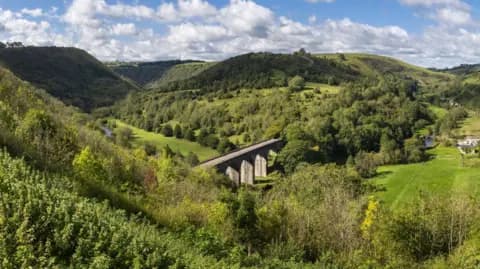
The Peak District’s 75th anniversary lands in the middle of an old British argument: who gets to enjoy the countryside, and on what terms. Designated on 17 April 1951 as the United Kingdom’s first national park, the area now covers 555 square miles across Derbyshire, Yorkshire, Staffordshire and Cheshire, supports around 38,000 residents and draws about 13 million visitors a year.
That scale of popularity sits on top of a much older story. Castleton’s Devil’s Arse cave was listed among the Seven Wonders of the Peak in 1636, long before national park status or modern tourism campaigns. By the 1800s, workers from industrial towns were already arriving by train for fresh air and open country, and the Manchester-Sheffield railway line, opened in 1894, widened access further into the Hope Valley. Former rail lines have since been repurposed as walking routes, including the Monsal Trail, turning industrial infrastructure into a new kind of public access.
The park’s modern identity, though, was forged in protest. On 24 April 1932, hundreds of men and women defied the law and walked to Kinder Scout in the Kinder Mass Trespass. Benny Rothman was 20 when he led the action, following an earlier confrontation at Bleaklow. The Peak District National Park says the Manchester Guardian estimated 400 people took part, while the National Trust says about 400 people from Greater Manchester met in Hayfield and around 200 went up William Clough. Six young men were arrested and five were imprisoned, but the crackdown helped fuel sympathy for the right-to-roam movement rather than extinguish it.
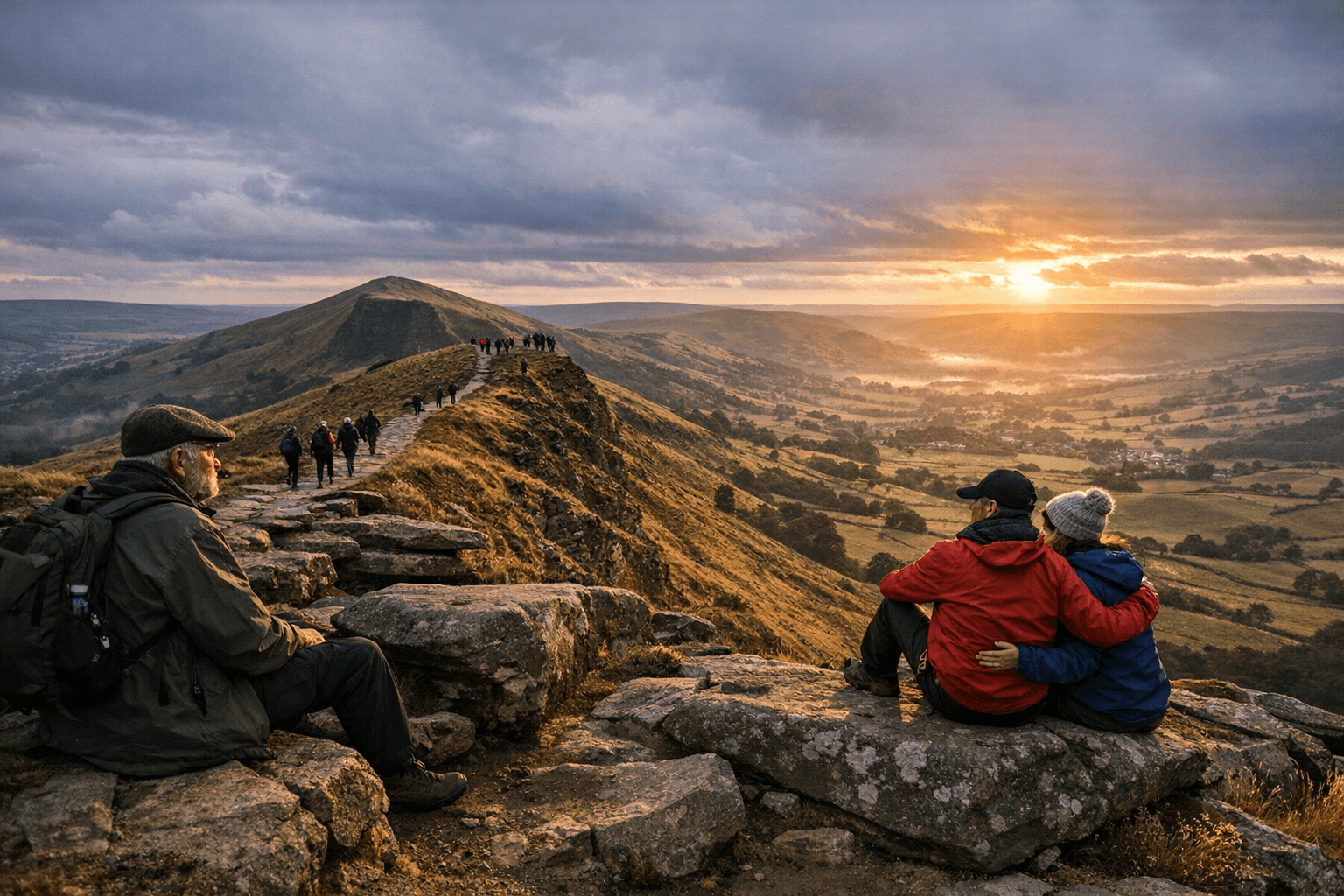
That campaign had deep roots. James Bryce MP introduced the first freedom-to-roam bill in 1884, though it failed. A 1931 government inquiry recommended creating an authority to select national park areas, but nothing followed immediately. The Standing Committee on National Parks formed in 1936, bringing together groups including the Ramblers’ Association, the Youth Hostels’ Association, the Council for the Preservation of Rural England and the Council for the Protection of Rural Wales. The 1945 Dower Report and the 1947 Hobhouse Report then helped prepare the legislation that finally created national parks in England and Wales.
Seventy-five years later, the Peak District is still defined by that bargain between access and restraint. The park’s anniversary was marked with bell-ringing from 26 church towers on 17 April 2026, but the larger test remains unchanged: whether a landscape opened by protest, railways and reform can stay open as tourism grows, conservation pressures sharpen and the cost of reaching the hills still shapes who uses them.
This article was produced by Prism’s automated news system from verified source data, official records, and press releases, then run through automated quality and moderation checks before publishing. The system is built and supervised by the people who set the standards it runs under. Read our full AI policy.
Did this article answer your question?


