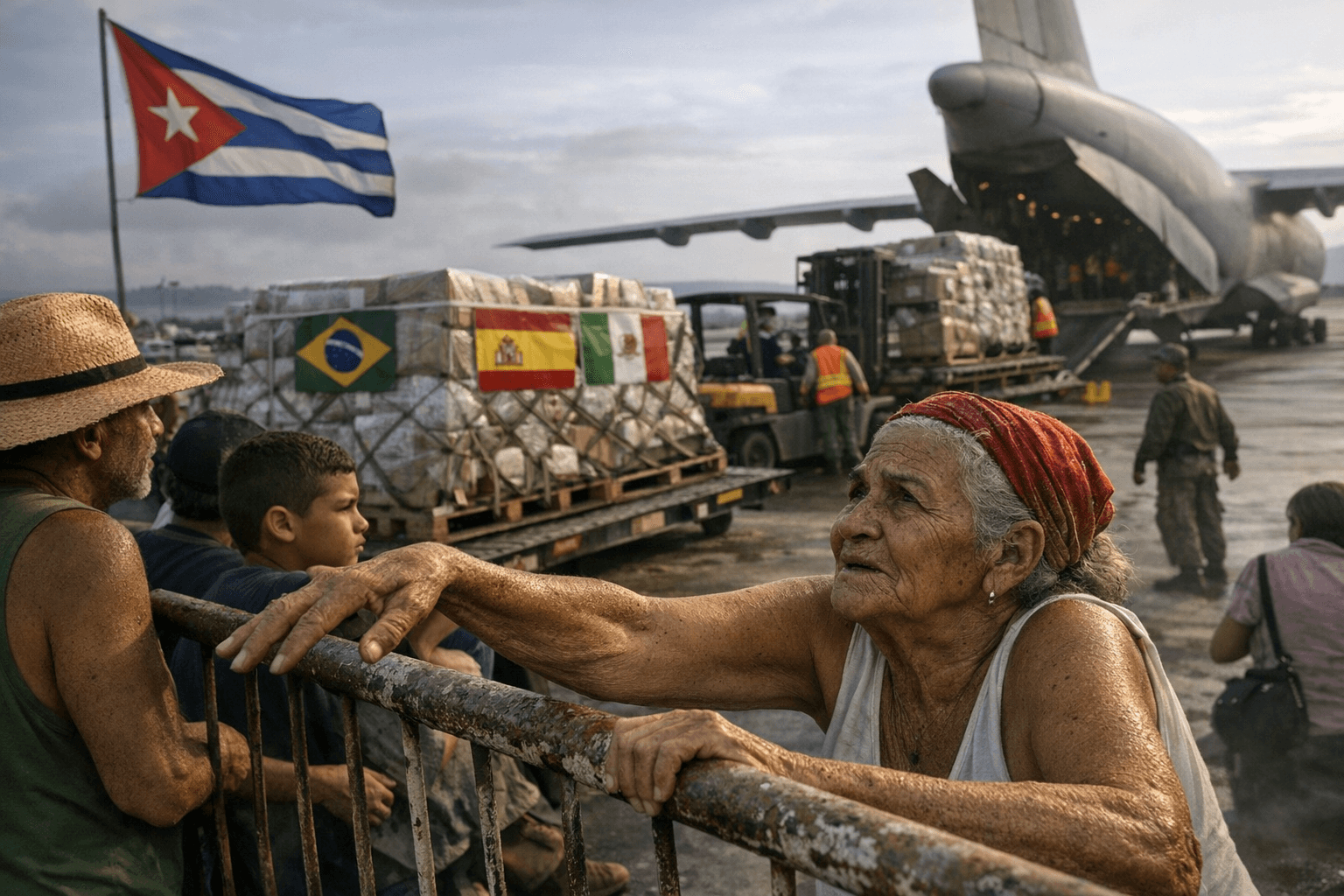
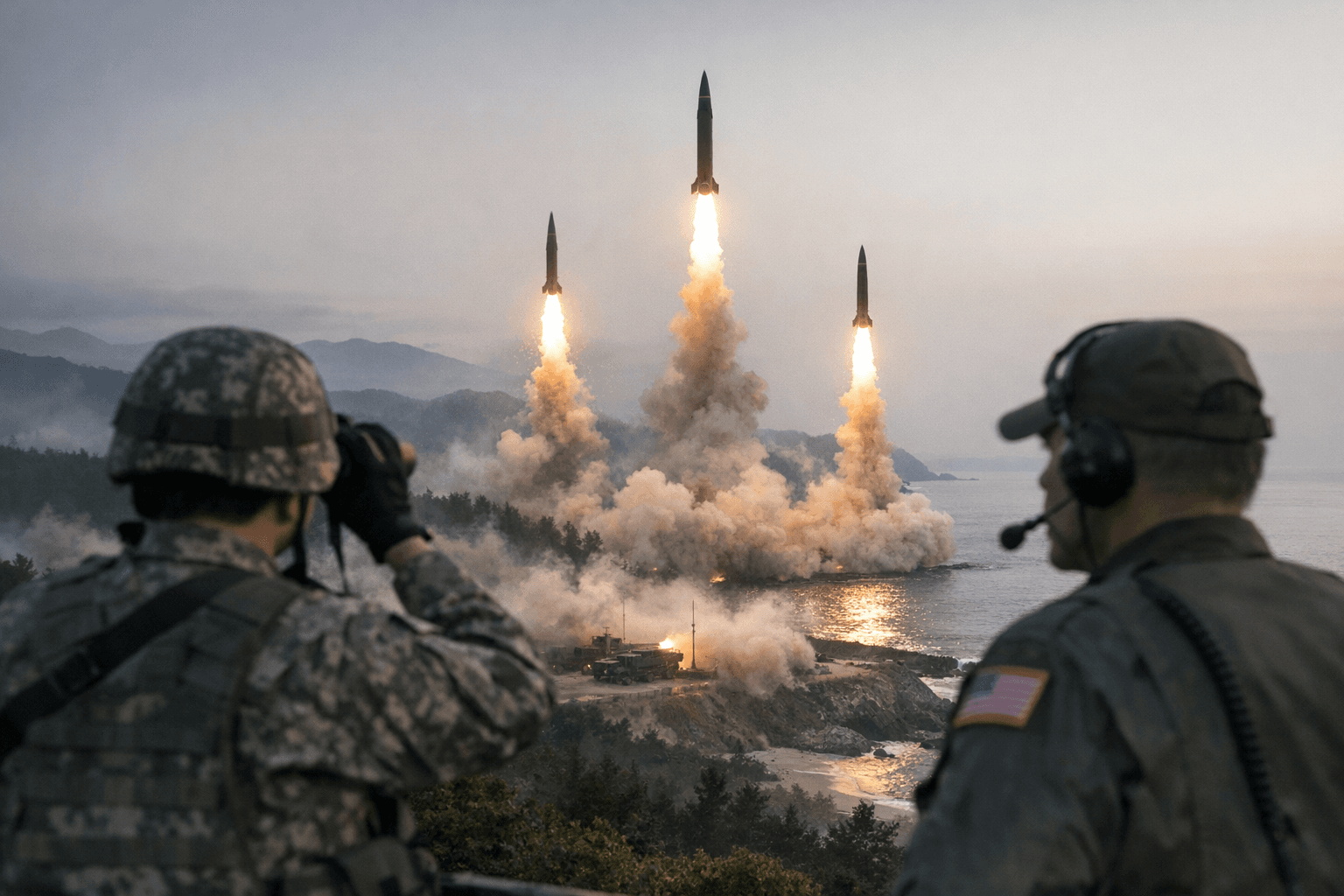
Trump struggles to reopen Hormuz as Iran rejects U.S. blockade
Iran’s reversal kept the Strait of Hormuz at the center of a global oil scare. Trump’s blockade showed how much pressure Washington can apply, and how little it can control.
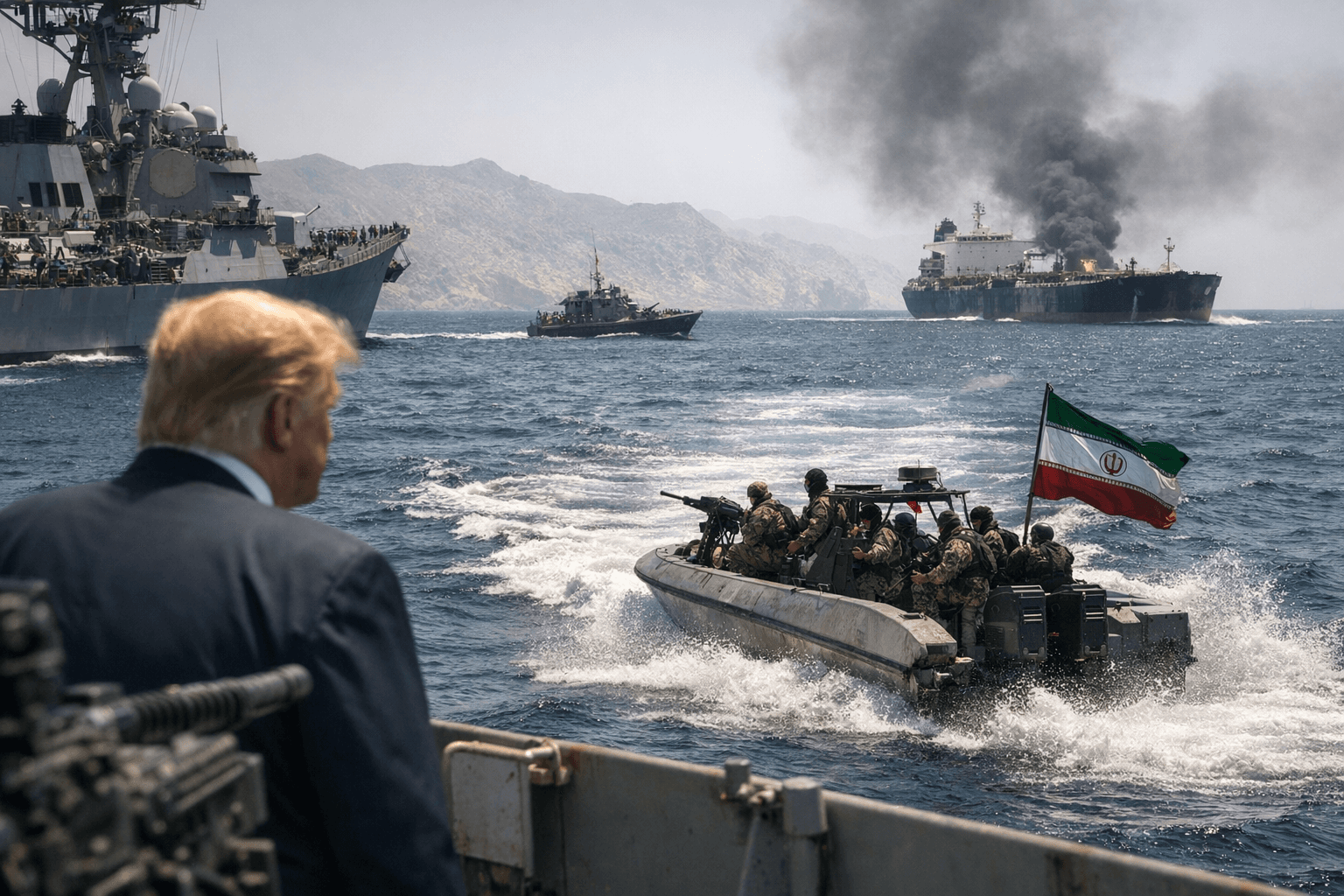
The real risk in the Strait of Hormuz was never just a diplomatic embarrassment for Washington. It was the possibility that a narrow waterway carrying about 20 million barrels a day of crude oil and petroleum products, and roughly 20% of global petroleum liquids consumption, could stay unstable long enough to lift fuel costs, freight rates and inflation far beyond the Persian Gulf.
That is why the reopening fight mattered so much. At its narrowest point, the strait is only about 29 nautical miles wide, with two-mile-wide traffic lanes, leaving tankers and other commercial ships with little room to maneuver if tensions rise. The International Energy Agency said 20 million barrels a day moved through the passage in 2025, while the U.S. Energy Information Administration said the channel handled about 20% of global petroleum liquids consumption in 2024. Even a brief disruption can ripple through energy markets, insurance premiums and shipping schedules.
The U.S. blockade that took effect on Monday, April 14, 2026, was intended to force Iran back toward a deal, but it also exposed the limits of American leverage. CNBC reported that more than 10,000 U.S. troops, over a dozen Navy ships and fighter jets were involved in the operation in the Gulf of Oman and the Arabian Sea. It also reported that more than 90% of Iran’s $109.7 billion in annual seaborne trade passed through Hormuz, and that six merchant vessels were ordered to turn back in the first 24 hours. That made the pressure on Tehran real, but it did not make the outcome controllable.
Iran briefly said the strait was open to commercial traffic, then reversed itself and closed it again on April 18, according to the Associated Press. Trump said the American blockade on Iranian ships and ports would remain in force until Tehran reached a deal, even as he told AFP on April 17 that he was “very close” to an agreement. Reuters reported the same day that no date had been set for the next round of talks, underscoring how far the diplomacy still had to go.
The political damage was immediate, too. Ann Coulter was among the conservatives mocking Trump’s announcement that the strait had reopened, a sign that the messaging was being read in Washington less as a breakthrough than as an overstatement. With Pakistani mediators still trying to keep negotiations alive, the administration’s challenge remained the same: translate military pressure into a durable agreement before the market and the region forced a worse one.
Know something we missed? Have a correction or additional information?
Submit a Tip