Pennsylvania swing districts could decide House control as voters feel squeeze
Eastern Pennsylvania’s swing districts are turning House control into a test of household survival. In Allentown and Scranton, rent, groceries and health care are outweighing party loyalty.
Eastern Pennsylvania as the warning sign
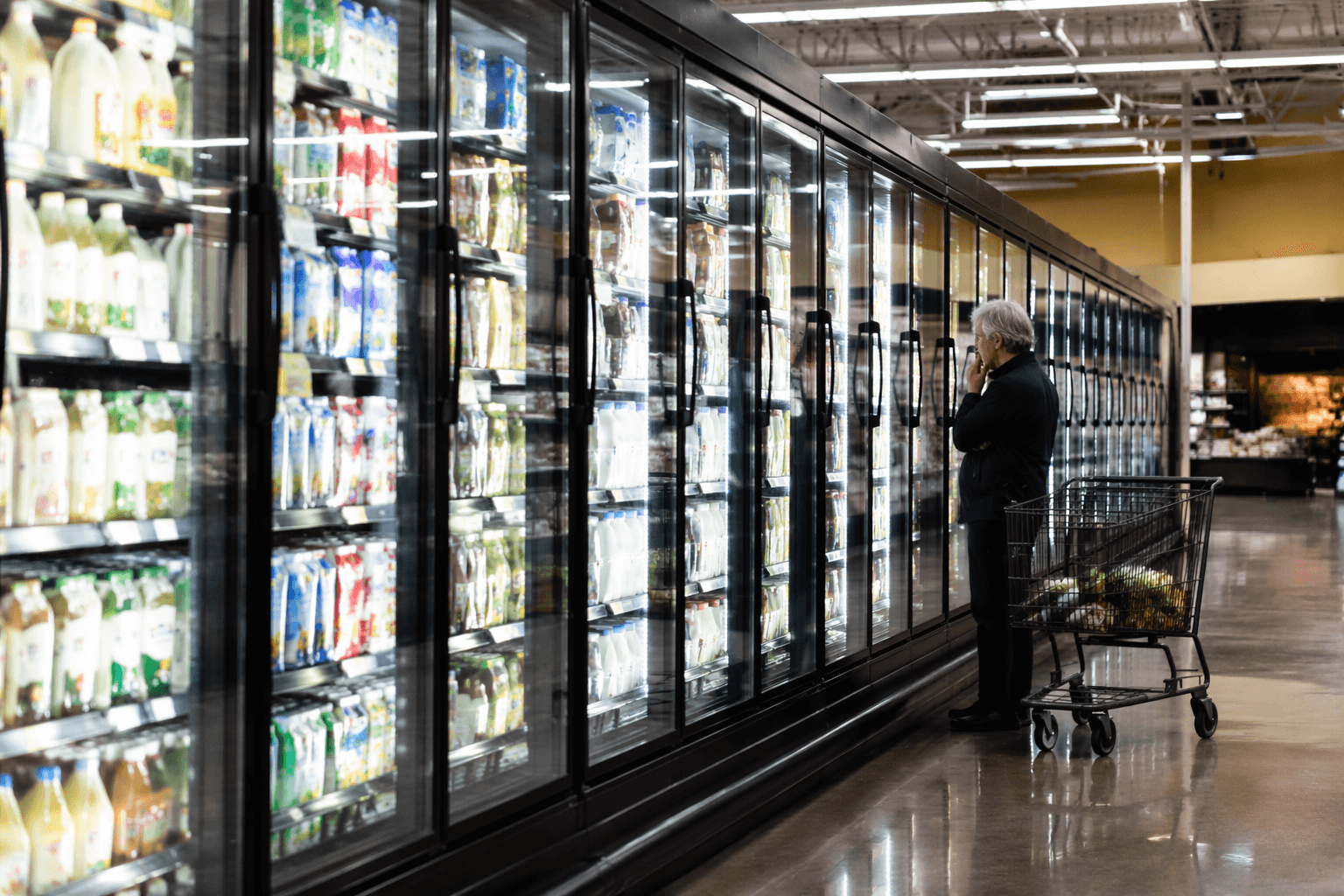
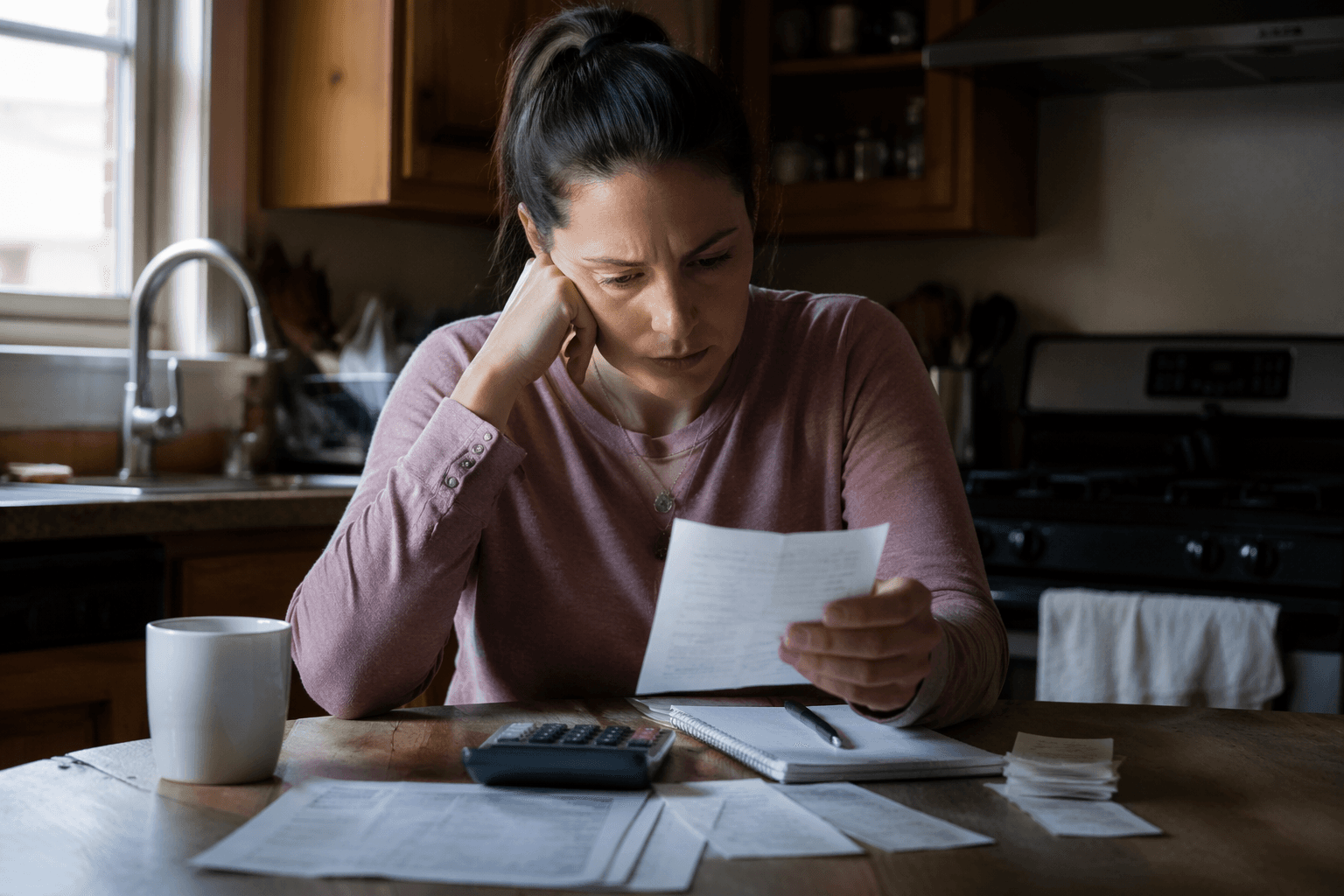
In eastern Pennsylvania, the math of daily life is starting to matter more than the usual party script. The two House districts that run through Allentown and Scranton helped Republicans win control of the U.S. House in 2024, and they are again shaping the fight for the chamber as voters describe a relentless squeeze from rent, groceries, gas, utilities and medical bills.
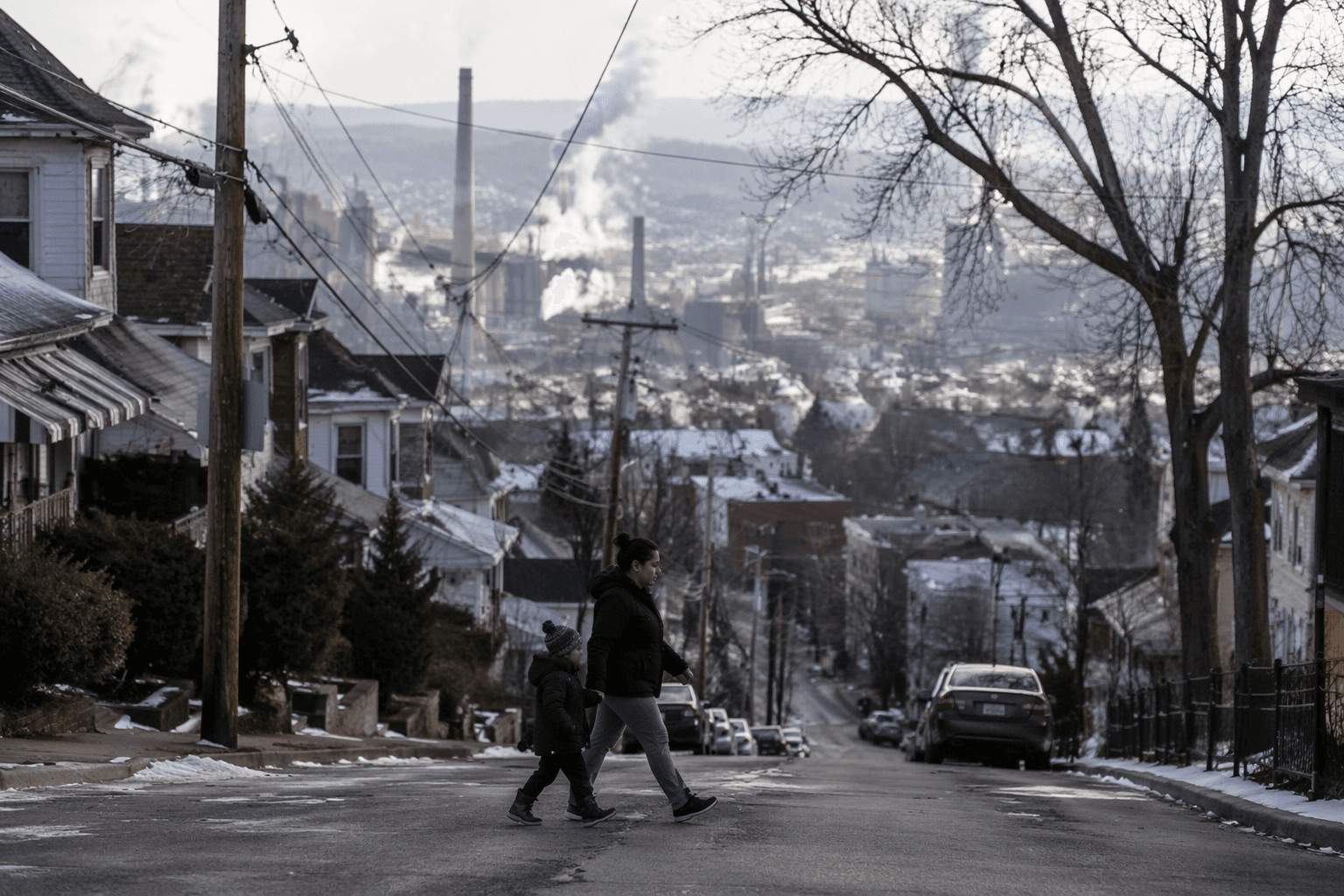
That pressure makes the region a useful barometer for the rest of the country. In places where a few hundred dollars can decide whether a family is steady or scrambling, the usual partisan cues are getting blurred by inflation fatigue and cost-of-living anxiety.
The districts that could swing control again
The political center of gravity in this fight sits in Pennsylvania’s 7th and 8th Congressional Districts. The 7th, centered on Allentown, was flipped in 2024 when Republican Ryan Mackenzie defeated Democrat Susan Wild. The 8th, centered on Scranton and Wilkes-Barre, also changed hands when Republican Rob Bresnahan Jr. beat Democrat Matt Cartwright.
Those two GOP gains were part of the broader Republican takeover of the House in the 2024 election, which is why both districts now carry national weight beyond their county lines. AP’s 2026 House primary coverage says Democrats are again targeting the 7th District in November, while the 8th remains a key battleground that neither side can afford to ignore.
The stakes are heightened by the narrowness of the terrain. These are not deep-red districts with comfortable margins; they are places where a small shift in turnout, persuasion or economic mood can alter who controls the chamber.
Why the economy is drowning out ideology
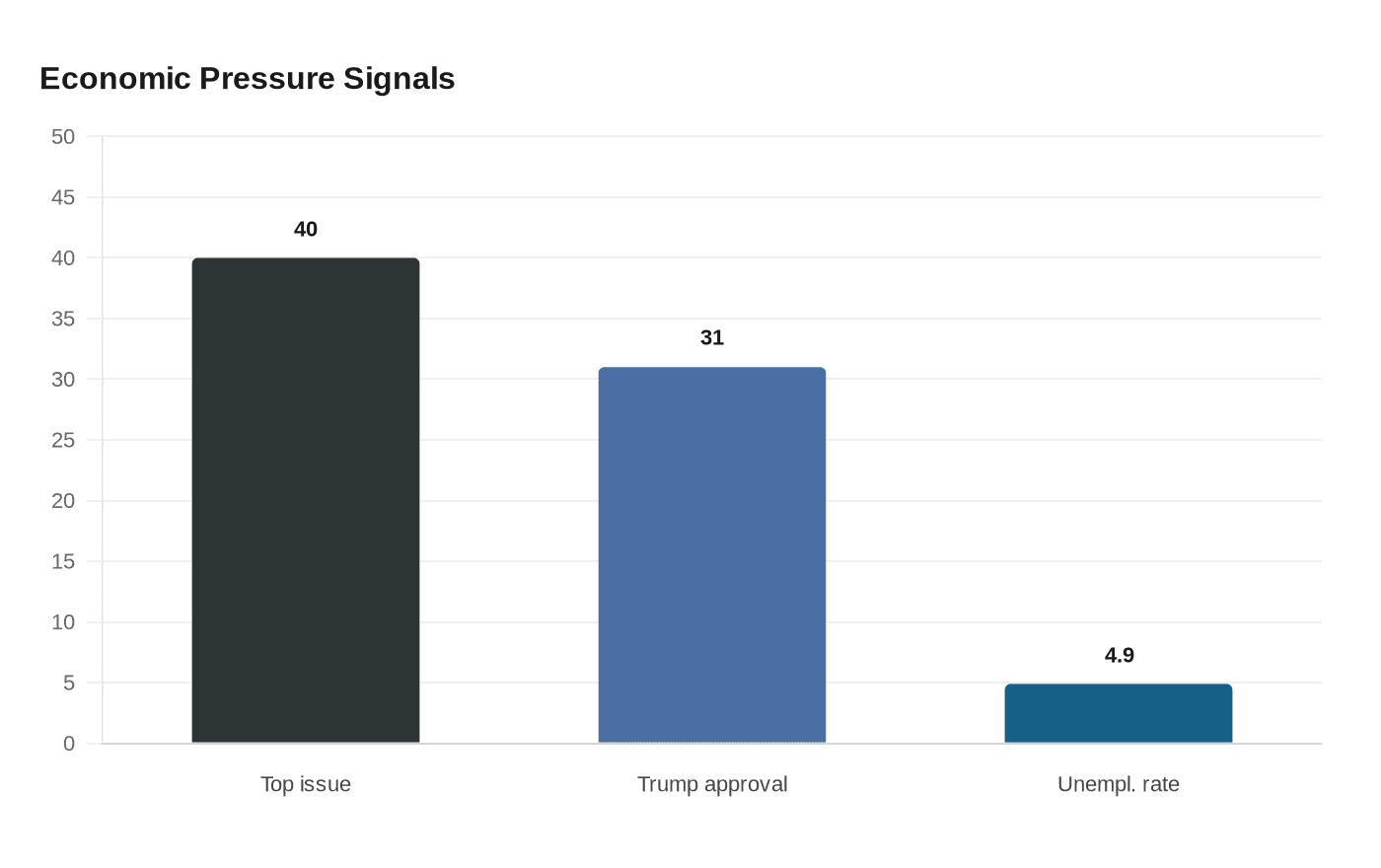
AP VoteCast found that the economy was the top issue for about 4 in 10 voters nationally in 2024, and AP-NORC surveyed 139,938 registered voters between Oct. 28 and Nov. 5, 2024. Pennsylvania voters were part of that same pattern, with the economy emerging as a central issue there as well.
That matters because the state’s political story in 2024 was not just about candidate quality or party identity. AP’s Pennsylvania results coverage noted that Donald Trump carried the state and improved his standing outside Philadelphia and its suburbs, while cutting into Democratic margins in those areas. The result is a warning for both parties: economic anxiety can reshape coalitions faster than ideology can hold them together.
The latest polling underscores how fragile the Republican economic argument remains. In AP-NORC polling cited in recent reporting, only 31% of U.S. adults approved of how Trump was handling the economy, down from 40% in March. For Republicans trying to defend swing-seat gains, that drop is a political hazard. For Democrats, it is an opening, but only if they can translate frustration into a message that feels immediate and credible.
Allentown voters are doing the household math
Recent reporting from Allentown and the Lehigh Valley shows how little patience many voters have for abstract political talk. Residents are talking in concrete numbers: food costs, rent, utilities, gas, housing and health care all feel too high at once. When every major household expense is rising together, even a modest paycheck can stop stretching before the month ends.
That is why the story in the Lehigh Valley is not just about inflation in the abstract. Spotlight PA and NOTUS reported that about 136,500 families in the greater Lehigh Valley struggle to cover expenses, and that Lehigh County unemployment stands at 4.9%. Those figures help explain why frustration is cutting across party lines and why some lifelong Republicans in the area are now saying they have lost faith in how their party is handling the cost of living.
The region’s economic history deepens that unease. Local interviews describe a place that never fully recovered from the decline of former coal and steel towns and now leans heavily on lower-wage work. That leaves many families exposed when food, rent and insurance all climb at once, because there is little cushion left in the budget to absorb a shock.
Scranton’s labor market is softening too
The pressure is just as visible farther north. The Bureau of Labor Statistics’ Scranton area summary, updated May 4, 2026, put the local unemployment rate at 5.0%, above both the national rate of 4.5% and Pennsylvania’s 4.5%. It also showed average weekly wages in the Scranton area at $1,095, far below the national average of $1,459.
That wage gap matters because it turns every price increase into a harder blow. A region with lower wages and a softer labor market gives voters fewer ways to recover from higher bills, and that makes economic trust a more valuable political currency than partisan slogans.
The 8th District, which includes Scranton and nearby counties such as Lackawanna, Luzerne and Wyoming, now sits at the center of that tension. A district that already flipped once in 2024 is now being judged not only on candidate identity, but on whether families believe their elected officials understand how thin the margin has become between stability and stress.
What both parties are being forced to learn
Republicans have tried to answer that anxiety directly. Recent reporting notes that Vice President JD Vance visited Allentown and blamed the Biden administration for the affordability crisis, while the Trump White House has also tried to respond with visits and speeches aimed at economic anger. But blame alone does not solve a monthly budget, and voters in the Lehigh Valley are signaling that they want relief, not just a culprit.
That is the message national parties are likely to absorb as 2026 develops. Republicans cannot assume that a state Trump won in 2024 will automatically stay aligned if households keep feeling squeezed and approval of the president’s handling of the economy remains weak. Democrats, meanwhile, cannot rely only on anti-Trump sentiment; they have to speak to rent, wages, groceries and health care in a way that sounds practical rather than abstract.
Eastern Pennsylvania is showing what happens when inflation fatigue collides with political exhaustion. In the 7th and 8th Districts, the battle for House control may come down to which party proves it understands the cost of living not as a talking point, but as the difference between getting by and falling behind.
Know something we missed? Have a correction or additional information?
Submit a Tip