Pentagon Budget Proposes $7 Billion Surge for Tomahawk and SM-6 Missiles
The Pentagon's latest budget request seeks roughly $7.3B to expand Tomahawk and SM-6 stockpiles, citing depleted missile stocks from high-tempo operations in multiple maritime theaters.

The Pentagon's latest defense budget request called for approximately $7.3 billion in combined procurement for two of the Navy's most consequential munitions, proposing roughly $3 billion for new Tomahawk cruise missile variants and $4.3 billion for Standard Missile-6 interceptors. The figures, drawn from formal Navy budget documents and Pentagon briefings submitted for Congressional consideration, mark what officials characterized as "massive purchase increases" for both weapon families.
The scale of the request reflects an acknowledgment that U.S. missile stockpiles have come under serious strain. High-intensity operations tied to the U.S.-Israeli campaign in the Middle East and extended confrontations with Iranian-aligned forces across critical sea lanes have accelerated consumption rates well beyond peacetime planning assumptions. Navy budget materials identified missile readiness as a critical near-term shortfall requiring immediate correction.
Both weapons carry distinct but complementary roles in fleet strategy. Tomahawk cruise missiles, launched from surface ships and submarines, provide the Navy's primary long-range land-attack strike capability. SM-6 interceptors serve a layered defensive function, combining anti-air coverage with a limited anti-ship role, giving fleet commanders options against both aerial threats and surface targets. Procurement lines of $3 billion and $4.3 billion suggest multi-year purchase agreements and potentially accelerated production contracts with manufacturers, structured to both replenish consumed inventory and hedge against future operational demands.
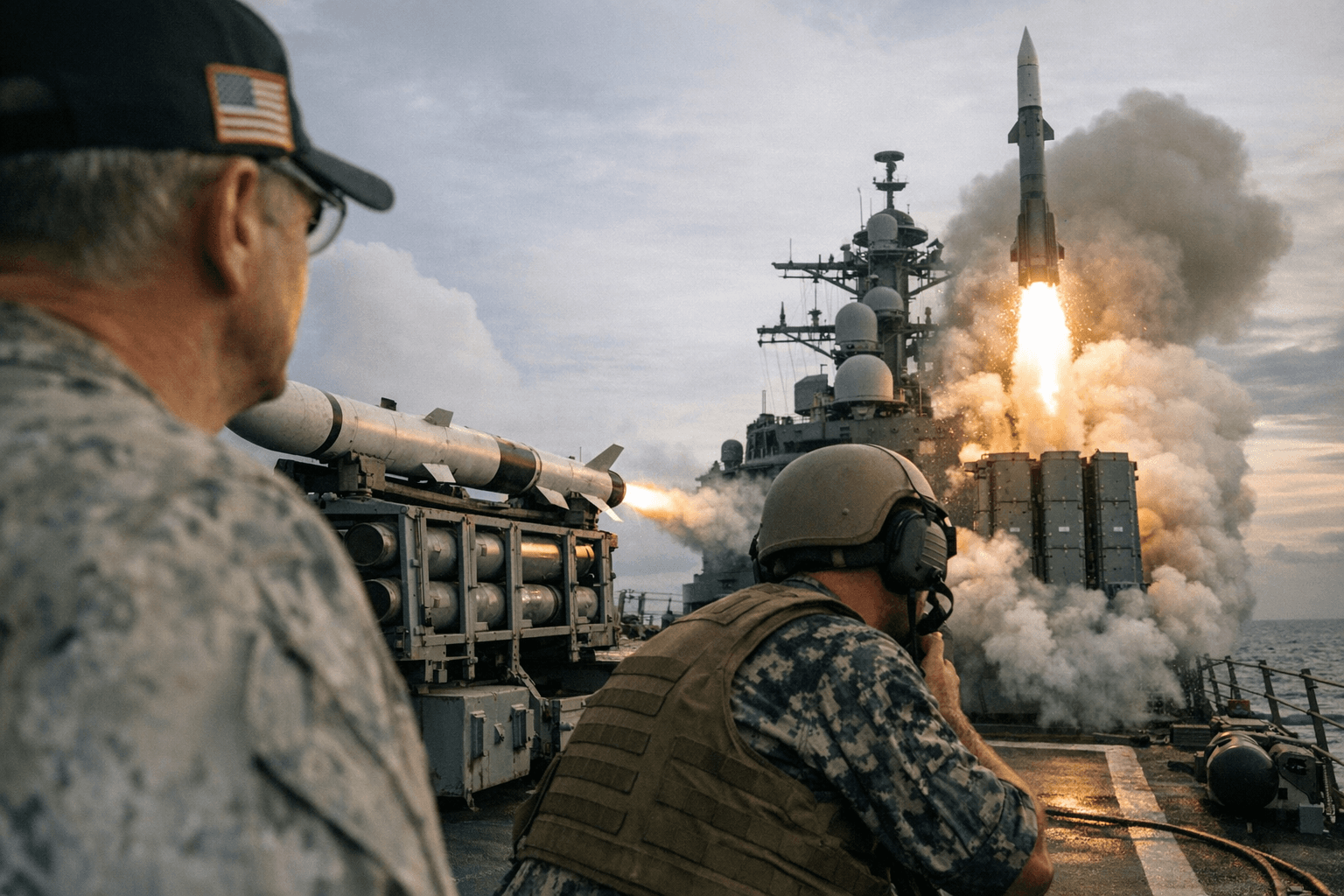
The request arrived alongside broader Navy fiscal year submissions emphasizing shipbuilding, munitions production, and supply chain resilience. Defense analysts noted, however, that rapid procurement ramps carry their own risks: without parallel investment in production line capacity and supplier infrastructure, accelerated buying schedules can create bottlenecks that delay actual delivery of finished munitions. The components that feed Tomahawk and SM-6 manufacturing involve specialized subcontractors whose capacity cannot be scaled overnight.
Congressional scrutiny of the figures is inevitable. Defense-minded lawmakers are likely to support the buys as necessary tools of deterrence and alliance reassurance, particularly given the demonstrated operational pace of recent years. Fiscal conservatives and domestic-spending advocates will press for offsets elsewhere in the budget, framing a $7.3 billion munitions surge as a zero-sum competition with domestic priorities. Authorizers and appropriators on the armed services and defense appropriations committees will ultimately shape what, if anything, survives into a final spending bill.
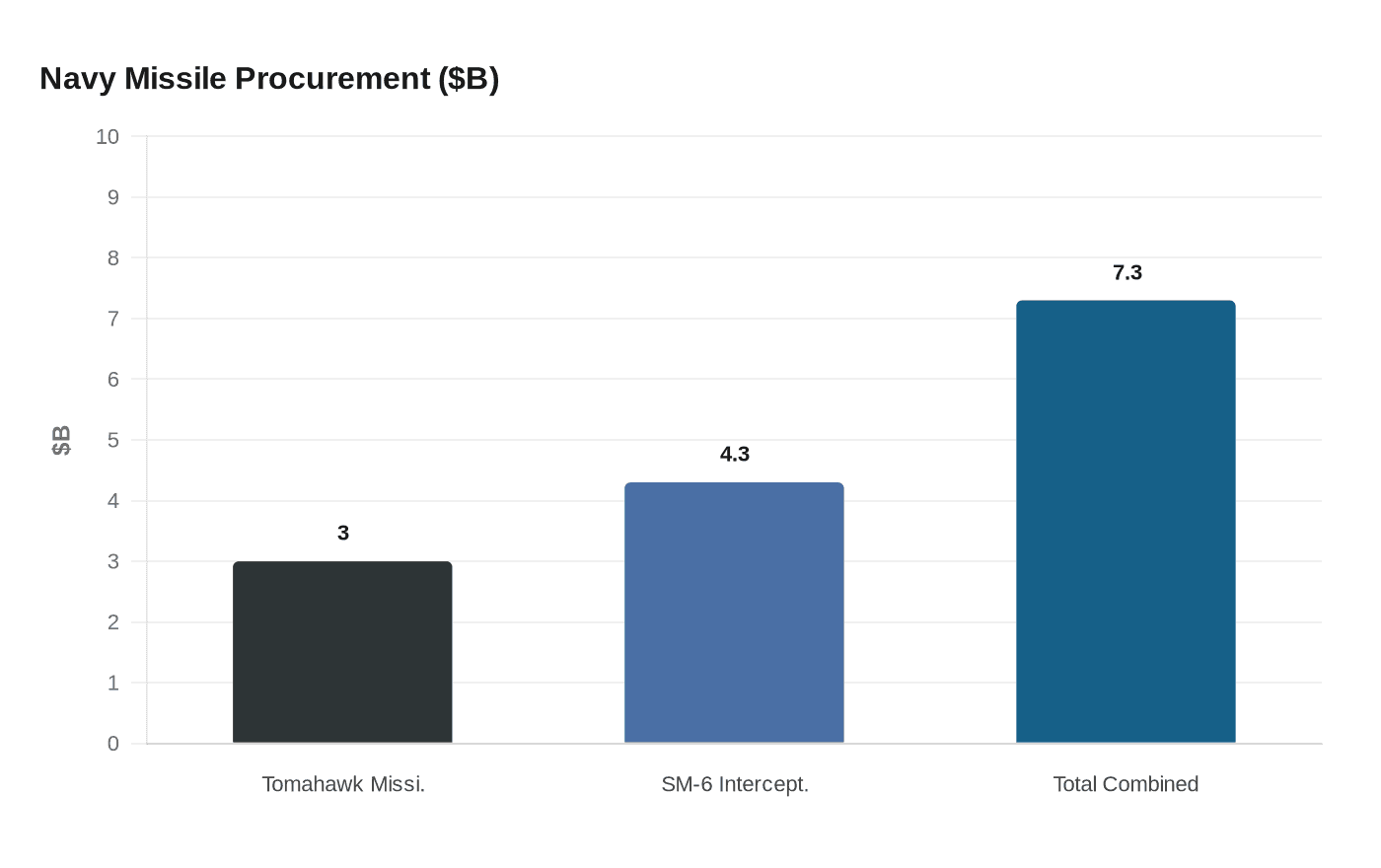
The broader signal embedded in the request is harder to dismiss than any single line item. The Pentagon's decision to anchor two of its largest procurement asks around specific cruise missile and interceptor families underscores a strategic reality U.S. planners have been reluctant to state plainly: prolonged high-tempo operations consume munitions at rates the existing industrial base was not designed to sustain. Restoring that capacity, the budget documents argued, is not an optional modernization goal but a core readiness requirement.
This article was produced by Prism’s automated news system from verified source data, official records, and press releases, then run through automated quality and moderation checks before publishing. The system is built and supervised by the people who set the standards it runs under. Read our full AI policy.
Did this article answer your question?