Pentagon cancels 4,000 troop deployment to Poland in Europe drawdown
The Pentagon scrapped a 4,000-soldier Poland deployment, a move that could cut U.S. combat power there by nearly half and unsettle NATO allies on Russia’s border.

The Pentagon canceled a planned deployment of about 4,000 U.S.-based troops to Poland, abruptly halting a rotation that would have strengthened America’s frontline posture on NATO’s eastern flank. The decision landed as U.S. allies are watching for signs of whether Washington is adjusting its force posture or stepping back from the security guarantees that expanded after Russia’s invasion of Ukraine.
The troops were drawn from the Army’s 2nd Armored Brigade Combat Team, 1st Cavalry Division. ABC News reported that scrapping the deployment would cut U.S. combat power in Poland by nearly half, a sharp reduction for a country that has leaned heavily on the American presence as a deterrent against Moscow. The Pentagon also canceled some planned deployments to Germany, signaling that the drawdown is aimed at halting new rotations rather than pulling back forces already stationed in Europe.
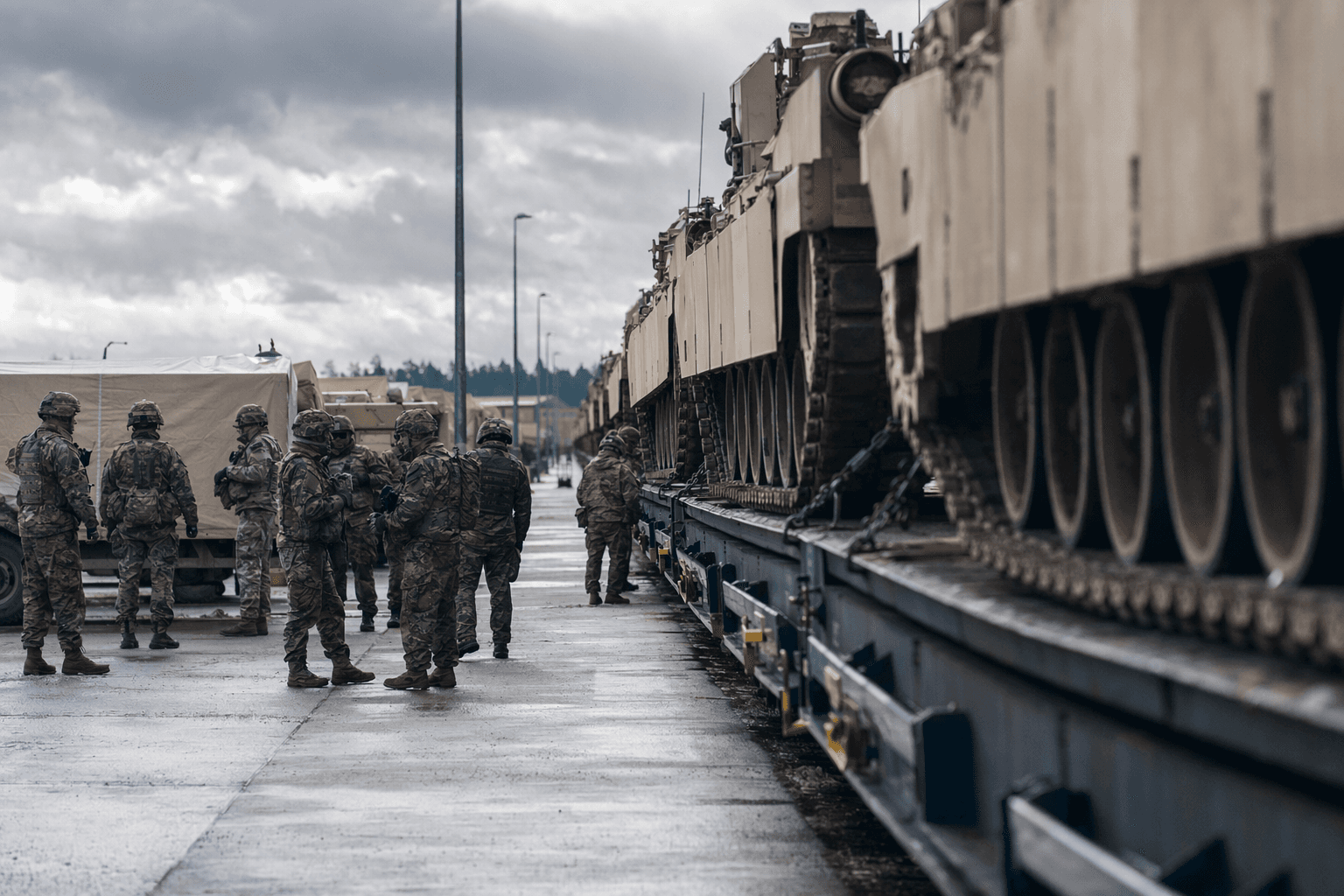
The change follows a memo signed by Defense Secretary Pete Hegseth directing the Joint Chiefs of Staff to move a brigade combat team out of Europe. Pentagon spokesman Joel Valdez said the decision came through a “comprehensive, multilayered process” and was “not an unexpected, last-minute decision.” The administration has already taken a broader step toward lowering the American footprint: on May 1, 2026, the Pentagon announced plans to withdraw 5,000 troops from Germany over six to 12 months.
Those moves mark a reversal from the surge that followed Russia’s full-scale invasion of Ukraine in February 2022, when U.S. troop levels in Europe rose to more than 100,000 from roughly 80,000 before the war. The current posture still leaves the United States with one of its largest military presences on the continent, but the direction of travel is clear: fewer forward deployments, less reinforcement, and a return toward prewar levels.
The Poland decision immediately triggered concern in Washington and Europe. Polish officials said they had been blindsided, even as they insisted the change did not undermine Poland’s security. Lawmakers, including top Republicans, criticized the move as a blow to NATO reassurance and a setback for a key ally that sits closest to the alliance’s eastern frontier.
For Russia, the cancellation signals something more consequential than a paperwork change. It suggests that Washington is willing to reduce visible military commitments in Europe even as the war in Ukraine continues and transatlantic tensions remain high. For NATO allies, especially those on the eastern flank, the question is whether this is a tactical adjustment or the start of a broader retreat from the post-Ukraine security posture that has anchored deterrence for the last three years.
This article was produced by Prism’s automated news system from verified source data, official records, and press releases, then run through automated quality and moderation checks before publishing. The system is built and supervised by the people who set the standards it runs under. Read our full AI policy.
Did this article answer your question?