Pentagon Deploys 2,000 Paratroopers to Middle East, Sends Iran Peace Plan
The Pentagon ordered up to 3,000 82nd Airborne paratroopers to the Middle East as the U.S. sent Tehran a 15-point peace plan routed through Pakistan.
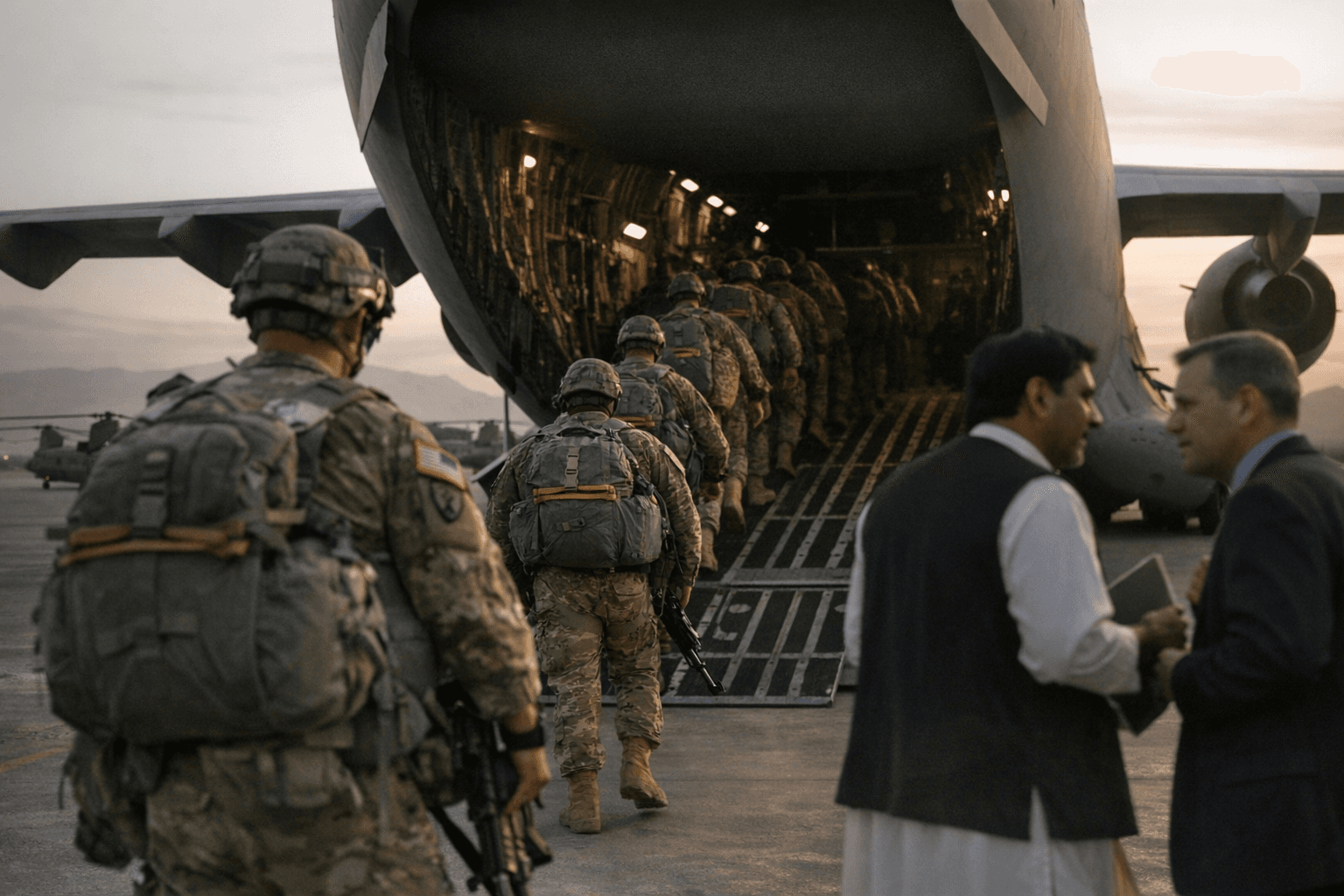
Between 2,000 and 3,000 U.S. Army paratroopers from the 82nd Airborne Division received written orders to deploy to the Middle East Tuesday, even as the Trump administration simultaneously handed Iran a 15-point plan for ending the war, according to officials briefed on the diplomacy. The parallel moves laid bare the administration's central strategic tension: expand its military footprint while leaving the door open to a negotiated exit.
A Defense Department spokesperson confirmed that "elements of the 82nd Airborne Division HQs, some division enablers and the 1st BCT will be deploying to the CENTCOM AOR," adding that "due to operations security we have nothing additional to provide at this time." The Pentagon did not specify the size, duration, or mission of the deployment. The troops are expected to come from the division's Immediate Response Force, which can mobilize worldwide within 18 hours.
The troop order aimed to give President Trump more military options even as he weighed the new diplomatic initiative, two Defense Department officials said. Officials said the staging location would be within striking distance of Iran, though the exact site remains undisclosed. One potential objective in Pentagon planning: the Trump administration has been weighing using U.S. troops to seize Kharg Island in the northeastern Persian Gulf, an economic lifeline for Iran that handles roughly 90 percent of the country's crude exports, as leverage to coerce Tehran to reopen the Strait of Hormuz.
The U.S. military had already targeted Kharg with strikes on March 13, with Central Command saying that 90 targets had been hit, including "naval mine storage facilities, missile storage bunkers, and multiple other military sites." Iran has since been laying traps and moving additional military personnel and air defenses to the island in recent weeks in preparation for a possible U.S. operation to take control of it.
The deployment, combined with two Marine Expeditionary Units already moving toward the Persian Gulf, could bring 6,000 to 8,000 U.S. ground troops into close proximity to Iran. All of this would supplement some 50,000 troops already present in the Middle East under the Pentagon's operation known as Epic Fury.
On the diplomatic front, the United States sent Iran a 15-point plan to end the war, according to two officials briefed on the diplomacy, reflecting the Trump administration's eagerness to find an offramp from a conflict rattling the global economy. Two Pakistani officials confirmed Wednesday that Iran has received the proposal. Pakistani Prime Minister Shehbaz Sharif said on social media his country "stands ready" to facilitate talks, tagging the accounts of President Trump, U.S. envoy Steve Witkoff and Iranian Foreign Minister Abbas Araghchi.
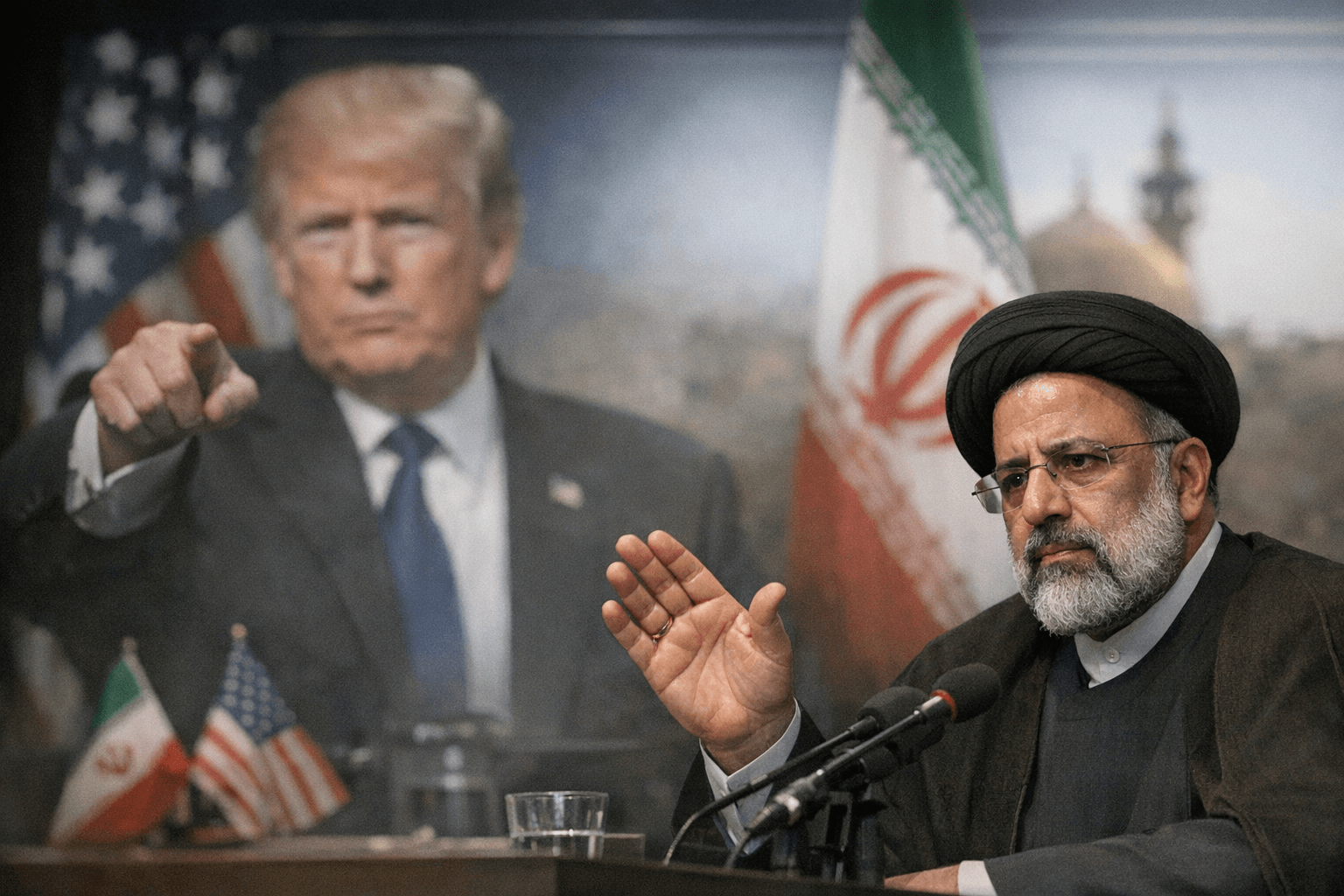
Tehran's response was sharp denial. Iranian officials continued to deny that talks were underway, even as Trump publicly said U.S. officials were negotiating. In a recorded video statement aired on Iranian state television, Iranian military spokesperson Lt. Col. Ebrahim Zolfaghari said there were no talks between the United States and Iran. Iran's parliamentary speaker Mohammad Bagher Ghalibaf warned that Iran was "closely monitoring all U.S. movements in the region, especially troop deployments," adding: "Do not test our resolve to defend our land."
Whether Israel supports the 15-point proposal also remains unresolved. Israel has been conducting joint strikes with U.S. forces against Iran throughout the conflict, which began February 28. Israel's defense minister and chief of staff approved a new round of targets in Iran and Lebanon Wednesday, and the Israeli military has already fired more than 15,000 munitions across Iran since the war began.
House Speaker Mike Johnson said Wednesday that Operation Epic Fury is "almost done" and is "wrapping up," a characterization that stood in stark contrast to the simultaneous dispatch of thousands of additional troops and the persistence of active exchanges of fire across multiple fronts. Amid the market tumult, concerns have also been raised about possible insider trading after an unusual spike in oil futures transactions just before Trump announced talks with Iran.
Oil prices have surged globally since Iran's blockade of the Strait of Hormuz and continuous attacks on energy infrastructure in Gulf countries, with senior international officials warning of the biggest global energy security crisis in years. Whether a small island in the northern Persian Gulf becomes the fulcrum that forces a deal, or the flashpoint for an even wider ground war, is now the defining question of a conflict with no certain end.
Sources:
Know something we missed? Have a correction or additional information?
Submit a Tip