US-Ecuador Strike Touted as Drug Camp Destruction Hit Cattle Farm, Probe Finds
A 66-year-old farm worker hid in bushes as bombs fell on what he says was a dairy farm; the U.S. and Ecuador called it a narco-terrorist training camp.
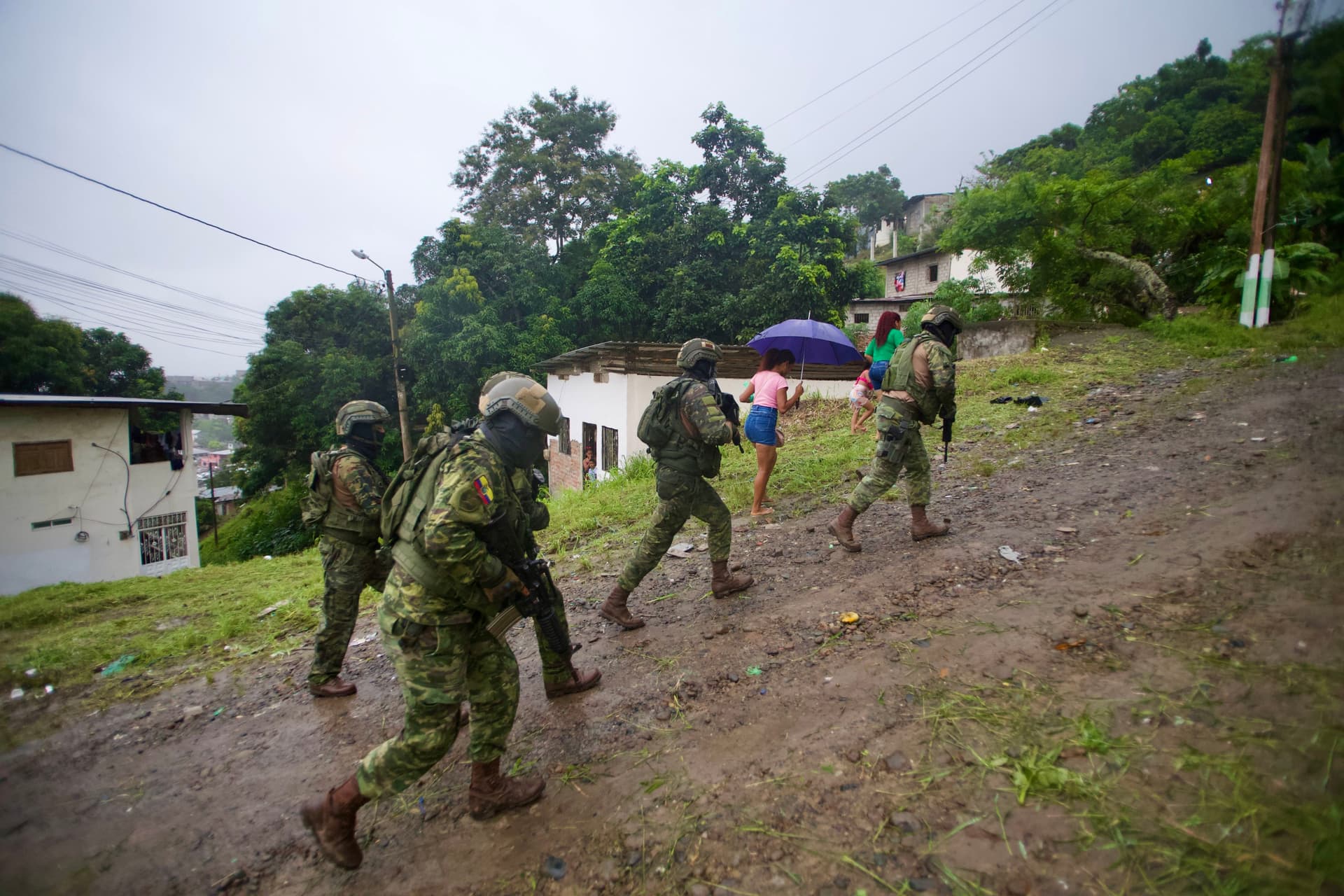
José Peña, 66, hid in the bushes as two Ecuadorian military helicopters thudded overhead, then felt an explosion that "shook everything" and pulverized the farm where he worked. The U.S. and Ecuadorian governments had a different description for what was destroyed that day: a terrorist training camp.
The military strike appears to have destroyed a cattle and dairy farm, not a drug trafficking compound, according to interviews with the farm's owner, four of its workers, human rights lawyers, and residents and leaders in San Martín, the remote farming village in northern Ecuador where the strike took place.
As President Donald Trump prepared to welcome conservative Latin American leaders to a summit in Florida in early March, U.S. officials released a video of a massive explosion capturing the destruction of what they said was a drug trafficker's training camp in rural Ecuador. The video was meant to show that the U.S. military was "now bombing Narco Terrorists on land," Defense Secretary Pete Hegseth wrote on social media. Pentagon spokesman Sean Parnell declared on X that the U.S. and Ecuador had completed a "successful operation against a narco-terrorist supply complex."
The farm's owner, Miguel, told investigators he paid $9,000 for the 350-acre property six years ago, growing it into an operation with more than 50 cows for dairy and beef. He provided the land's property title listing him as the owner and photos of the farm before its destruction. "It's an outrage," Miguel said.
The farm's owner and employees, as well as residents of the village, described how Ecuadorian soldiers helicoptered in, covered structures in gasoline, burned them, and beat four workers with the butts of their guns. One worker repeatedly passed out after being dunked into a barrel of water. Workers also claimed they were subjected to electrical shocks after being flown to a second location for interrogation and held overnight.
Residents of the village said that while the burning had occurred on March 3, helicopters returned to the site three days later and appeared to drop explosives on the already-destroyed farm. Specialists determined the device used was a Mark-82 bomb of U.S. origin, weighing approximately 227 kilograms and widely used in military operations.
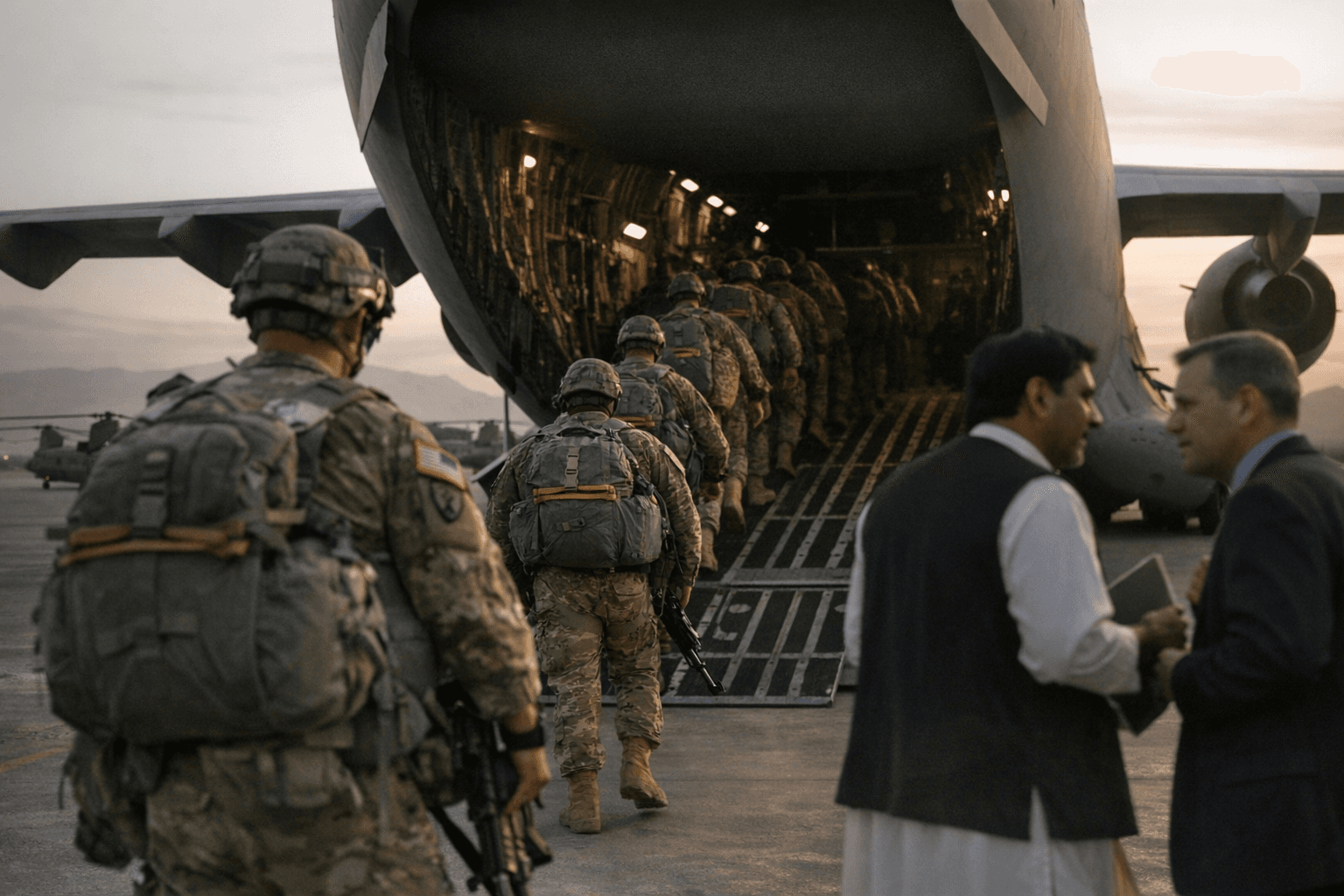
Though the Pentagon said it had "executed targeted action" against the site at Ecuador's request, four people with knowledge of the operation said U.S. troops had no direct involvement in the strike shown in the video, three of whom spoke on the condition of anonymity. Pentagon press secretary Kingsley Wilson confirmed the strike was conducted "jointly" with Ecuador, adding that "due to operations security, we will not discuss specific tactics or targeting details."
The Ecuadorian military referred questions to President Daniel Noboa, who did not respond to a detailed list of questions. In an Instagram post accompanied by video of a house exploding in a forested area, Noboa had written: "We destroyed the hideout of Mono Tole, the leader of the CDF (Border Commandos), and a training area for drug traffickers."
AFP visited the bombed site and found "no sign of drug production or trafficking," instead reporting dead animals, a charred lemon tree, and an avocado tree.
The Alliance for Human Rights, a coalition of groups in Ecuador, filed a 13-page complaint with the Ecuadorian authorities and the United Nations, claiming that the military's actions were attacks on a civilian population. "There isn't a single public official who has come to verify what happened," said María Espinosa, a human rights lawyer.
Some San Martín residents wondered whether the government had used the strike on the farm to drum up support for its crackdown on the country's violent drug gangs. "All we want is for the truth to come out," said Vicente Garrido, the vice president of the San Martín village board. "They say it was some training camp, but it's becoming clear that they were just homes."
The strike is part of a broader Trump administration campaign. As of March 20, at least 159 people had been killed in 46 strikes on 47 vessels as part of the same anti-narcotics military push. Ecuador does not produce cocaine but is a top exporter of cocaine smuggled from Colombia and Peru. Ecuadorian drug gangs partnered with foreign cartels have recently turned the once-peaceful country into one of Latin America's most violent. The San Martín investigation now stands as the sharpest challenge yet to the administration's claim that its expanding land war on narcotics is hitting its intended targets.
Sources:
Know something we missed? Have a correction or additional information?
Submit a Tip