Pentagon report sparks concern over US stance on Falklands sovereignty
A leaked Pentagon email raised talk of reviewing U.S. support for the Falklands, but London says sovereignty “rests with the UK” and has not shifted.

A reported Pentagon review of U.S. policy on the Falkland Islands has unsettled London because it touched a raw sovereignty dispute, not just a diplomatic side issue. The internal email was said to consider a change in Washington’s position as retaliation for Britain not joining the Iran war, and it also reportedly floated measures against other NATO allies, including Spain.
Downing Street moved quickly to contain the damage. A spokesperson for Prime Minister Keir Starmer said the sovereignty of the Falkland Islands “rests with the UK” and repeated that Britain’s position is long-standing, unchanged and tied to the islanders’ right to self-determination. The government also said it has made that position clear to successive U.S. administrations, underlining how sensitive any hint of wavering American backing would be in London, Buenos Aires and Stanley.
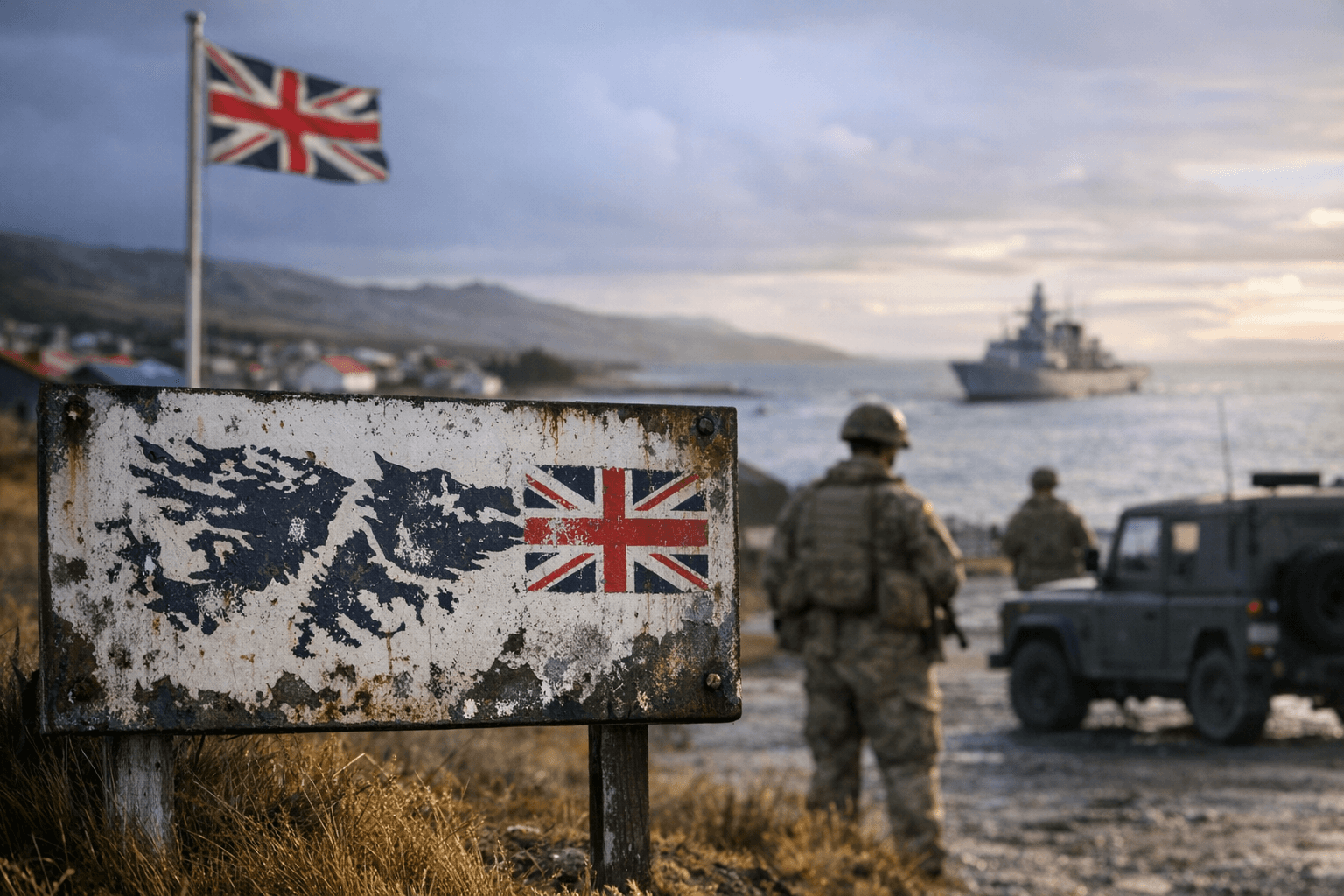
The timing matters because the Falklands remain one of the most politically charged territorial disputes in the South Atlantic. Argentina invaded the islands on 2 April 1982, triggering a 10-week conflict that ended on 14 June 1982 with British control restored. That history still shapes how any suggestion of international pressure is received, especially when it comes from Washington rather than Buenos Aires.
The islanders have answered the sovereignty question themselves in unmistakable terms. In the 2013 referendum, 99.8% voted to remain a British Overseas Territory, with turnout at 92% and only three votes cast against. The Government of Argentina has previously dismissed that result as lacking legal value, which is why the dispute remains alive diplomatically even if it has long been settled in practice on the islands.
For now, the episode looks more like an alliance stress test than a sign of imminent policy change. A leaked internal email can signal frustration inside a U.S. bureaucracy, but it does not by itself amount to a formal shift in American policy. Still, by placing the Falklands inside a retaliation discussion linked to Iran and NATO solidarity, the Pentagon review exposed how quickly a familiar sovereignty dispute can become a wider measure of friction in the U.S.-UK relationship.
Sources:
Know something we missed? Have a correction or additional information?
Submit a Tip