Pentagon says Iran war costs have reached $29 billion
The Pentagon’s Iran war bill hit $29 billion as new education data showed math gains are finally taking hold in many districts.
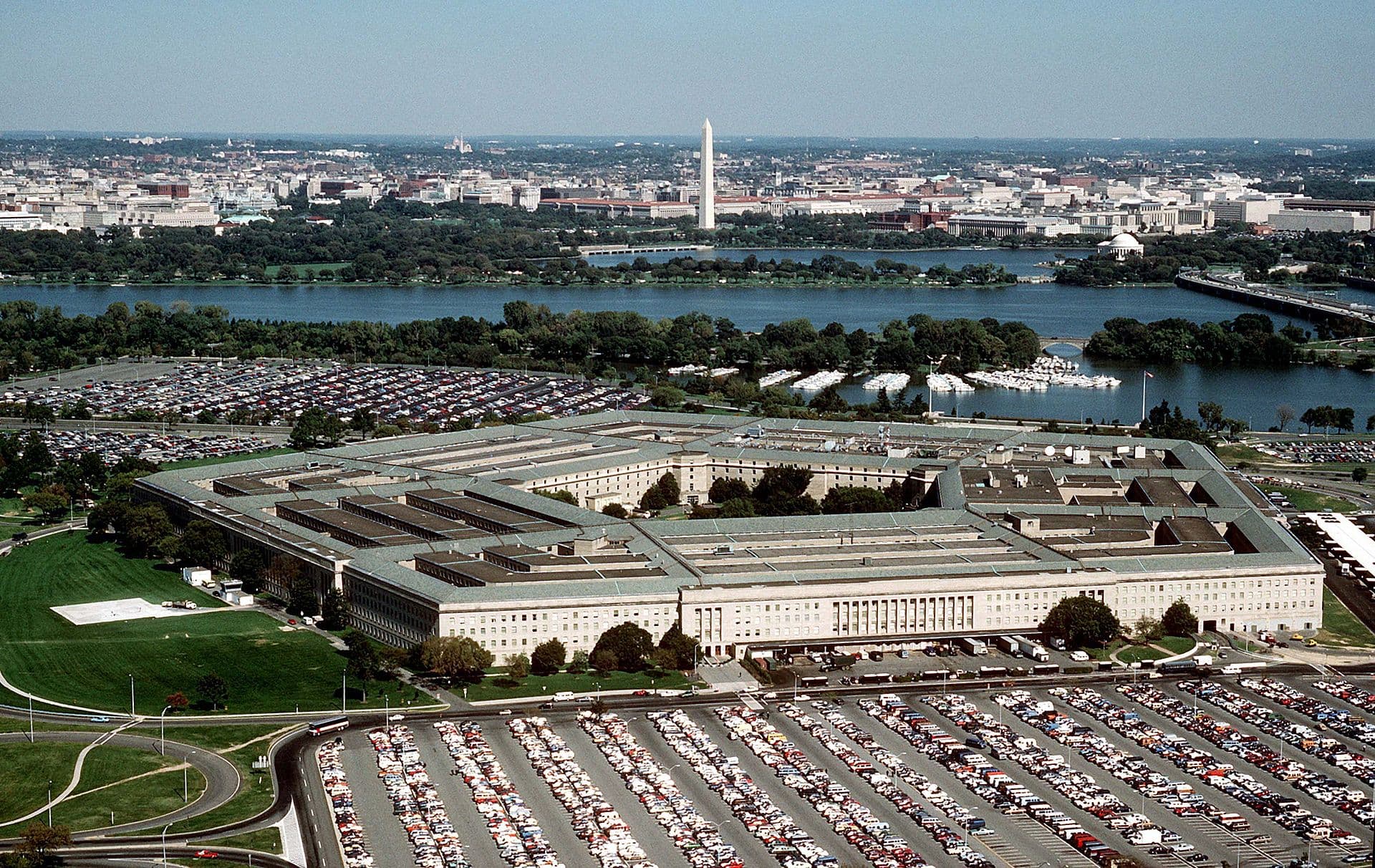
The Iran war has become a $29 billion budget line at the Pentagon, and the price keeps climbing even as U.S. combat operations have largely ceased. Acting Pentagon Comptroller Jules Hurst III gave the updated estimate to lawmakers on May 12 during back-to-back House and Senate Appropriations budget hearings in Washington, where Defense Secretary Pete Hegseth and Joint Chiefs Chair Gen. Dan Caine were also on Capitol Hill.
The latest figure is up from the $25 billion the administration had told lawmakers just two weeks earlier. Hurst said the increase reflected updated repair and replacement costs for equipment, along with the general expense of sustaining forces in theater. Lawmakers have been pressing the Defense Department for a more detailed accounting as it seeks additional funding, a demand that has only grown more pointed as the conflict’s direct combat phase recedes and the spending continues.

The budget pressure arrives at a politically sensitive moment, with gas prices and inflation still elevated and attention on every new federal outlay. The Pentagon’s estimate covers near-term military expenses, not the broader economic toll that outside analysts have argued is far larger. Even so, the figure underscores a hard trade-off: money committed to war cannot be used at home, where schools, districts and state budgets are still working through the aftereffects of the pandemic.
That domestic side of the ledger offered a different kind of number a day later. The new Education Recovery Scorecard, released Wednesday, is the fourth annual edition from Harvard’s Center for Education Policy Research, Stanford’s Educational Opportunity Project and Dartmouth faculty. Based on state test data for roughly 35 million students in grades 3 through 8, and extending through the 2024-2025 school year, the scorecard says U.S. students are improving in math, but not evenly.
The researchers describe a “U-shaped recovery,” with high-income and low-income districts improving fastest while middle-income districts lag. More than 100 districts are now improving faster than their peers in both math and reading, but chronic absenteeism remains a drag. Earlier scorecard work found students were still nearly half a grade level behind in both subjects in spring 2024, even as federal NAEP results showed fourth-grade math rose nationally by 2 points in 2024 while eighth-grade math did not change significantly.
Taken together, the Pentagon’s swelling war bill and the education recovery numbers point to the same governing reality: Washington is making consequential choices under pressure, and the public is left to judge whether the spending delivers security abroad and measurable results at home.
This article was produced by Prism’s automated news system from verified source data, official records, and press releases, then run through automated quality and moderation checks before publishing. The system is built and supervised by the people who set the standards it runs under. Read our full AI policy.
Did this article answer your question?

