Pentagon scraps 4,000-troop deployment to Poland amid Europe review
The Pentagon scrapped a 4,000-soldier Poland rotation already underway, raising fresh doubts about Trump’s Europe strategy and NATO deterrence.

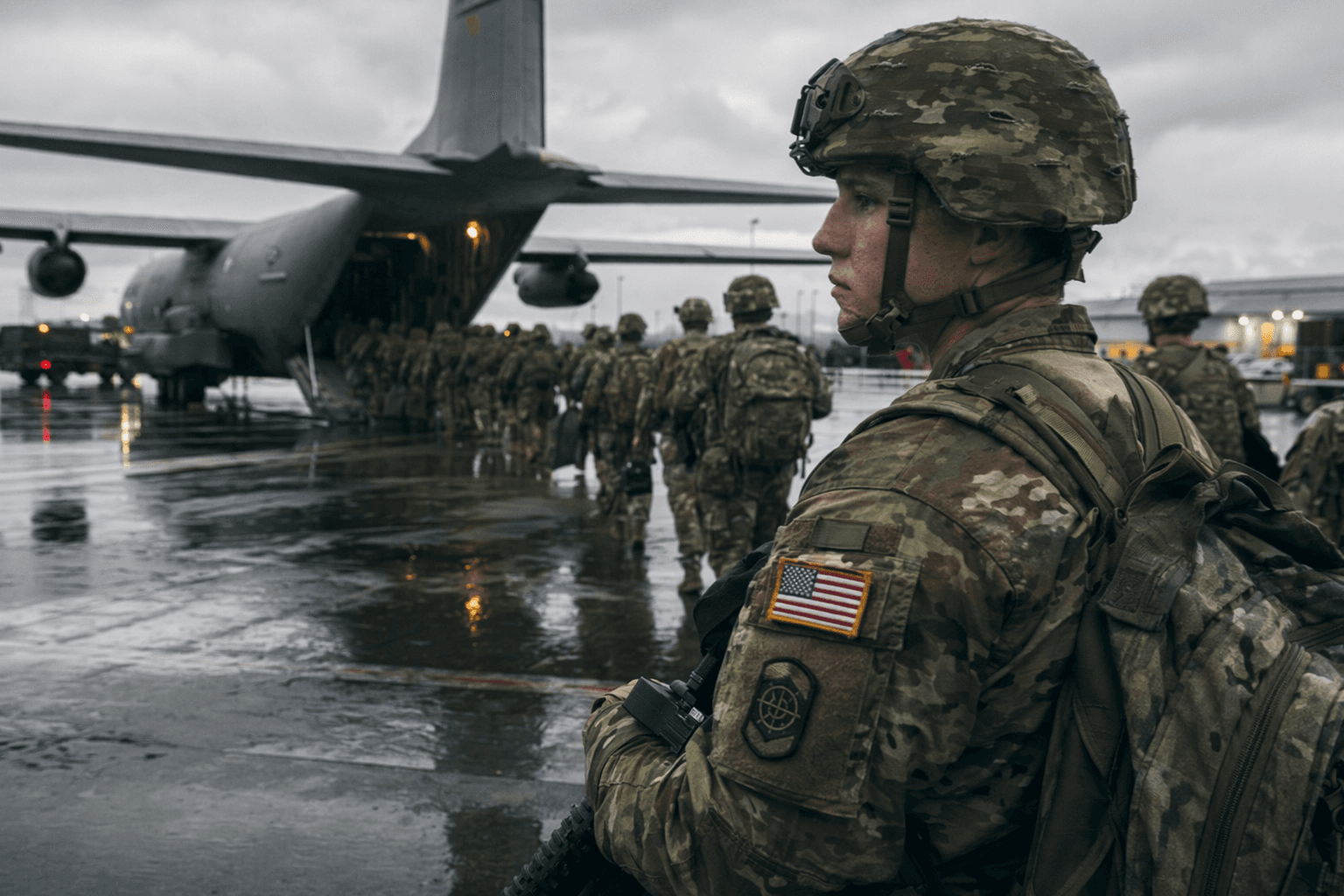
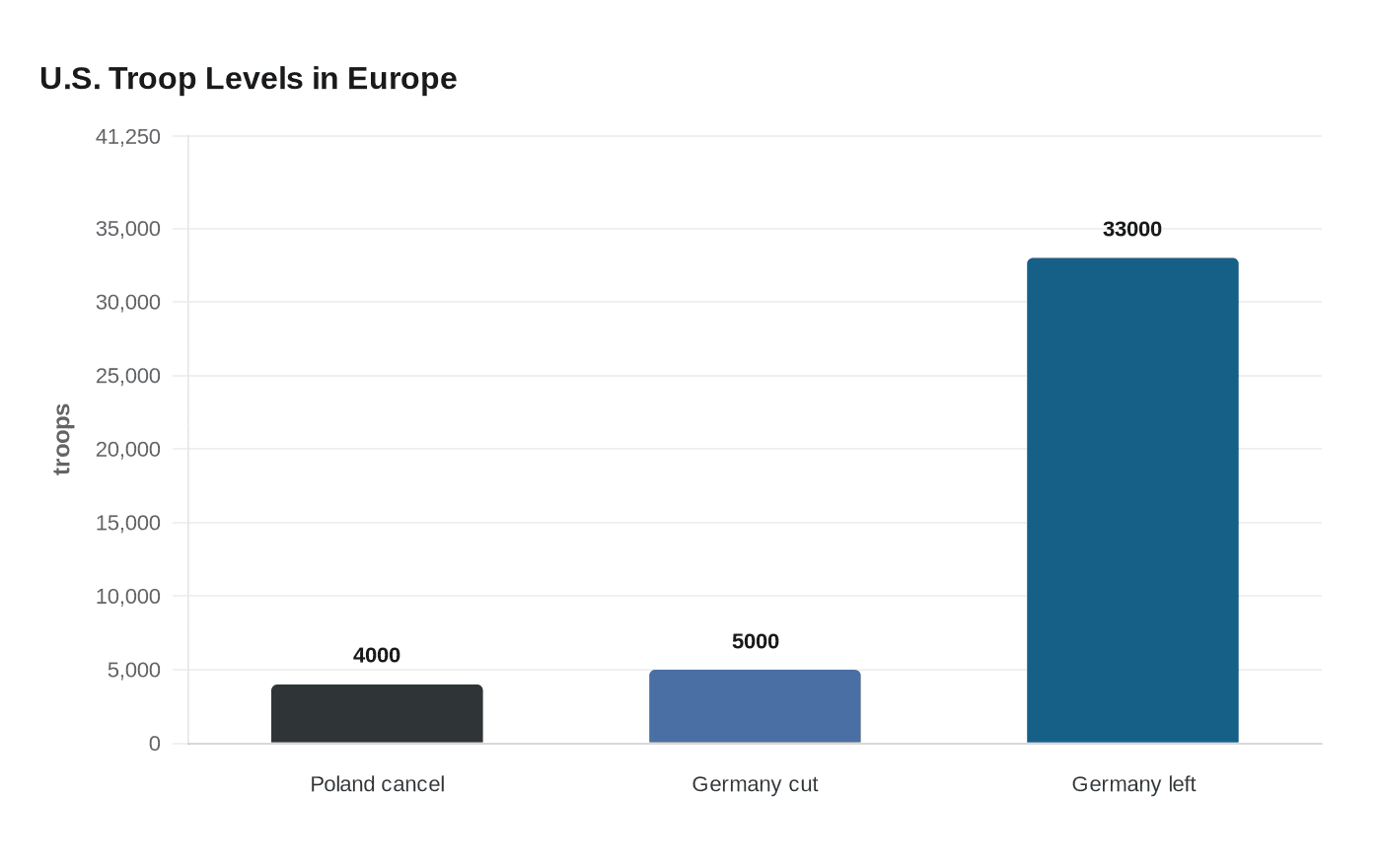
The Pentagon’s cancellation of a planned troop rotation to Poland is shaking confidence along NATO’s eastern flank, where U.S. armor is seen as the clearest deterrent to Russia. The move scrapped a deployment of more than 4,000 U.S.-based soldiers that was already in motion and would have kept a major American combat unit in Poland for about nine months.
The affected formation was the Army’s 2nd Armored Brigade Combat Team, 1st Cavalry Division, based at Fort Hood, Texas. Some personnel and equipment had already begun moving before the deployment was halted. The brigade was expected to train with NATO allies in Poland and elsewhere along the alliance’s eastern flank, a mission that would have cut the American combat presence in Poland by nearly half.
The decision lands at a sensitive moment for Donald Trump’s Europe policy. Just two weeks earlier, the Pentagon announced it would pull 5,000 troops from Germany over six to 12 months, a cut expected to leave roughly 33,000 U.S. troops there. Taken together, the Germany and Poland moves suggest the administration is not simply adjusting schedules, but rethinking how much force it wants to keep in Europe and where that force should sit.
That uncertainty has immediate political value for Moscow and strategic cost for NATO. Reuters said the latest withdrawals could return U.S. troop levels in Europe to roughly pre-2022 levels, before Russia’s invasion of Ukraine triggered a major American buildup under President Joe Biden. For Poland and other allies closest to Russia, the question is not only how many U.S. troops remain, but whether Washington is signaling a broader retreat from the permanent security guarantees that have anchored the alliance for decades.
In Washington, the rollout added to the unease. Jeanne Shaheen, the ranking Democrat on the Senate Foreign Relations Committee, said Congress had not been notified about the Poland decision. The Pentagon later said the withdrawal followed a comprehensive, multilayered process involving U.S. military leaders in Europe and the chain of command, pushing back on the impression of an abrupt reversal. Polish Prime Minister Donald Tusk said he had received assurances that Poland’s security would not be affected and that the decisions were logistical, not strategic. Even so, the abrupt cancellation has left allies in Warsaw and beyond reading the move as a test of whether Trump’s Europe posture is a routine force adjustment, a budget move, or a political message with consequences for NATO confidence.
This article was produced by Prism’s automated news system from verified source data, official records, and press releases, then run through automated quality and moderation checks before publishing. The system is built and supervised by the people who set the standards it runs under. Read our full AI policy.
Did this article answer your question?