Peru court overturns ex-president Humala’s money-laundering conviction
Peru’s top court voided Ollanta Humala’s 15-year money-laundering conviction, sending the former president out of Barbadillo prison and back into a fraught corruption saga.
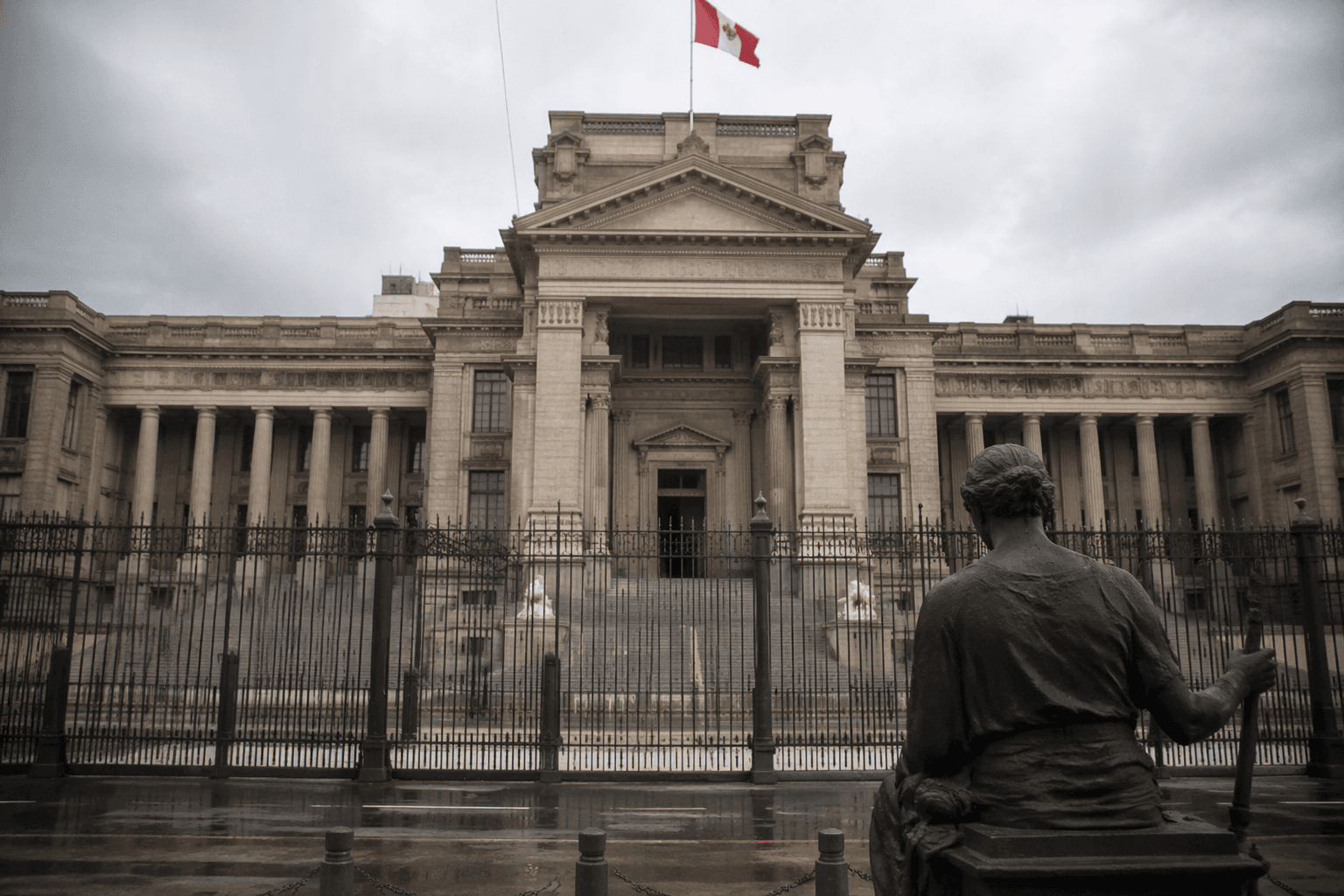
Peru’s Constitutional Court overturned Ollanta Humala’s 15-year money-laundering conviction and ordered the case archived, allowing the former president to leave Barbadillo prison in Lima on July 31. The ruling abruptly changed the status of one of Peru’s most closely watched corruption cases and put Humala back in public view after years behind bars.
Supporters cheered outside the prison as Humala walked free, and he said he had been “taken hostage by the state and the hitmen of the justice system.” The former president, who is 64, had been escorted by police after hearing the 15-year sentence in a Lima courtroom on April 15, 2025. His release followed the court’s decision to nullify the conviction rather than merely suspend the punishment, closing the case over alleged campaign contributions linked to his 2006 and 2011 bids for power.
Humala and his wife, Nadine Heredia, were sentenced to 15 years after being convicted of money laundering in a case tied to the Odebrecht, or Car Wash, corruption scandal. The Brazilian construction giant admitted paying millions of dollars in bribes to politicians and executives across Latin America, and Peru became one of the scandal’s hardest-hit countries. Humala’s conviction had made him the first Peruvian ex-leader to face trial in the Odebrecht case.
The reversal lands in a country where the anti-corruption drive has repeatedly collided with political instability. Alejandro Toledo, Martín Vizcarra and Pedro Castillo have also been tainted by the same scandal, and Peru’s top offices have spent years cycling between investigations, trials and imprisonment. That pattern has turned the courts into a central arena of democratic trust, with each major ruling feeding public doubts about whether the justice system can impose lasting consequences on powerful figures.
For Humala, the decision erased a punishment that had symbolized Peru’s hard line on elite corruption. For Peru’s institutions, it left behind a sharper question: whether landmark cases against former presidents can survive appeal and still command confidence when they do.
This article was produced by Prism’s automated news system from verified source data, official records, and press releases, then run through automated quality and moderation checks before publishing. The system is built and supervised by the people who set the standards it runs under. Read our full AI policy.
Did this article answer your question?