Peru gas pipeline rupture followed years of ignored warnings, records show
A March rupture cut Peru’s gas deliveries by nearly 90 percent, but more than 75 regulator records show warnings about erosion and landslides stretched back to 2005.
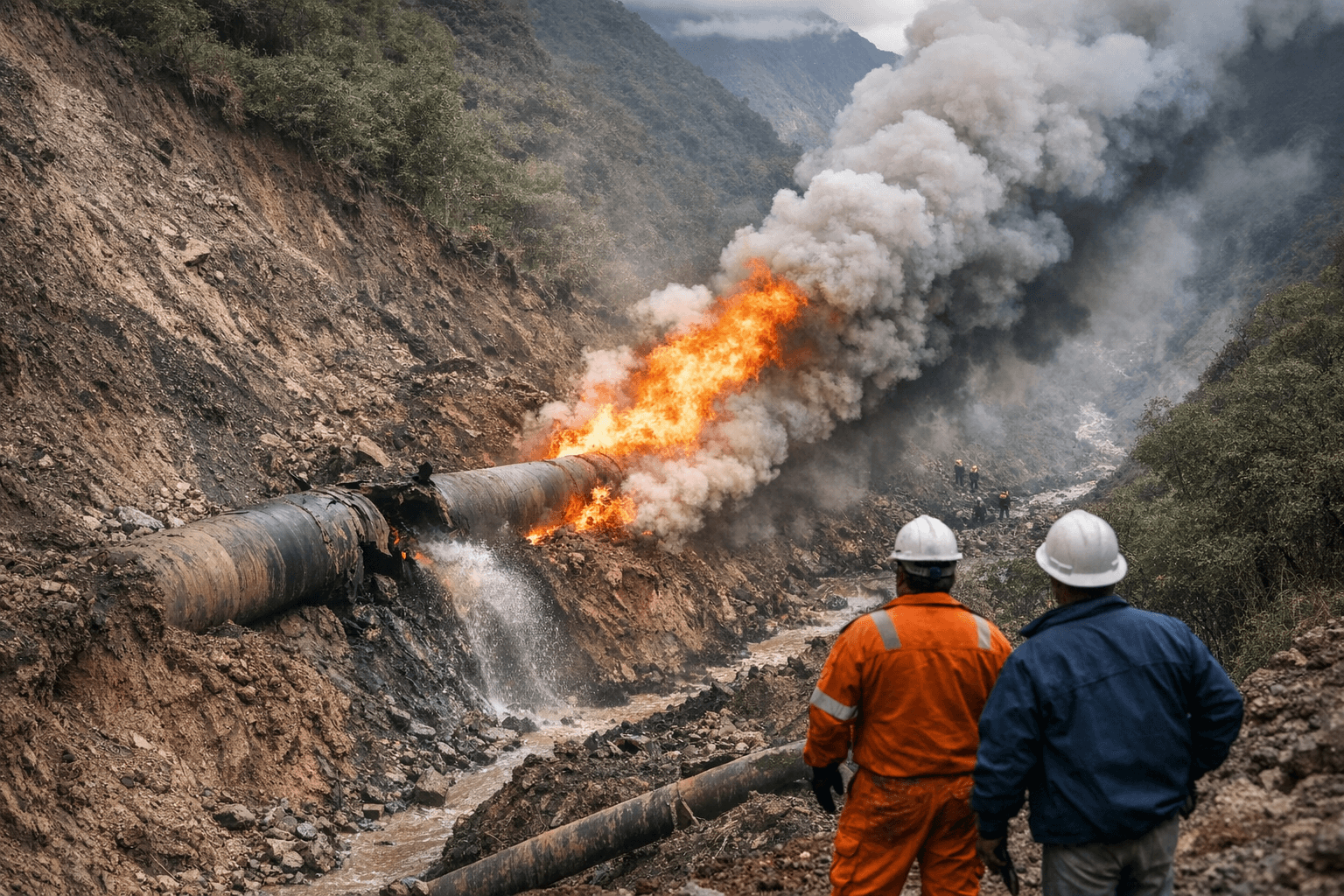
The rupture that helped trigger Peru’s worst energy crisis in two decades did not arrive without warning. More than 75 regulatory records stretching back to 2005 documented at least 13 failures along the Camisea gas transport system and repeatedly warned Transportadora de Gas del Peru about landslides, erosion and construction problems on the pipeline that carries about 95% of the country’s gas.
The break came in March at KP 43 in Megantoni, Cusco, near the Camisea gas field, on a line that runs from the Amazon jungle across the Andes and down to Lima. After the rupture, TGP cut gas deliveries by nearly 90 percent, Peru suspended natural gas exports on March 5, and the government declared a 14-day state of emergency. Prime Minister Denisse Miralles said the country would draw on fuel reserves and urged remote work and online schooling as the shock spread through transport, schools and commerce.
That makes the rupture look less like an isolated accident than the latest failure in a system long strained by geography and oversight. The records from the environmental regulator OEFA and the energy and mines regulator OSINERGMIN show years of complaints about erosion control, monitoring gaps and delayed repairs. One OEFA sanction from November 2019 said 11 of 13 failures in the parallel 540-kilometer natural gas liquids line were caused by landslides, soil creep or erosion, underscoring how terrain-related risks have dogged the broader Camisea network for years.
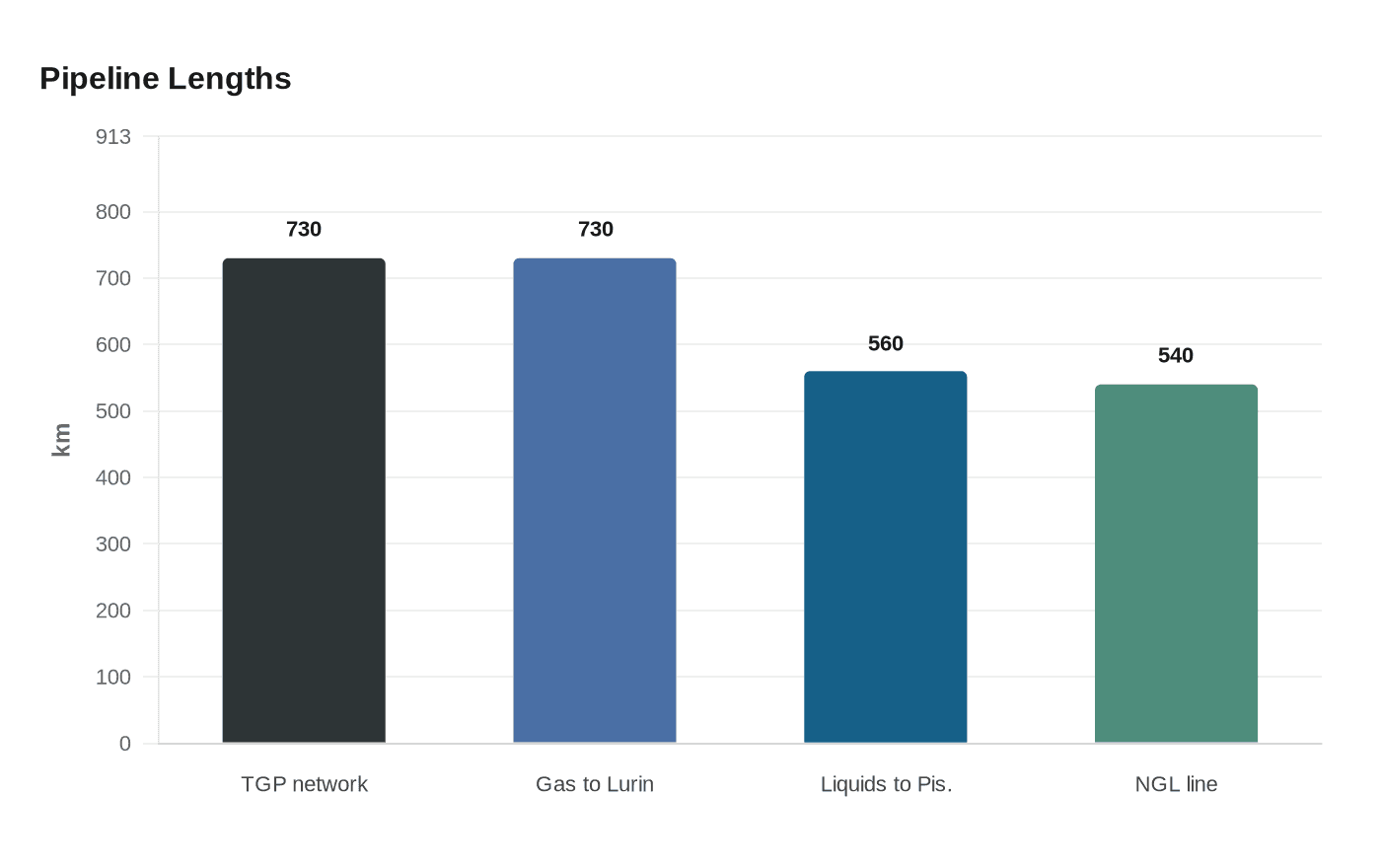
The pipeline entered service in 2004 and suffered five ruptures in its first three years, prompting a congressional inquiry in 2006. TGP says its transport network is 730 kilometers long, while the World Bank describes its concession as a 33-year transportation contract granted in 2000 for a 730-kilometer gas pipeline to Lurín and a 560-kilometer liquids pipeline to Pisco. The length of that route, and the steep terrain it crosses, has made failures costly not only for investors but for households and public services dependent on steady supply.
TGP said the March rupture happened during a programmed preventative inspection at a valve station in Cusco’s Megantoni district and that the investigation was still underway. Even so, the paper trail left by regulators points to a deeper problem: Peru had warnings, but warnings alone did not guarantee action. The crisis exposed how a single vulnerable artery can rattle a country’s energy security, and how weak enforcement in difficult terrain can turn known risks into national disruption.
This article was produced by Prism’s automated news system from verified source data, official records, and press releases, then run through automated quality and moderation checks before publishing. The system is built and supervised by the people who set the standards it runs under. Read our full AI policy.
Did this article answer your question?


