Peru orders audit as disputed election count remains unresolved
Peru ordered a sweeping IT audit as its vote count stalled at 97.5%, with more than 1 million ballots still disputed and the runoff map unsettled.
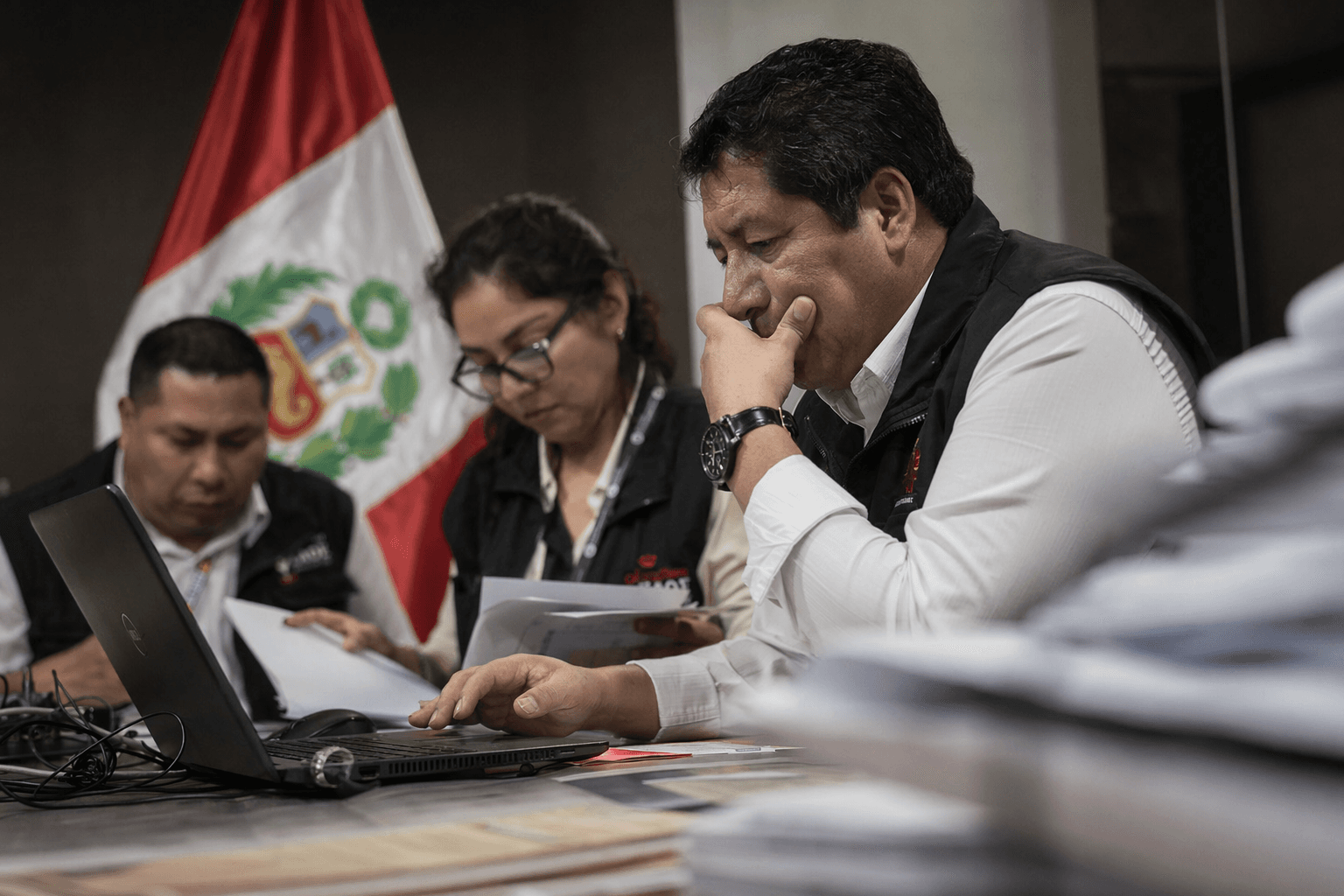
Peru’s election authorities moved to shore up a count that has become a test of state credibility, ordering a comprehensive and exhaustive IT audit while the first-round tally remained unfinished and the race for second place stayed unresolved. With more than 1 million ballots still under review and Roberto Sánchez and Rafael López Aliaga separated by roughly 28,000 votes, the dispute has turned a routine tabulation process into a national political stress test.
The National Jury of Elections said the audit was meant to strengthen transparency, integrity and reliability, not to interrupt the review already under way. That distinction matters in a contest where Keiko Fujimori remained the frontrunner heading toward the June 7 runoff, but no clear opponent had emerged to face her. The first-round count was still only 97.5% complete when the audit was requested, leaving Peru in a prolonged holding pattern as challenged tally sheets piled up.
The delay has been politically combustible because the margin separating Sánchez and López Aliaga was small enough to keep both campaigns alive, yet large enough to invite months of argument over procedure, chain of custody and data handling. Peru’s presidential field included more than 30 candidates and more than 27 million eligible voters, but the crowded contest quickly narrowed into a battle over how the ballots were being recorded, transmitted and certified. Final first-round results were expected no later than May 15, a deadline that now hangs over the process as officials work through disputed precinct returns.
Pressure on the system has already produced institutional fallout. Piero Corvetto resigned on April 21 amid demands for clarity after the count dragged on, and the vote itself had stretched into April 13 in some precincts because of logistical problems on election day. The European Union Election Observation Mission said it found no objective evidence to support fraud claims, while also pointing to serious logistical failures. The Carter Center described the election as being administered in an environment of declining public confidence, underscoring how quickly technical delays can morph into legitimacy crises.
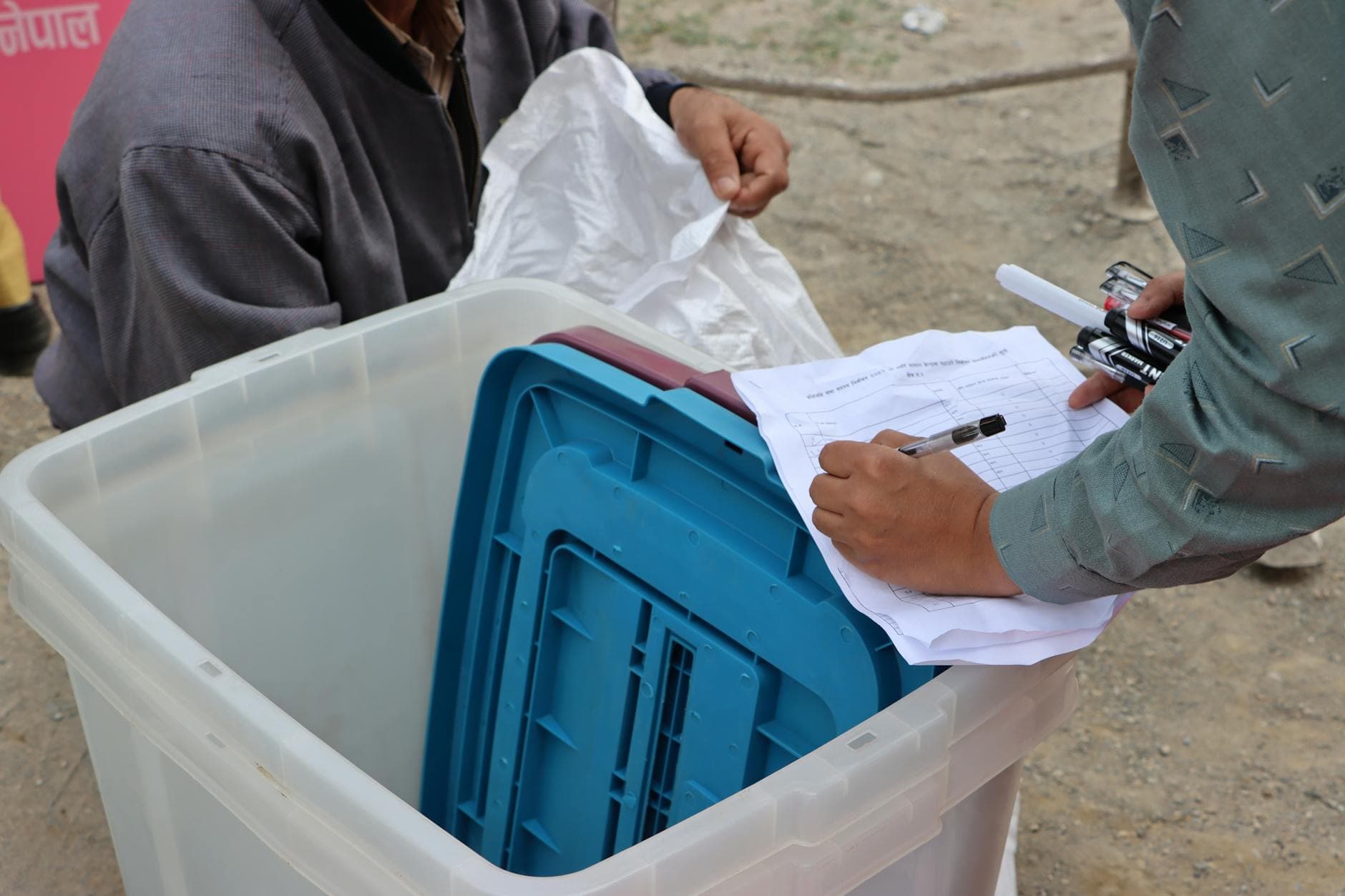
The audit may help answer one narrow question: whether the systems used to transmit, tabulate and safeguard results functioned properly. It cannot by itself settle every dispute over contested tally sheets or restore trust where political suspicion has already taken root. If the review confirms the count, it could calm some accusations before Peru returns to the polls in June. If it exposes deeper flaws, the country’s electoral authorities will have to persuade a deeply divided public that the runoff still rests on a credible foundation.
This article was produced by Prism’s automated news system from verified source data, official records, and press releases, then run through automated quality and moderation checks before publishing. The system is built and supervised by the people who set the standards it runs under. Read our full AI policy.
Did this article answer your question?