Peru reviews disputed ballots, delaying presidential result and runoff pairing
Thousands of disputed tally sheets have frozen Peru’s presidential count, keeping Keiko Fujimori’s runoff rival unclear and testing confidence in the vote.
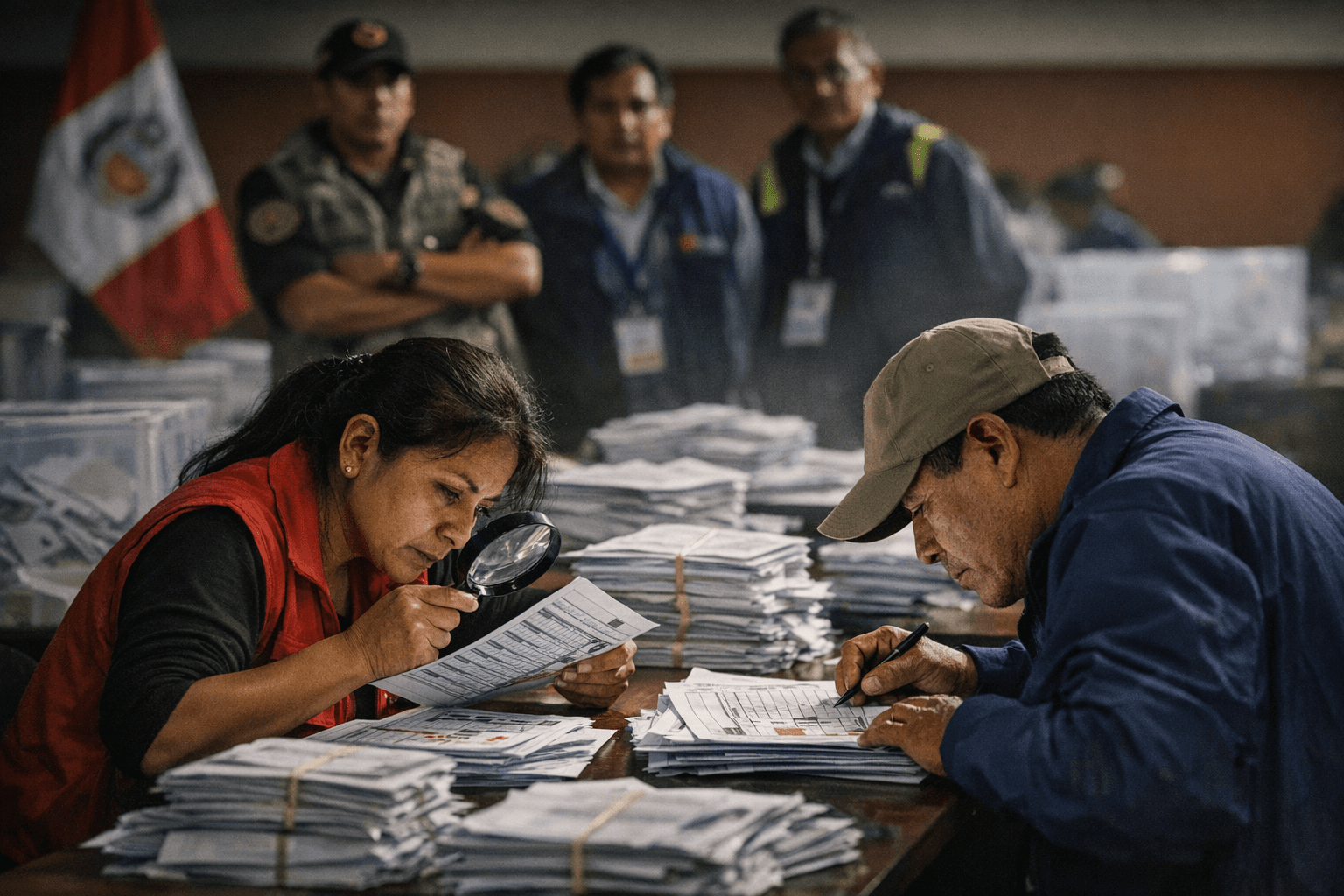
Peru’s presidential race has entered a dangerous holding pattern, with disputed ballots now delaying certainty, prolonging the fight for second place and exposing how much strain the country’s electoral system can absorb. Electoral authorities began reviewing thousands of contested tally sheets on April 20, a process that is pushing the final result toward mid-May and leaving the June 7 runoff without a confirmed matchup.
The scramble centers on a crowded election field and a narrow count. Thirty-five presidential candidates competed on the April 12 ballot, and Peru’s rules require more than 50% of valid votes to avoid a runoff. With nearly 94% of ballots tallied, conservative frontrunner Keiko Fujimori had about 17% of the vote, while the race for second place remained extremely tight between left-wing congressman Roberto Sanchez and ultra-conservative Rafael Lopez Aliaga. Sanchez was ahead by only about 13,000 votes, a margin thin enough to keep the final pairing unresolved.
The dispute involves about 6% of polling stations, more than one million votes, because of missing information or errors on tally sheets. More than 5,800 disputed presidential vote records were under review on April 20, while broader reporting put the total number of challenged actas at roughly 15,000 across presidential and legislative contests. Peru’s National Jury of Elections is reviewing the disputed stations in public hearings before adding them to the final count, and the National Office of Electoral Processes runs the tabulation through 126 computing centers.
Yessica Clavijo, the JNE’s secretary general, said authorities expected to have at least the presidential results by mid-May, since those totals are needed to determine the runoff. The delays have already sharpened political attacks. Lopez Aliaga has alleged fraud, business leaders and lawmakers have called for election chief Piero Corvetto to resign, and Corvetto has acknowledged logistical delays while denying any irregularities. European Union election observers said they found no evidence of fraud.
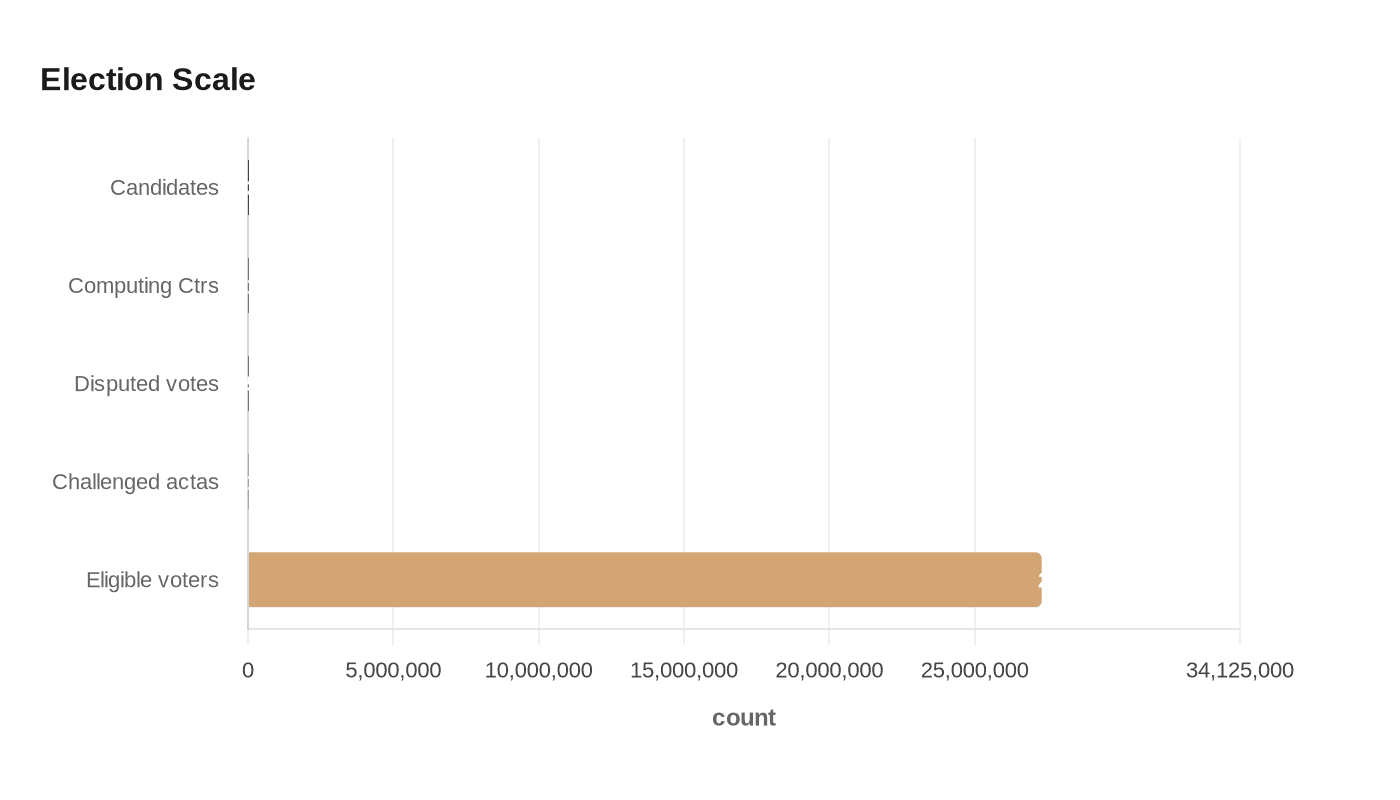
The slow count matters far beyond this one contest. Peru has about 27.3 million eligible voters, and its compulsory-voting system usually produces high participation, though turnout in the 2021 first round was 70%, below the average of 81%. The winner of this election will replace interim President José María Balcázar, who entered office on February 18, 2026, as Peru’s ninth president in 10 years. That turnover, along with the legacy of the 2021 runoff in which Pedro Castillo defeated Keiko Fujimori, has left the country unusually wary of any delay. With challenged ballots concentrated outside Lima, the eventual outcome may turn on rural voting patterns and on whether electoral institutions can withstand the pressure long enough to deliver a result that Peruvians will accept.
This article was produced by Prism’s automated news system from verified source data, official records, and press releases, then run through automated quality and moderation checks before publishing. The system is built and supervised by the people who set the standards it runs under. Read our full AI policy.
Did this article answer your question?