Peru Sentences Former President Pedro Castillo to 11.5 Years
A Peruvian court on November 27 sentenced former president Pedro Castillo to 11.5 years in prison after finding him guilty of rebellion and conspiracy for his December 2022 attempt to dissolve Congress and seize greater powers. The decision comes amid continuing political turmoil that has unsettled investors, raised questions about institutional stability, and followed another high profile conviction for an ex president the day before.
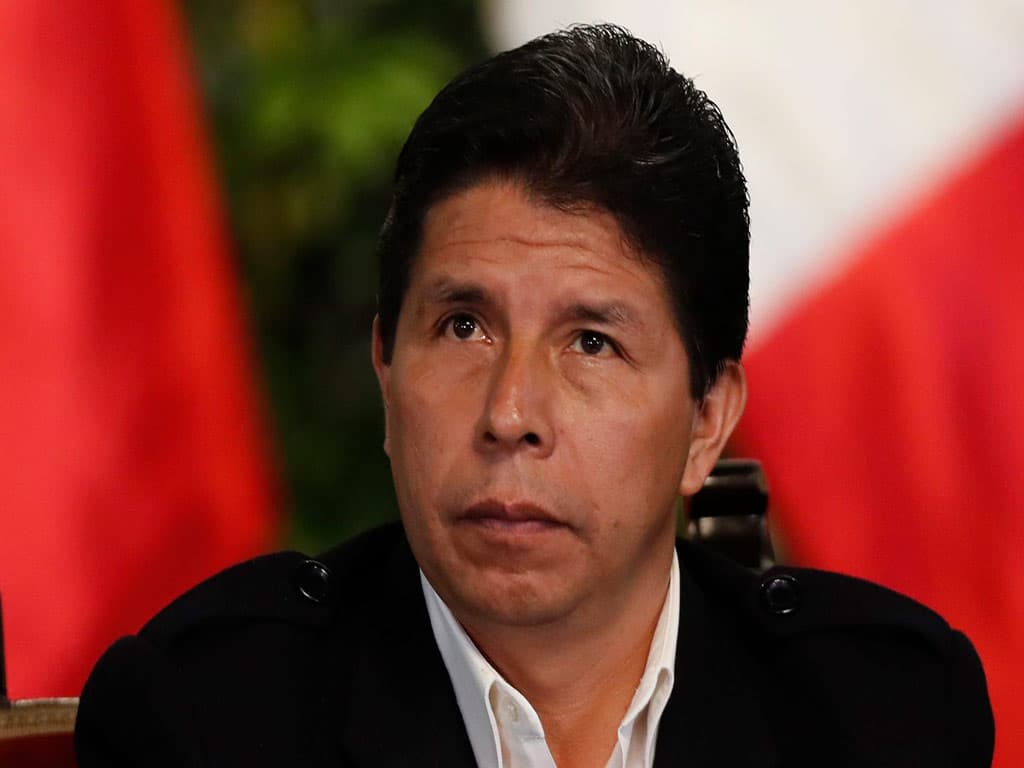
A Lima court on November 27 handed former president Pedro Castillo an 11.5 year prison sentence after finding him guilty of rebellion and conspiracy for his December 2022 effort to dissolve Congress and assume expanded powers. Castillo was removed from office, detained at the time, and argued at trial that he had not committed a crime and had simply read a document. Prosecutors had sought a substantially longer term.
The ruling arrived a day after former president Martín Vizcarra was given a 14 year sentence on corruption charges, underscoring a wave of high profile prosecutions that has swept Peru in recent years. Both verdicts echo a broader pattern of political turbulence that has seen repeated changes at the top of government and persistent legal exposure for former leaders.
Castillo’s bid to close Congress and rule by decree triggered clashes nationwide and violent protests that disrupted daily life and commerce. The episode reverberated through an economy that depends heavily on mining and mineral exports, a sector that accounts for roughly 60 percent of the country’s export receipts and contributes around 10 percent of gross domestic product. Investors in the mining sector, which attracts a disproportionate share of foreign direct investment, have repeatedly flagged political risk as a key constraint on long term projects.
Financial markets historically respond quickly to episodes of constitutional crisis in Peru. Past disruptions have led to peso depreciation, wider sovereign bond spreads and temporary volatility in equity markets tied to mining and consumer sectors. Ratings and investment decisions hinge on perceptions of policy continuity and institutional checks and balances, and consecutive high profile convictions amplify scrutiny of the country’s political and judicial environment.
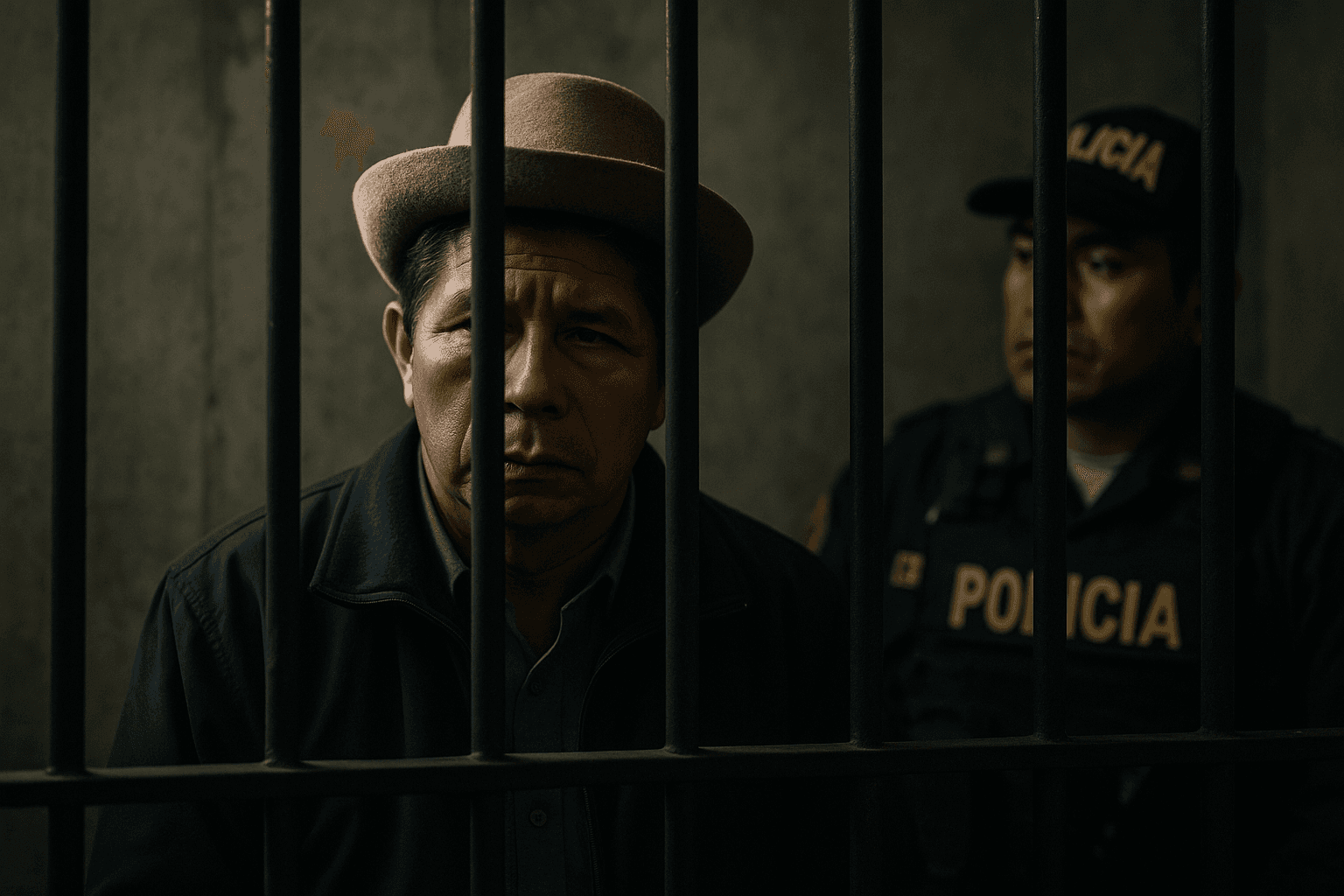
Policy debate in Peru is likely to sharpen following the sentencing. Supporters of strict accountability argue that the prosecutions signal strengthening rule of law and a willingness to hold leaders to account for extra constitutional actions. Critics say frequent criminal proceedings against former presidents risk politicizing the judiciary and could deepen social polarization. For economic policy, the immediate concern for business leaders and global investors will be whether short term political shocks translate into longer term falls in investment and slower infrastructure development.
Longer term, Peru faces a choice between sustained institutional reform and recurring cycles of governance crisis. The country’s prosperity has rested on commodity income, but structural questions about fiscal policy, investment in social services and the impartiality of legal institutions have become central to political debate. If judicial processes are viewed as predictable and fair, markets may absorb the shocks more rapidly. If prosecutions are perceived as ad hoc or politically motivated, risk premia could remain elevated and slow the flow of capital needed for large scale mining projects.
The sentencing of Castillo closes one chapter of the December 2022 crisis, but it does not resolve the underlying tensions that have repeatedly disrupted governance and economic planning in Peru. Policymakers and investors will be watching whether the government and judicial system can translate accountability into institutional stability that supports sustained investment and inclusive growth.
This article was produced by Prism’s automated news system from verified source data, official records, and press releases, then run through automated quality and moderation checks before publishing. The system is built and supervised by the people who set the standards it runs under. Read our full AI policy.
Did this article answer your question?


