Peru votes in runoff as crime and instability dominate race
Peruvians chose between Keiko Fujimori and Roberto Sánchez as crime, extortion and a decade of political churn overshadowed ideology.
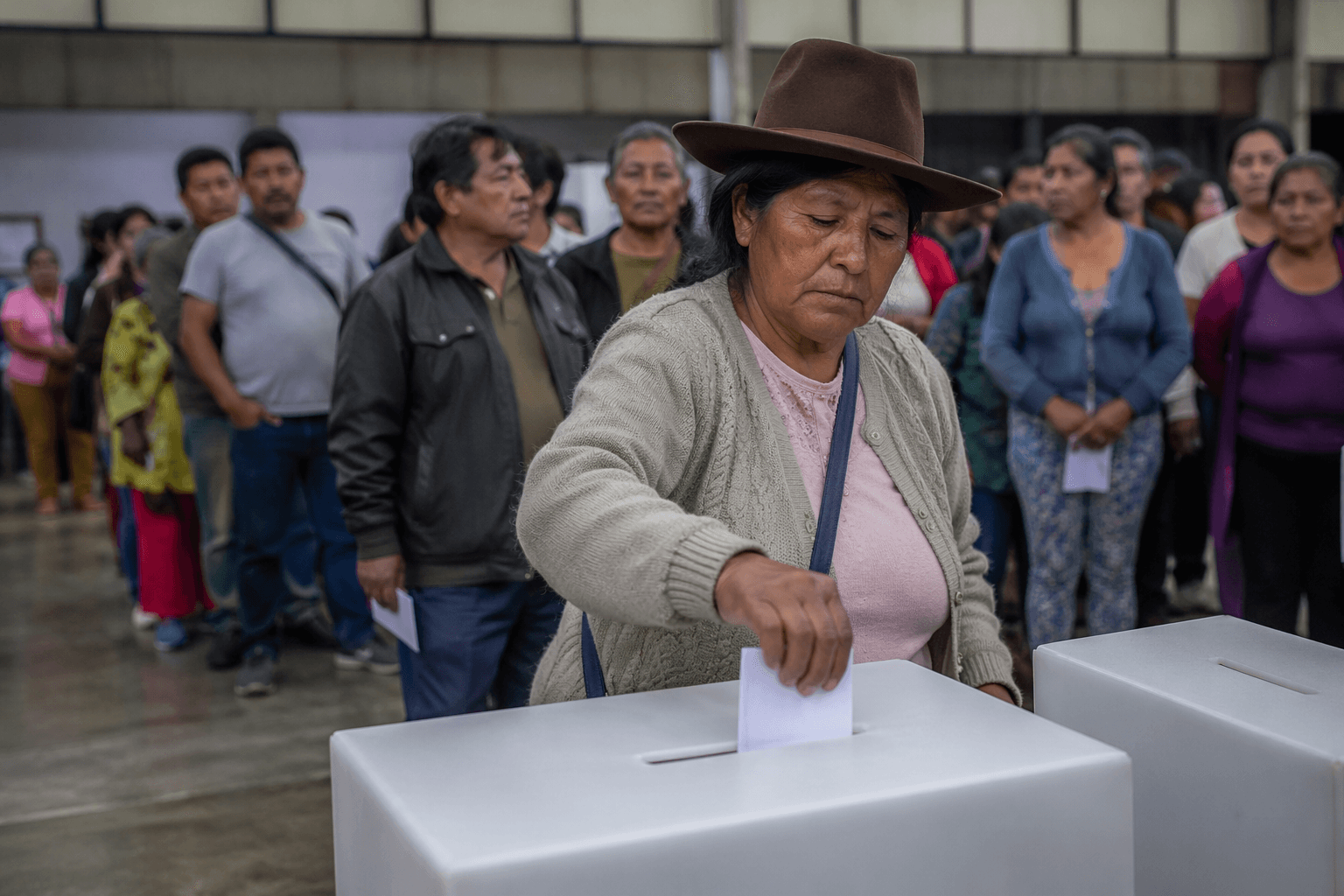
Peru voted in a runoff that exposed a deeper problem than partisan division: fatigue with a state that has struggled to stay upright. With about 27 million people eligible to cast ballots and a newly reinstated bicameral congress also on the ballot, the country was set to choose its ninth president in 10 years, a cycle that has left no leader able to finish a full term.
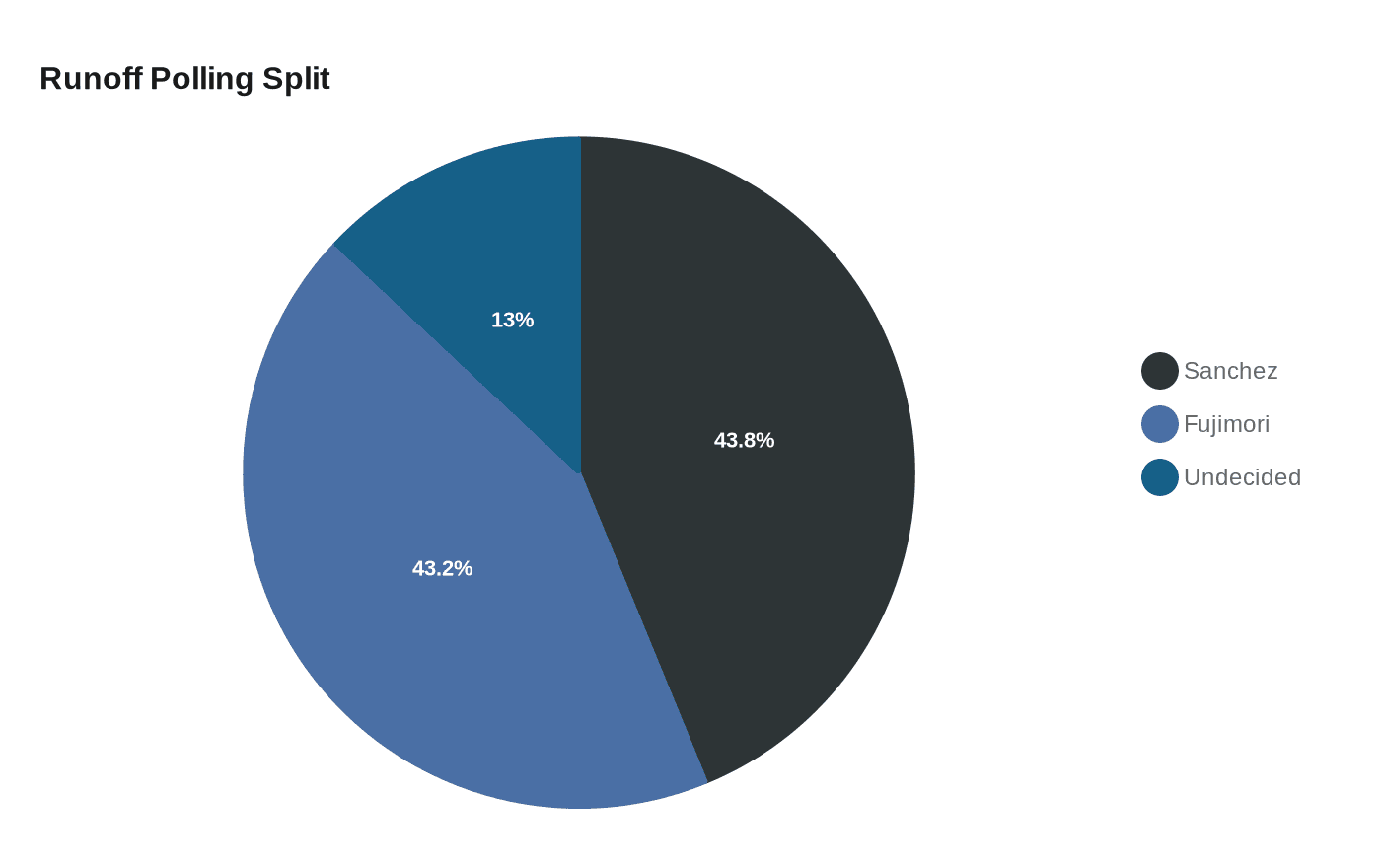
The contest narrowed to Keiko Fujimori, the conservative daughter of former president Alberto Fujimori, and Roberto Sánchez, a leftist congressman. Latest polling showed the race effectively tied, with Sánchez at 43.8 percent support and Fujimori at 43.2 percent, while about 13 percent of voters remained undecided or said they would cast blank ballots. That split captured the mood in much of the country: less a referendum on ideology than a search for any candidate who could restore basic governance.
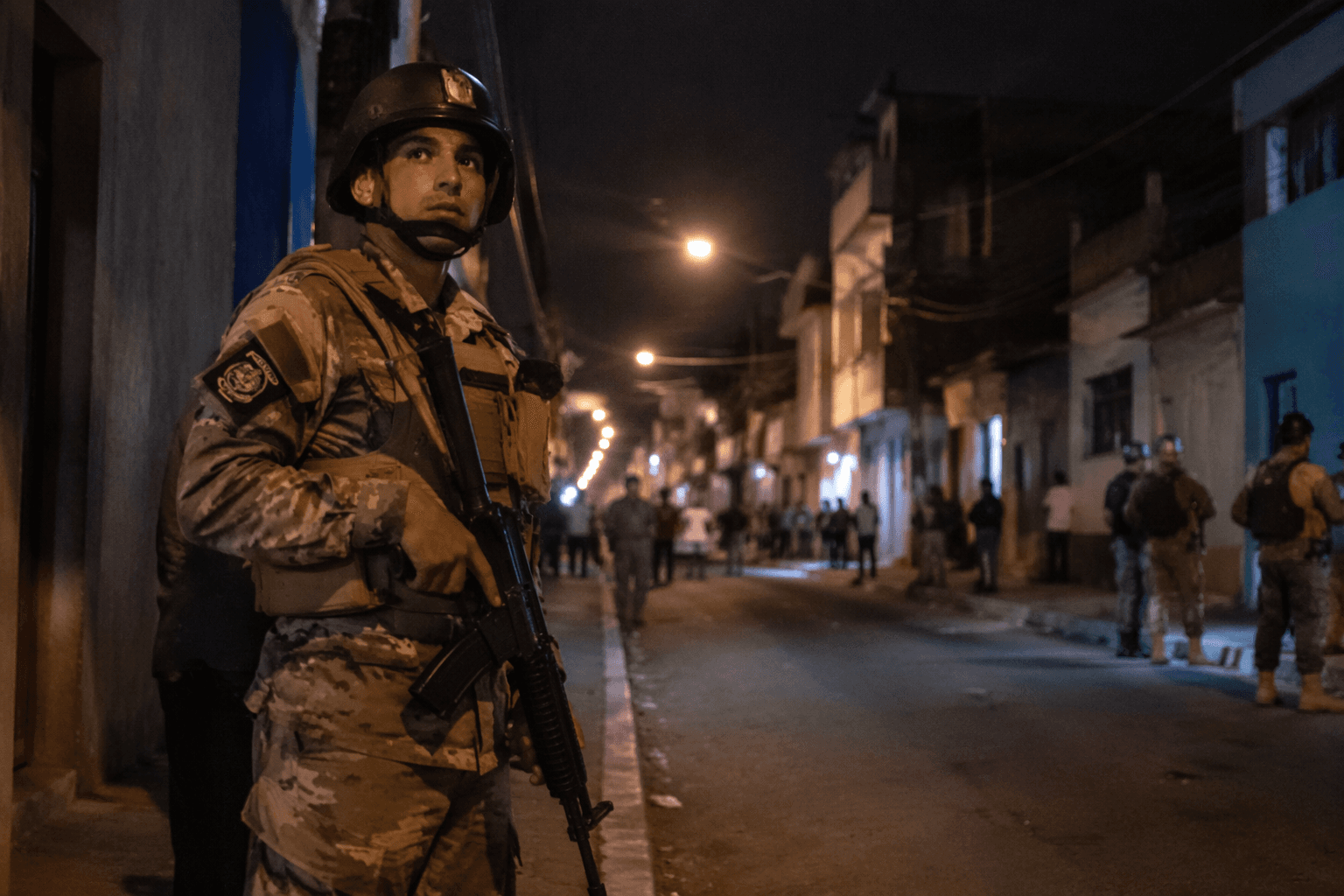
Crime has become the defining pressure on that search. In Lima and beyond, transport workers have described living under police protection, and one transport depot said five drivers from the company had been attacked. An independent observatory of crime and violence reported 239 drivers killed last year, a grim measure of how deeply extortion and violent coercion have penetrated daily life. Separate reporting said nearly 30,000 extortion incidents were reported in Peru in 2025, many aimed at small businesses and transport workers who cannot afford private security or to stop operating.
That insecurity is feeding a broader rejection of political instability. Since 2016, Peru has been defined by impeachments, resignations and corruption scandals that have weakened public trust and made each new administration look temporary. Dina Boluarte’s low approval has only reinforced that pattern, and for many voters the election has been about whether the next president can simply keep the government functioning long enough to confront crime and inequality.
The result is a runoff shaped by governance fatigue rather than campaign theatrics. Keiko Fujimori represents a return to hard-right Fujimori-era politics; Sánchez offers a second attempt at left-wing government after Pedro Castillo’s turbulent presidency. But the bigger question is whether Peru’s democratic institutions can absorb another transfer of power without slipping further into the instability that has given the country its reputation for a presidential curse.
This article was produced by Prism’s automated news system from verified source data, official records, and press releases, then run through automated quality and moderation checks before publishing. The system is built and supervised by the people who set the standards it runs under. Read our full AI policy.
Know something we missed? Have a correction or additional information?
Submit a Tip