Two IDF soldiers killed in separate fighting in southern Lebanon
Two Israeli soldiers were killed in separate southern Lebanon incidents, deepening a conflict that has already cost civilians, peacekeepers and troops on both sides.
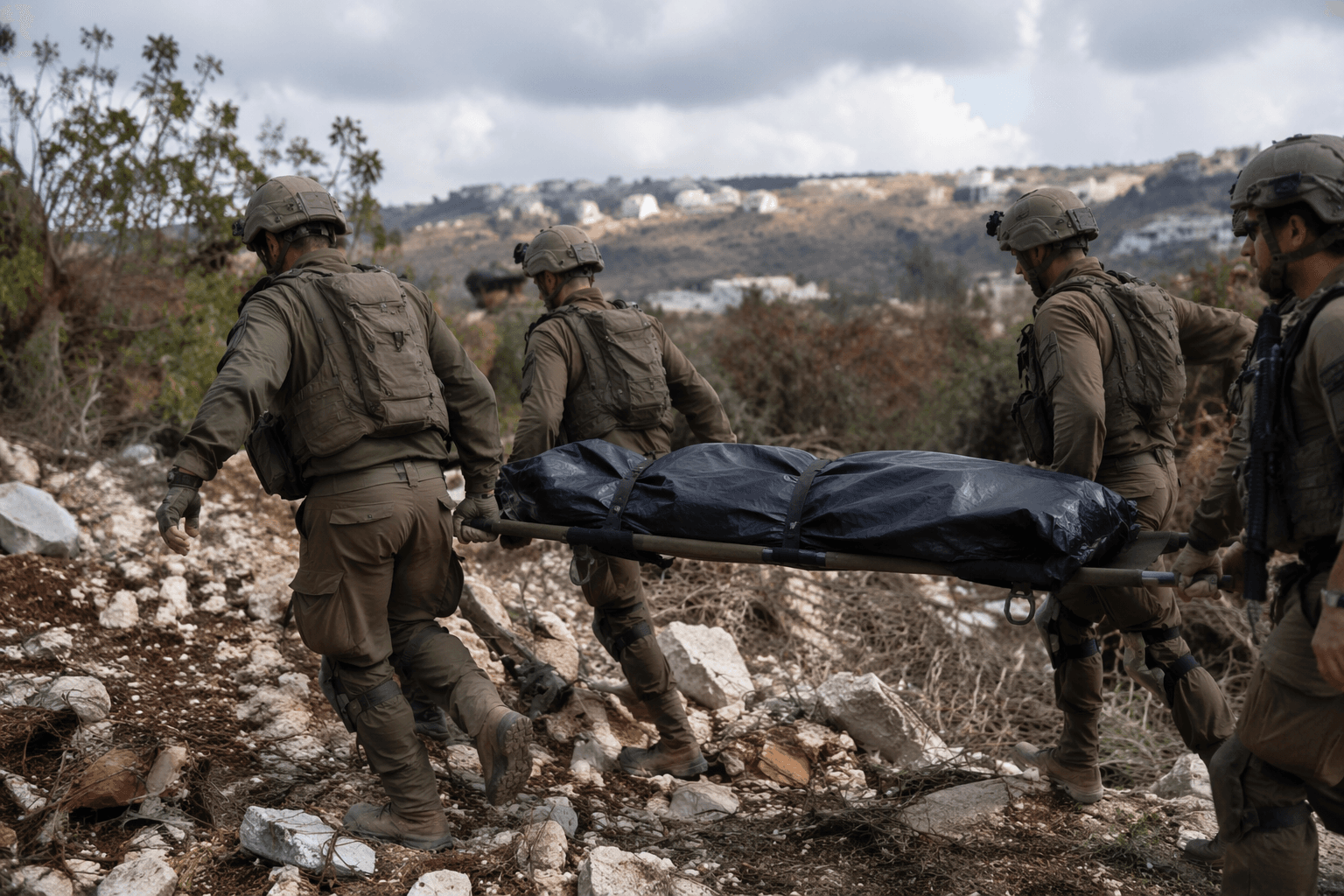
Two Israeli soldiers were killed in separate incidents in southern Lebanon, a sharp reminder that the front with Hezbollah has become a grinding campaign of drones, mortar fire and risky ground operations.
The dead were identified as Capt. Shahar Gamla, 23, of Natur, and Sgt. Ohad Yaari, 21, of Rehovot. The Israel Defense Forces said Gamla, a deputy company commander in the Egoz Unit of the Commando Brigade, died after being severely injured during combat in southern Lebanon. Yaari, who served in the Shaked Battalion of the Givati Brigade, was killed during operational activity in the same area.
The losses come as the fighting has continued to widen beyond isolated border exchanges. Hezbollah has kept up drone launches toward Israeli troops and communities along the northern border, while Israeli forces have pressed operations deeper into southern Lebanon. The pattern suggests a battlefield that is becoming more fragmented and more dangerous for ground units, especially small formations moving under the threat of precision drones and concealed weapons.
The latest deaths also landed against a backdrop of intensifying cross-border violence. On June 6, Israeli airstrikes in southern Lebanon killed nine people, including three members of the Lebanese military. The Lebanese army said one strike hit a military vehicle on the Nabatiyeh-Marjayoun road, and President Joseph Aoun called the strike a “flagrant violation” of Lebanon’s sovereignty and international law. The Lebanese army said the strikes were meant to thwart efforts to reach a ceasefire and restore stability, while the Israeli military said it struck a vehicle moving suspiciously near Israeli soldiers and that the incident was under review.
The diplomatic path looks increasingly fragile. Israel and Lebanon reportedly reached a U.S.-brokered ceasefire deal in Washington that would have required Hezbollah to stop attacks and withdraw operatives from south of the Litani River, but Hezbollah rejected the arrangement. That refusal has left the border in a dangerous holding pattern, with neither side able to claim de-escalation and each new strike making a wider war more plausible.
The cost has not been limited to soldiers. On June 4, UNIFIL said Serbian peacekeeper Sgt. Milovan Jovanivić died after mortar fire near Marjayoun, bringing the number of peacekeepers killed in Lebanon since hostilities began on March 2 to seven. And on March 8, two IDF soldiers were killed in southern Lebanon after a tank recovery operation went wrong and a D9 bulldozer sent to assist was hit by a projectile, underscoring how quickly routine battlefield movement can turn fatal.
This article was produced by Prism’s automated news system from verified source data, official records, and press releases, then run through automated quality and moderation checks before publishing. The system is built and supervised by the people who set the standards it runs under. Read our full AI policy.
Know something we missed? Have a correction or additional information?
Submit a Tip