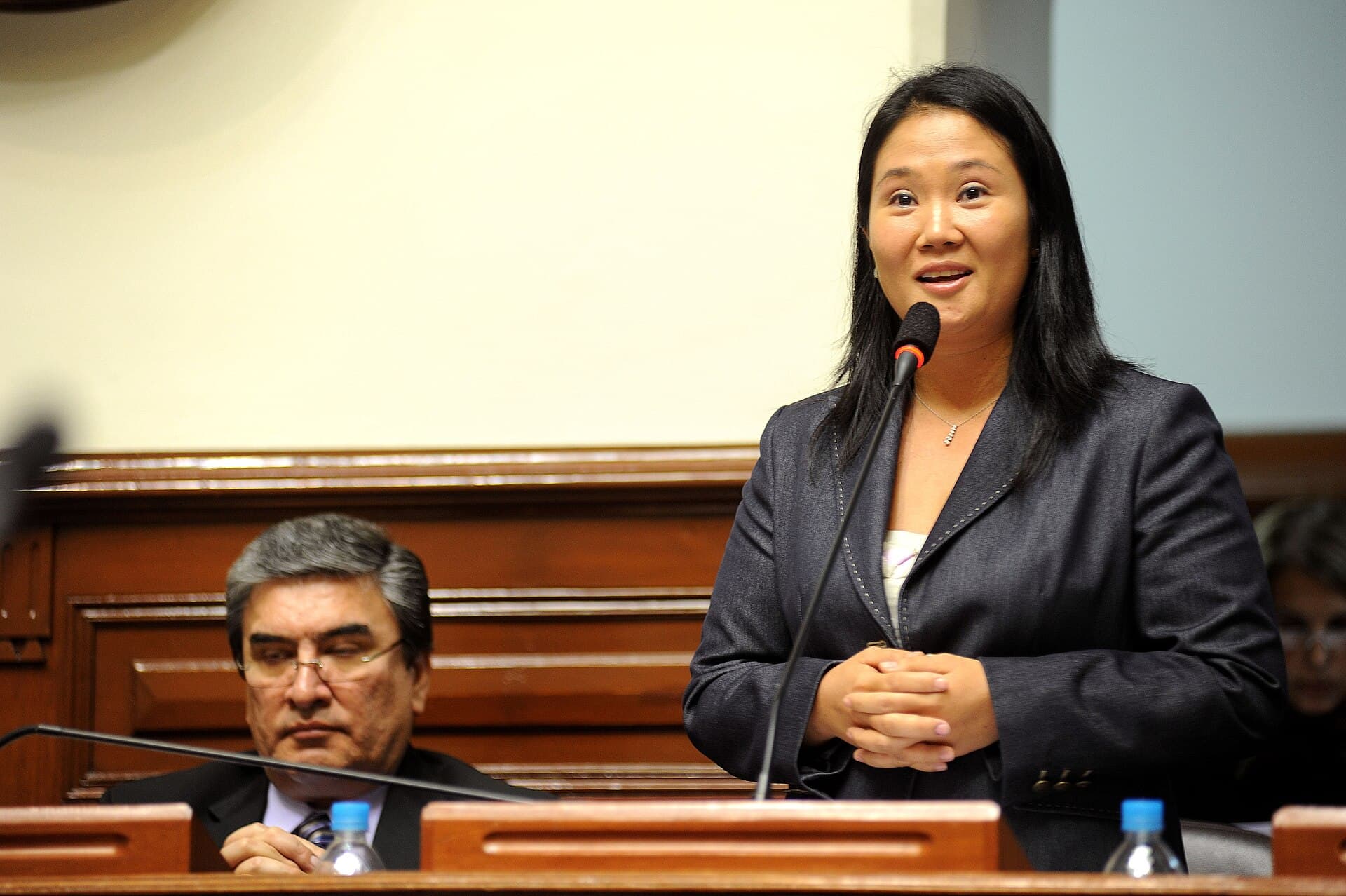
Peru's Fujimori faces unrest warning over fast-track mining push
Keiko Fujimori’s mining push hit a warning flare: 67 projects worth $64 billion sit beside nearly 200 social conflicts, many in the south.
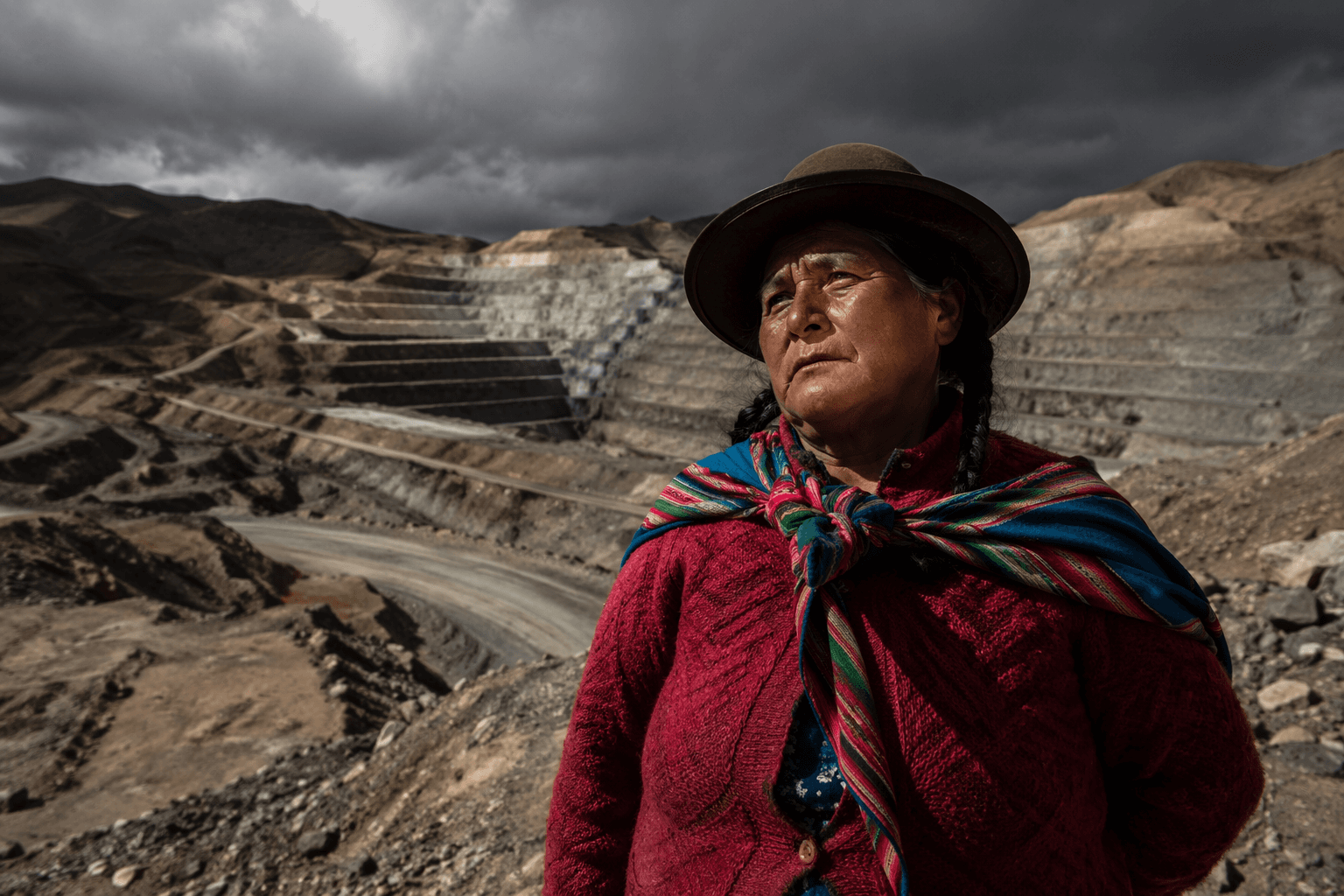
A mining watchdog warned Wednesday that Keiko Fujimori’s plan to speed up investment could ignite fresh unrest in Peru’s mining belt as she prepares to take office on July 28. The warning lands at a moment when Peru is already carrying nearly 200 social conflicts, including 64 tied to mining and environmental disputes, and when mining still provides more than 60% of the country’s exports.
The Observatory of Mining Conflicts in Peru said the active mining pipeline includes 67 projects worth $64 billion, with 45.5% of that investment concentrated in southern Peru. That regional split matters because Fujimori’s strongest resistance came from the south and the Andes, while her support was centered in Lima. Her pitch has been to accelerate permitting, offer tax incentives and direct 40% of mining revenue to local people, but the observatory warned that a deregulatory push could reopen the same fault lines that deepened during Alan García’s second presidency from 2006 to 2011.
Peru’s ombudsman’s office put the scale of the strain in sharper relief by counting nearly 200 active social conflicts across the country. The observatory also said Peru’s mining concessions now cover 22.6 million hectares, or 17% of the country, and identified the future of the Reinfo registry, whose deadline expires in December, as one of the first major tests for Fujimori’s government. For a country that depends so heavily on copper, the question is not only how fast projects move, but whether communities believe they will see any of the benefits.

Tía María remains the clearest flashpoint. Southern Copper’s $1.8 billion project in Islay province is expected to produce 120,000 tonnes of copper a year over a 20-year lifespan, with start-up targeted for late 2026 or early 2027. Protests from 2011 to 2015 left six people dead and forced the project into suspension before Southern Copper resumed development in 2024 after tensions eased. Environmental advocate David Velazco of Fedepaz has warned that Tía María could again face opposition, while Rio Blanco, a copper project from China’s Zijin, is also seen as a potential source of conflict.
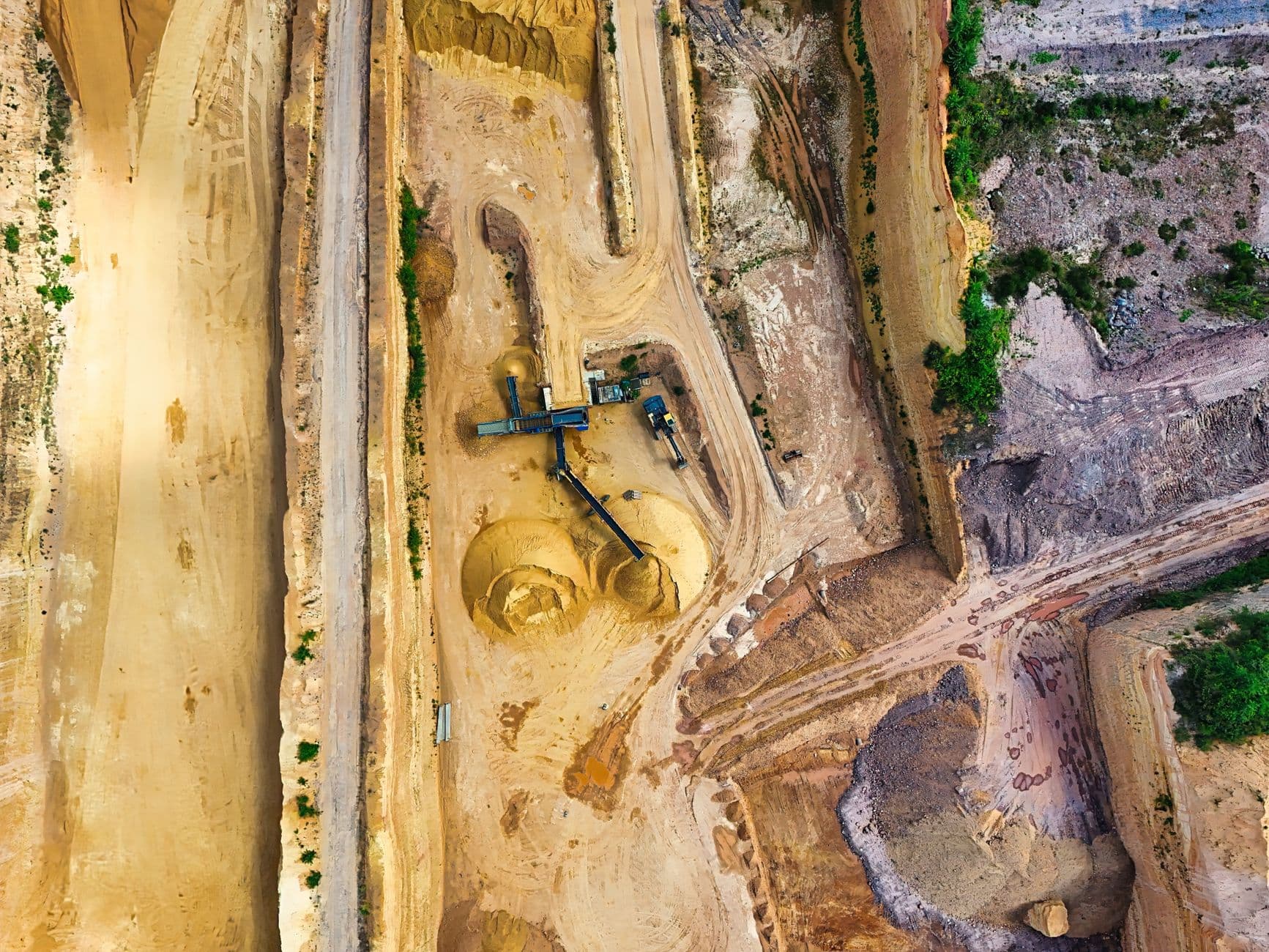
The broader economic stakes are large. The observatory said Peru’s mining investment reached $6.228 billion in 2025, the highest level since 2015, and formal mining employment hit a record 262,365 jobs, though 71.6% of those workers were contractors. Fujimori’s early test is whether Peru can expand output and preserve investor confidence without repeating the cycles of protest that have repeatedly destabilized mining regions and, with them, the country’s politics.
This article was produced by Prism’s automated news system from verified source data, official records, and press releases, then run through automated quality and moderation checks before publishing. The system is built and supervised by the people who set the standards it runs under. Read our full AI policy.
Did this article answer your question?