Pfizer and Valneva Lyme Vaccine Shows 73% Efficacy in Phase 3 Trial
Pfizer and Valneva's Lyme vaccine hit 73.2% efficacy in 12,547 patients — but Valneva shares plunged 38% after the trial missed its primary endpoint.
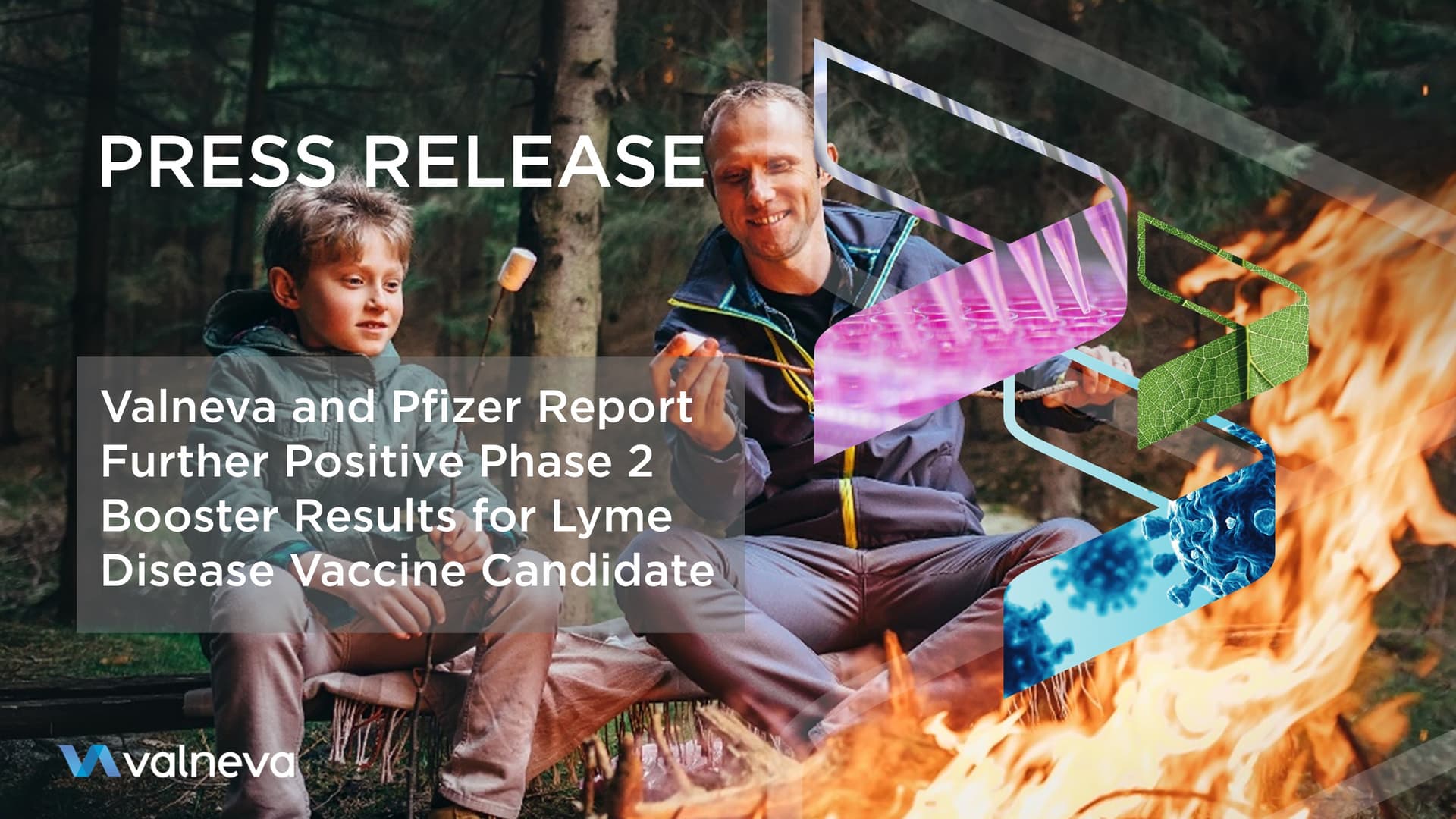
The placebo-controlled VALOR trial enrolled 12,547 adults and children aged 5 years and older residing in areas of high incidence of Lyme disease, and it produced a result that split the medical and financial worlds almost immediately.
Pfizer Inc. and Valneva SE announced topline results from the Phase 3 VALOR "Vaccine Against Lyme for Outdoor Recreationists" clinical trial of their investigational 6-valent OspA-based Lyme disease vaccine candidate PF-07307405, known as LB6V. In the pre-specified analyses, the vaccine showed efficacy of 73.2% from 28 days post-dose 4 in reducing the rate of confirmed Lyme disease cases compared to the placebo arm, with a 95% confidence interval of 15.8 to 93.5. A second pre-specified analysis found 74.8% efficacy beginning one day after the fourth dose.
The investigational vaccine targets the outer surface protein A (OspA) of Borrelia burgdorferi. When a person is immunized, their body creates antibodies against six Borrelia OspA serotypes. As the tick feeds, those antibodies are ingested as part of its blood meal, and their binding to OspA inhibits the bacterium's ability to leave the tick, preventing transmission to the human host.
Although the trial did not fully meet its primary statistical endpoint due to fewer-than-expected Lyme disease cases, Pfizer said the results remain clinically meaningful and support plans for regulatory submissions. Valneva CEO Thomas Lingelbach framed the outcome as a milestone: "These results bring us a step closer to our goal of delivering a much-needed vaccine to help protect against Lyme disease. We are grateful to our partner Pfizer for their strong commitment which we both share in developing this vaccine as quickly as possible."
Pfizer's chief vaccines officer Annaliesa Anderson, Ph.D., was direct about what the efficacy figure means for a disease with no approved vaccine. "Lyme disease can cause potentially serious consequences — where individuals and families face symptoms that can disrupt daily life, work, and long-term health — and there is currently no vaccine available," Anderson said. "The efficacy shown in the VALOR study of more than 70% is highly encouraging and creates confidence in the vaccine's potential to protect against this disease that can be debilitating."
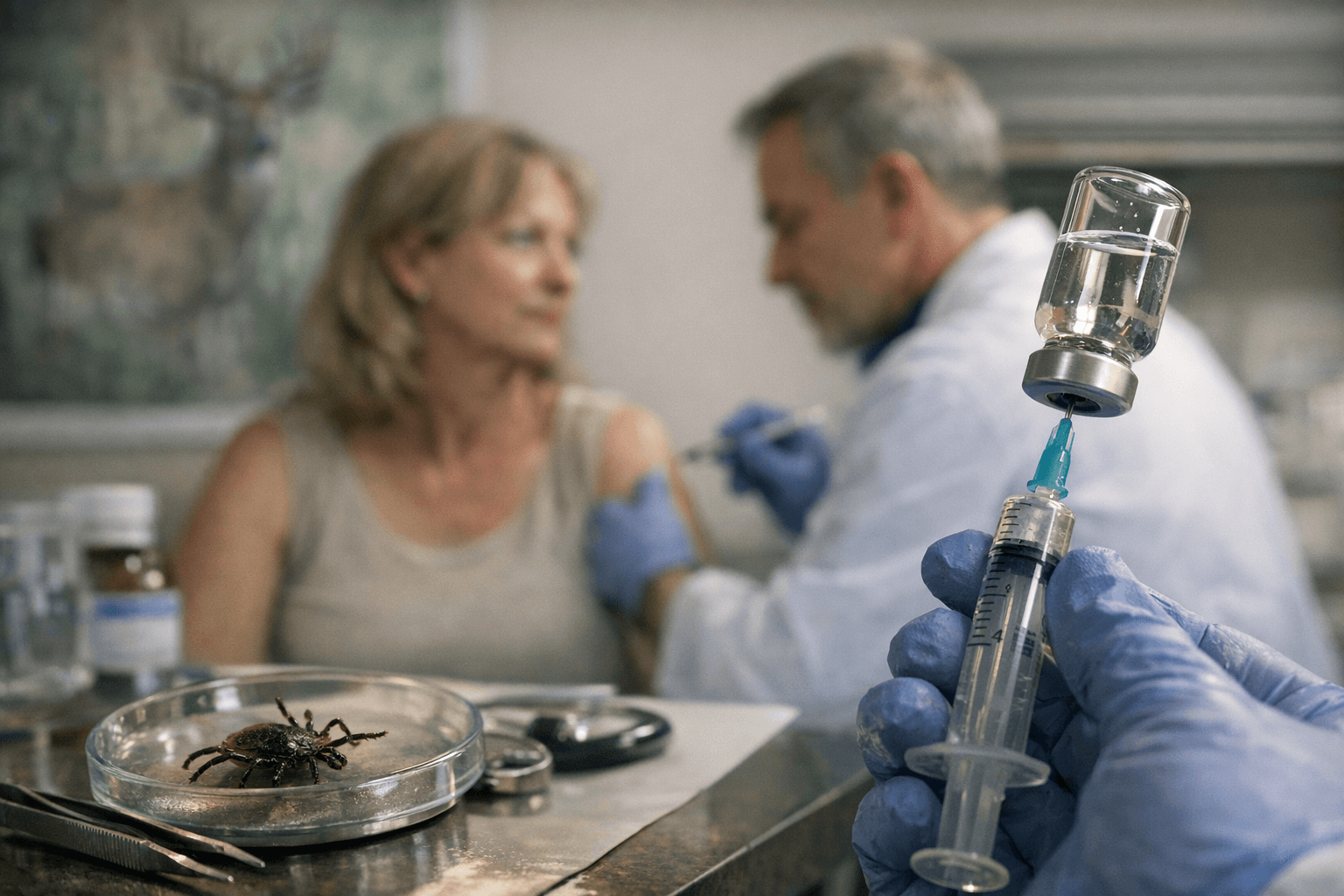
PF-07307405 is the Lyme disease vaccine candidate which has currently advanced the furthest along the clinical development timeline, with two pivotal Phase 3 trials completed. Pfizer and Valneva announced their collaboration to co-develop and commercialize the vaccine in April 2020, with Pfizer holding exclusive rights to manufacture and commercialize the product if regulatory approval is secured.
The vaccine was well tolerated across the trial population, with no safety concerns identified at time of analysis. The trial identifier NCT05477524 is publicly listed for review of study design and enrollment criteria.
Markets, however, parsed the primary endpoint miss harshly. Pfizer said the results remain clinically meaningful, but investors in the smaller French-Austrian partner sold aggressively. Valneva's share price plunged more than 38% at around noon GMT on the Paris stock exchange on the day of the announcement, even as the broader exchange was up 0.7%.
Pfizer said it plans to file for approval with the U.S. Food and Drug Administration, with regulatory submissions also planned for the European Union. The gap between a convincing efficacy signal and a missed statistical threshold will almost certainly shape how regulators weigh the application. What experts describe as "encouraging" data for the world's most common tick-borne illness may ultimately rest on whether the FDA views 73.2% protection across 12,547 participants as sufficient grounds to fill a gap that has existed in public health since the last Lyme vaccine was pulled from the U.S. market more than two decades ago.
This article was produced by Prism’s automated news system from verified source data, official records, and press releases, then run through automated quality and moderation checks before publishing. The system is built and supervised by the people who set the standards it runs under. Read our full AI policy.
Did this article answer your question?


