Philippine court rejects senator’s bid to block ICC arrest
The Supreme Court’s 9-5-1 vote cleared the path to Ronald dela Rosa’s arrest, putting a Duterte-era power broker within reach of the ICC.

The Philippine Supreme Court cleared the way for Senator Ronald dela Rosa’s arrest on Wednesday, rejecting his bid for a temporary restraining order and a status quo ante order in a 9-5-1 vote. The ruling moved the former police chief, once the public face of Rodrigo Duterte’s anti-drug campaign, closer to detention and made the domestic courts the latest arena for a fight over international accountability.
Dela Rosa, whose whereabouts were unknown, has denied involvement in illegal killings. He argued that Philippine law enforcement had no authority to carry out an arrest warrant issued by a foreign court. The government answered by calling him a fugitive from justice and asking the court not to shield him while he avoided arrest. In a 77-page filing, the Office of the Solicitor General also argued that the Philippines remains bound to cooperate in International Criminal Court proceedings that began before the country withdrew from the Rome Statute in 2019.
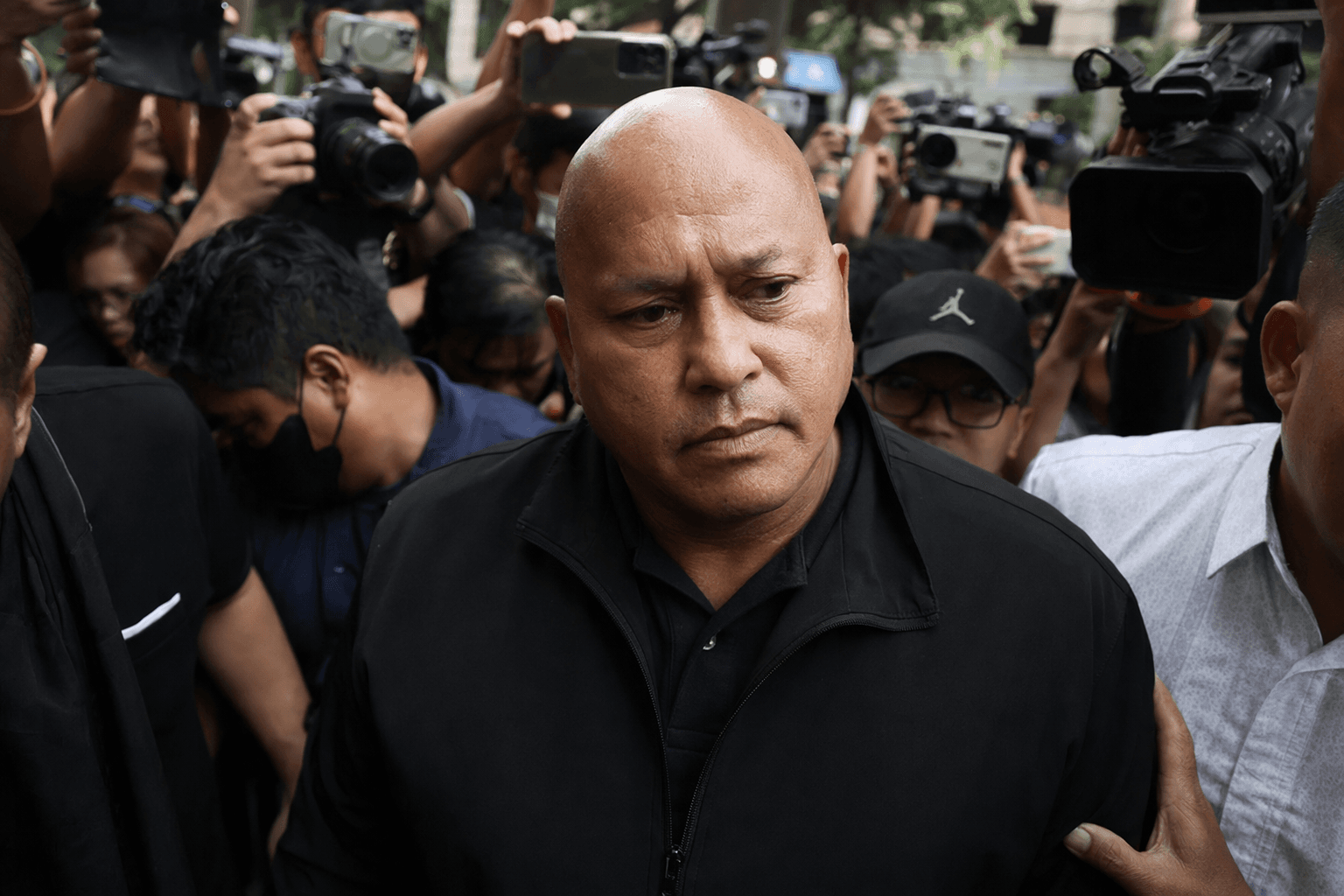
The ICC said the warrant for dela Rosa was applied for on November 3, 2025, issued confidentially on November 6, 2025, and made public on May 11, 2026 after being unsealed. The court said it found reasonable grounds to believe he was responsible for murder as a crime against humanity. The alleged conduct covered roughly November 1, 2011 to March 16, 2019, while the specific killings in the warrant ran from at least July 3, 2016 through the end of April 2018. The warrant concerned at least 32 killings, and the ICC prosecutor called on former and current Philippine National Police members with direct knowledge of the drug war to come forward as witnesses.
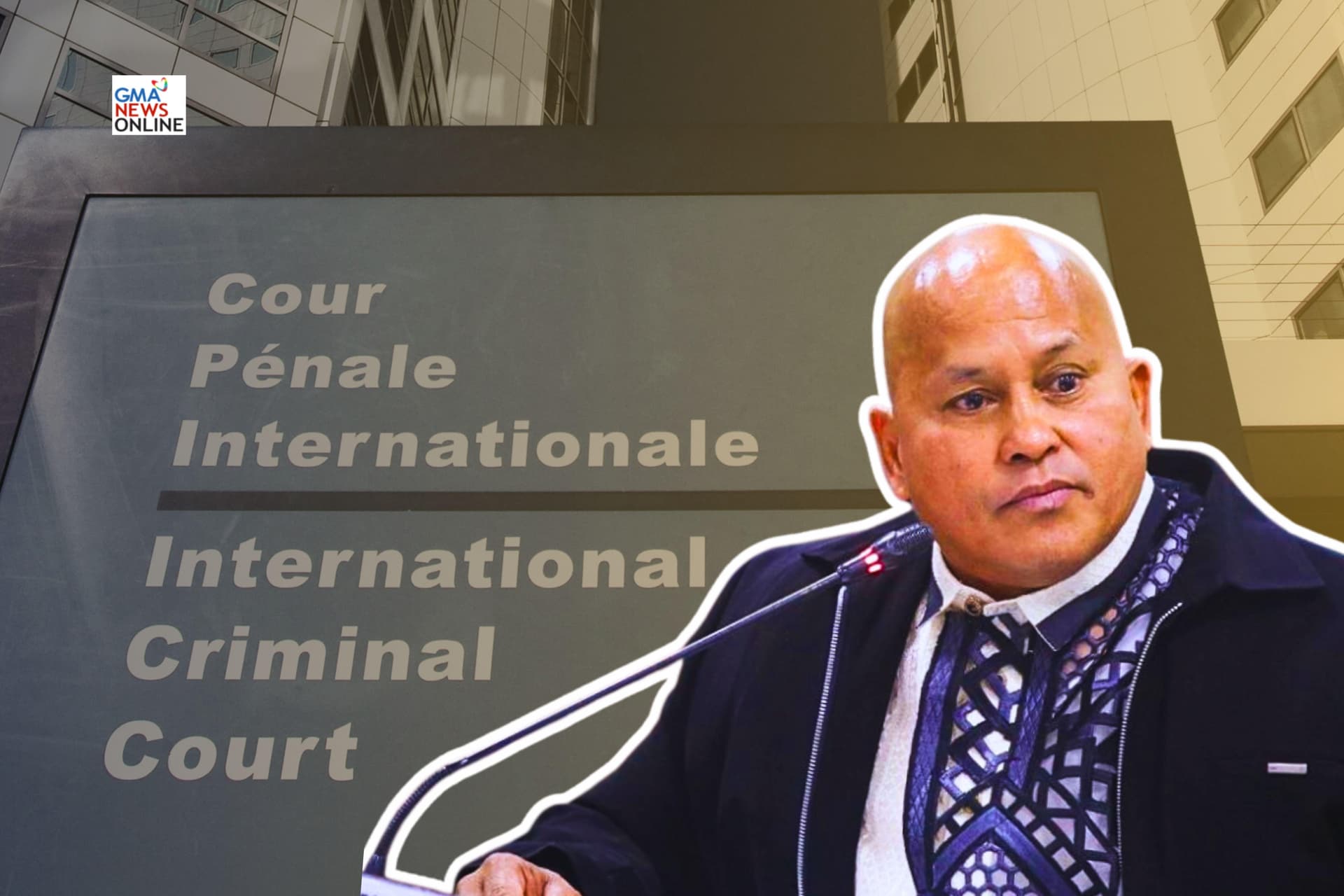
The case has sharpened the question of whether Philippine institutions will now help enforce international justice against figures once thought untouchable. Dela Rosa was not a peripheral senator making a legal argument from the sidelines. He was Duterte’s top enforcer as police chief, then became a sitting lawmaker with enough influence to shape Senate leadership. On May 11, 2026, the Senate placed him under protective custody after a confrontation inside the Senate complex, where CCTV showed people allegedly pursuing him. Senate leadership later ordered a probe, released footage and cited several people in contempt.

The wider stakes reach beyond one senator. Official police data put deaths in anti-drug operations at 6,252 from July 1, 2016 to May 31, 2022, while human rights groups estimate the toll from Duterte’s drug war at around 30,000 when vigilante killings are included. Duterte himself was arrested in the Philippines on March 11, 2025 and surrendered to the ICC on March 12, 2025. The ICC Appeals Chamber confirmed jurisdiction on April 22, 2026, and the Pre-Trial Chamber confirmed charges on April 23, 2026. Together with Wednesday’s ruling, those decisions suggest that the legal net around Duterte-era power is tightening, and that domestic courts may no longer be able to keep the most powerful defendants beyond reach.
Know something we missed? Have a correction or additional information?
Submit a Tip